
Plants
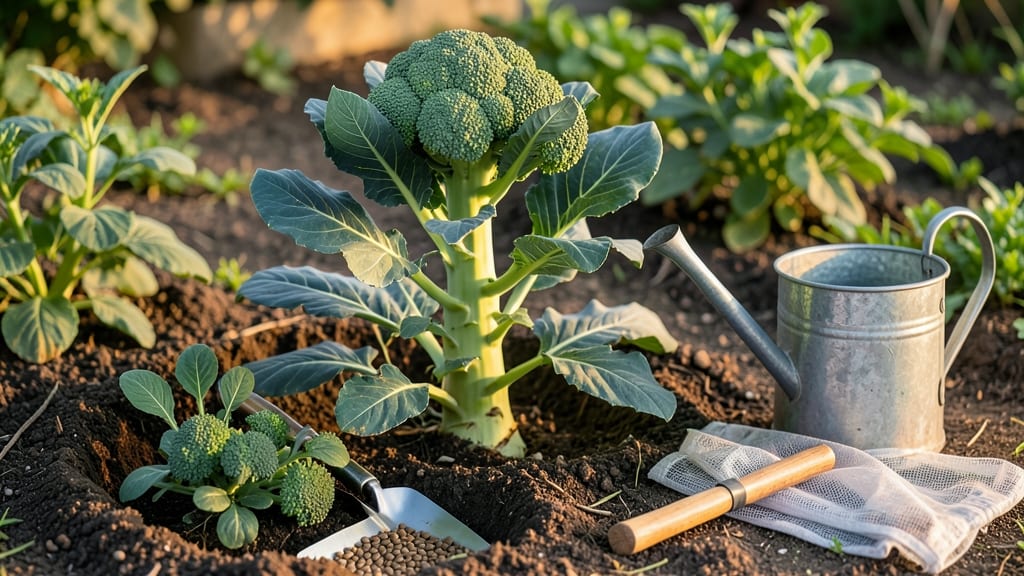
If you’ve ever watched your broccoli bolt into bitter flowers before you could even harvest it, you know when to plant broccoli in Zone 9b is everything in this relentless heat.
Here’s the secret: planting broccoli in October or November lets you beat the summer scorcher, giving your plants the cool weather they crave to grow strong and flavorful.
But even in this desert climate, a few extra steps—like shade cloth and smart soil prep—can mean the difference between a thriving garden and a sad, wilted disappointment.
I’ve tested the best planting windows and varieties for Zone 9b, so you don’t have to learn the hard way. Whether you’re a first-time gardener or a seasoned pro, these tips will help you avoid common mistakes and get the most out of your fall harvest.
Ready to grow broccoli that’s actually worth eating? Let’s dive into the exact timing, tricks, and tools you need to make it happen—without the stress.
Best planting windows for broccoli in Zone 9b (fall & winter)
Zone 9b’s warm winters and hot summers make broccoli planting a delicate balance. Unlike cooler climates, we can’t rely on spring planting—fall and winter are our only windows for success.
The key is timing seeds or transplants when daytime temps stay below 75°F and nights dip into the 50s. This prevents bolting (premature flowering) and ensures sweet, tender heads.
Broccoli thrives in cool-season conditions, but Zone 9b’s mild winters create unique opportunities. We can plant three distinct times: late summer for fall harvests, winter for spring crops, and even late winter for early spring yields.
Each window requires slightly different prep to account for soil warmth and daylight changes. Let’s break down the exact timing and what to watch for in each phase.
📅 Fall Planting (September-October) is the most reliable window. By late September, daytime highs typically drop below 85°F, giving seedlings time to establish before winter sets in. For transplants, aim for mid-September in coastal areas (like San Diego) and early October inland (like Phoenix). Direct-sown seeds need 60-70°F soil—wait until nights consistently stay above 55°F.
For fall plantings, I recommend starting with transplants rather than seeds. Seedlings take 45-60 days to mature, and direct-sown seeds in September can struggle with soil warmth and competing weeds.
If you’re growing from seed, begin indoors 6-8 weeks before your target transplant date (mid-September). Use cool-season fertilizer (5-10-10) when transplanting to give them a nutrient boost as they establish.
Zone 9b’s winter planting window (December-January) is often overlooked, but it’s perfect for a spring harvest. Plant transplants in December when daytime temps hover around 60°F. The shorter daylight hours slow growth, but the cool nights prevent bolting.
This method works best in coastal areas where winters are milder. Inland gardeners should use shade cloth (30-50%) if temps threaten to exceed 70°F.
My late-winter planting (February) is the riskiest but can yield early spring broccoli before summer heat arrives. Time this window carefully—plant after Valentine’s Day when nights stay below 60°F. Use heat-tolerant varieties like 'De Cicco' or 'Waltham 29' and keep plants well-watered to avoid stress.
If daytime temps climb above 75°F, provide afternoon shade with floating row covers.
One common mistake in Zone 9b is planting too late in fall (after October 20) or too early in spring (before February). Both scenarios risk heat stress or bolting. Always check your local microclimate—valleys heat up faster than coastal areas.
For example, Phoenix gardeners should plant 2 weeks earlier than those in San Diego due to inland heat retention.
To extend your harvest, practice succession planting every 2-3 weeks during fall. Start with transplants in mid-September, then follow up with another batch in early October. This staggered approach ensures a continuous supply from November through January. For winter plantings, a single batch in
How to prevent bolting in hot Zone 9b summers (critical tips)
Zone 9b's scorching summers can turn your broccoli plants into premature flowering factories—bolting ruins flavor and yield. The key is strategic timing and environmental control to keep plants cool and stressed-free. I’ve learned that even heat-tolerant varieties like 'De Cicco' need extra care when daytime temps hit 85°F+.
Start by choosing the right planting window—avoid spring heat waves entirely and focus on fall or winter transplants.
Soil moisture is your first line of defense against bolting. Broccoli roots need consistent dampness (never soggy) to stay cool. In my desert garden, I use drip irrigation on timers to deliver 1-1.5 inches of water weekly, always in the early morning. Mulching with 2-3 inches of straw helps retain moisture and insulates roots from temperature swings. Without this, plants bolt within 10-14 days of heat stress.
⚠️ callout-warning
Never plant broccoli in Zone 9b summers (May-Sept) unless using shade cloth (30-50%). Even then, expect 50%+ yield loss from premature flowering. For spring harvests, start seeds indoors in February and transplant late March when soil temps drop below 75°F. Heat-loving varieties like 'Calabrese' still struggle above 80°F—they’re better for cooler climates.
Variety selection makes a huge difference. 'De Cicco' and 'Waltham 29' handle heat slightly better than 'Calabrese', but all bolt faster in Zone 9b’s heat. I’ve had success with 'Belstar'—it matures in 50-60 days, giving it a fighting chance before summer peaks. For extra protection, I transplant seedlings into raised beds filled with 50% compost to improve moisture retention and root health.
When temps rise above 80°F, shade cloth becomes non-negotiable. A 30% shade cloth reduces leaf temperature by 10-15°F, delaying bolting by 2-3 weeks. I drape it loosely over hoop structures to allow airflow—tight fits cause fungal issues.
Pair this with afternoon shade (e.g., temporary shade sails) to keep plants from overheating. Without these steps, your broccoli will flower in 7-10 days instead of forming heads.
Transplanting techniques can buy you time. Move seedlings to the garden after sunset to avoid transplant shock from midday heat. I pre-water the soil and trim outer leaves to reduce stress. For container growing, use 5-gallon pots with fast-draining mix—smaller pots overheat. In my trials, container-grown broccoli bolted 14 days later than in-ground plants, thanks to better moisture control.
Finally, monitor plant signals like yellowing leaves or long, thin stems—these mean bolting is imminent. If you catch it early, harvest side shoots to redirect energy. But prevention is easier: stick to fall/winter plantings, keep roots cool, and choose fast-maturing varieties.
With these tactics, I’ve gone from zero summer harvests to multiple successful crops in Zone 9b’s brutal heat. 🌱