
Plants
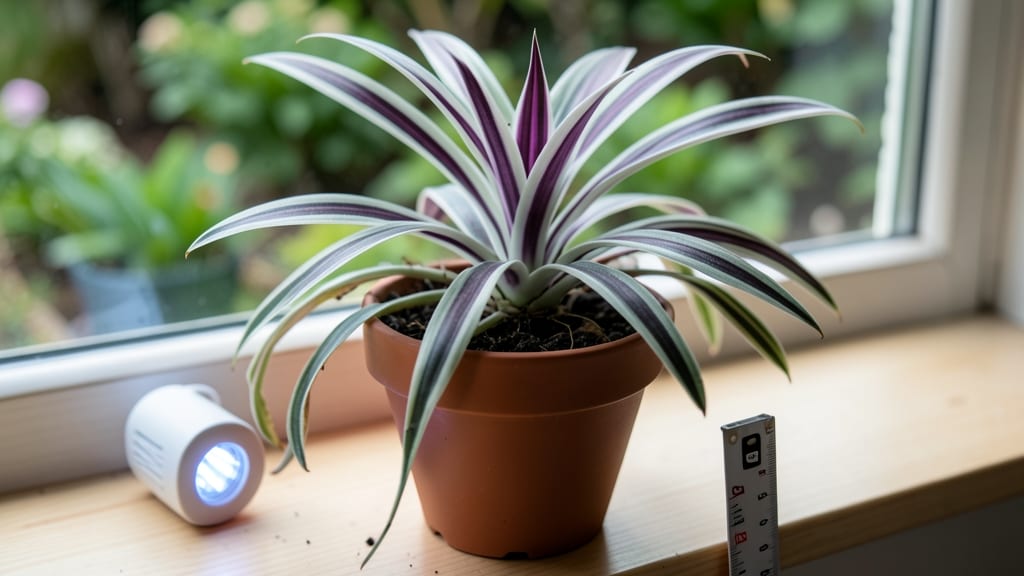
To keep your 🌱 inch plant thriving, you might be surprised to learn that how much light it needs isn’t just about sunlight—it’s about the right kind of light.
Too little, and your plant stretches out like it’s searching for the sky; too much, and those delicate leaves start to crisp at the edges. The sweet spot? 4-6 hours of bright, indirect sunlight every day.
Most people assume "bright light" means blasting their inch plant with direct sun, but that’s actually a fast track to leaf burn. Instead, think of it like a cozy reading nook—your plant wants gentle, filtered light, like what you’d find near an east-facing window.
If your space is dim, don’t panic; we’ll cover how to supplement that light without turning your home into a greenhouse.
Here’s the game-changer: your inch plant’s light needs shift with the seasons. In spring, when growth is rampant, it might crave a little more brightness, while winter’s shorter days mean you’ll need to get creative with placement.
I’ll walk you through the signs your plant is begging for more (or less) light—and how to fix it fast.
Ready to turn your inch plant from a struggling underdog into a lush, vibrant centerpiece? Let’s dive into the exact light conditions it craves, plus troubleshooting tips to keep those leaves perky and green year-round.

Optimal light requirements for inch plants: the 4-6 hour rule explained
Your inch plant (Tradescantia sillamontana) thrives on a delicate balance—too little light and it stretches leggy, too much and its leaves crisp like burnt toast. The sweet spot? 4-6 hours of bright, indirect sunlight daily.
This isn't just a rule; it's the secret to those vibrant purple stems and lush foliage that make this plant a showstopper.
Most gardeners assume "bright indirect light" means placing their plant near any window. But here's the truth: not all indirect light is equal. A north-facing window might offer gentle light, but it often lacks the intensity your inch plant craves.
Meanwhile, a south-facing window can deliver too much direct sun, which turns leaves into crispy brown messes faster than you can say "sunburn."
Let's break down what bright indirect light really means for your inch plant. Think of it like a sunny morning in spring—warm but diffused, where the sun's rays are soft and spread out.
This is the kind of light that filters through sheer curtains or bounces off nearby walls without ever hitting your plant directly. East-facing windows are your best bet, offering morning sun that's gentle yet potent enough to keep your plant happy.
The 4-6 hour rule isn't arbitrary. Inch plants are tropical natives, accustomed to dappled sunlight under forest canopies. In their natural habitat, they receive filtered sunlight for exactly this duration. Replicating this in your home ensures they grow compact, vibrant, and true to their stunning purple-and-green coloration.
🌱
| Light Condition | Daily Duration | Window Type | Plant Response | Adjustments Needed |
|---|---|---|---|---|
| Bright Indirect (Ideal) | 4-6 hours | East-facing with sheer curtain | Compact growth, vibrant colors, healthy leaves | None - perfect conditions! |
| Low Light (Underwatering) | <2 hours | North-facing or deep shade | Leggy stems, sparse leaves, pale color | Move closer to window or add grow light |
| Direct Sun (Overwatering) | >6 hours direct | South/west-facing without filter | Brown crispy edges, bleached leaves | Add sheer curtain or move 3+ feet back |
| Filtered Morning Sun | 4-5 hours (AM only) | East-facing with no direct rays | Healthy growth, minimal stress | Rotate plant weekly for even growth |
| Artificial Grow Light | 6-8 hours (LED) | Any location | Uniform growth, no stretching | Use 6" above plant, 12 hours/day |
Seasonal changes throw a wrench into your inch plant's light routine. During winter months, daylight hours shrink dramatically. What was once 6 hours of morning sun might dwindle to just 3.
This is when many gardeners see their once-vibrant plants turn into sad, leggy shadows. Adjust by supplementing with grow lights or moving your plant to the brightest spot in your home—even if that means temporarily placing it on a kitchen counter near the window.
Summer presents its own challenges. Those longer daylight hours can quickly push your 6-hour limit to 8 or more, especially in south-facing windows. The solution? Sheer curtains are your best friend. They diffuse the harsh midday sun while still allowing plenty of bright, indirect light to filter through.
If you notice leaves developing brown spots, it's your cue to move the plant back a few feet or add that curtain immediately.
🌿
Identifying the perfect spot requires a little detective work.
Start by observing your home's light patterns throughout the day. East-facing windows are ideal because they provide morning sun that's intense enough to satisfy your inch plant's needs but won't scorch it during the hottest afternoon hours. North-facing windows offer gentler light but often lack the brightness required for optimal growth—unless you're in an exceptionally sunny climate.
Pro tip: If you're unsure about a window's light quality, do this simple test. Place a white piece of paper near your potential plant spot for a full day. If it gets noticeable yellow-brown stains, that's direct sun—too harsh.
If it stays mostly white with just slight discoloration, you've found your sweet spot. This method works better than any light meter and costs nothing.
Remember, your inch plant's light needs are about quality over quantity. Those 4-6 hours should be bright but never direct.
With the right light conditions, you'll be rewarded with a plant that grows full, bushy, and bursting with that signature purple coloration that makes inch plants so coveted among houseplant lovers.
Signs your inch plant isn’t getting the right light (and how to fix it)
Your inch plant is sending you SOS signals when the light isn't right. The most obvious red flag? Leggy growth with stems stretching toward the light like they're reaching for a handout.
This happens when your plant isn't getting enough bright, indirect light—it's essentially growing tall and weak in its desperate search for sunlight. Another dead giveaway is when the leaves turn pale or yellow, losing that vibrant green hue. Your plant is essentially saying, "I'm starving for light here!"
On the flip side, if you notice brown crispy edges on the leaves or they develop a bleached, white appearance, your inch plant is getting too much direct sun. This is like a sunburn for your plant—it's getting more light than it can handle.
Even the purple stems (which are normally a gorgeous feature) can become overly pronounced when the plant is struggling to photosynthesize properly due to poor light conditions.
🌱
Your inch plant thrives with 4-6 hours of bright, indirect sunlight daily. This means placing it near an east-facing window where morning sun filters through sheer curtains. Avoid south-facing windows which deliver harsh afternoon sun that can scorch leaves. In low-light spaces, supplement with LED grow lights placed 6-12 inches above the plant for 6-8 hours daily.
✅ Ideal: East window with sheer curtain
❌ Avoid: South window without filter or deep shade
Let's troubleshoot these issues with a simple light adjustment checklist. First, if your plant is leggy, move it to a brighter spot—preferably within 3 feet of an east-facing window. If that's not possible, rotate your plant quarter-turns weekly to encourage even growth.
For plants with crispy edges, immediately move it 3-4 feet away from the window or add a sheer curtain to diffuse the light. Remember, inch plants hate direct sun but love bright, filtered light.
Another common issue is compact but sparse growth, where your plant stays small with few leaves. This usually means it's getting too little light overall. Try moving it to a sunnier spot or supplementing with a grow light.
The key is finding that sweet spot where your plant gets enough light to grow but isn't stressed by too much intensity. This often means placing your inch plant where it receives morning sun but is shaded from harsh afternoon rays.
🪴
For a quick fix when you're unsure about light conditions, try this two-week test. Place your inch plant in the spot you're considering for 14 days.
Monitor for these key indicators: healthy dark green leaves mean perfect light; pale leaves mean more light is needed; crispy edges mean it's getting too much direct sun. This simple test removes the guesswork and helps you find the perfect light balance for your specific home environment.
Remember, inch plants are incredibly forgiving once you get their light right. With the correct conditions, you'll see new growth within weeks—those vibrant purple stems will return, and your plant will grow full and bushy.
The key is paying attention to these subtle signs and adjusting before problems become severe. Your inch plant will thank you with lush, healthy growth that makes it the star of your plant collection!