
How To
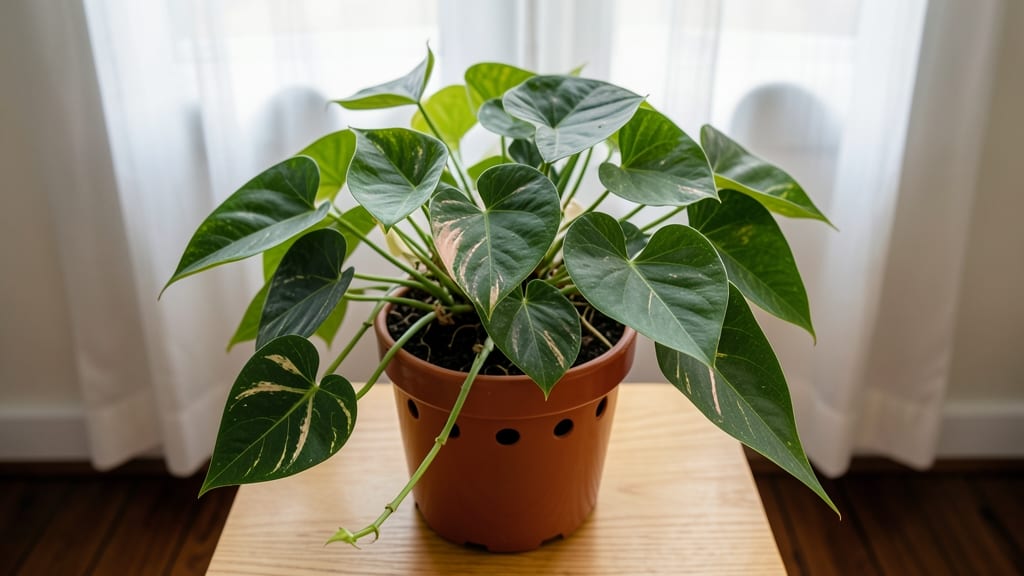
If your Arrowhead Plant 🌿 is sporting pale leaves or stretching toward the window like it’s searching for a sunbeam, you’re not alone—most beginners misjudge how much light these tropical beauties truly need.
The secret to lush, vibrant growth lies in bright indirect sunlight, not harsh midday rays or shadowy corners, and getting it right can transform your plant from lackluster to showstopping.
Arrowhead Plants thrive in conditions that mimic their natural understory habitat, where dappled light filters through canopy leaves. Too little light, and you’ll end up with leggy stems and faded variegation; too much, and those gorgeous leaves will crisp at the edges like overcooked pasta.
The good news? With just 4-6 hours of filtered light daily, you can keep your plant happy year-round—indoors or out.
I’ve helped countless plant parents rescue their Arrowhead Plants by tweaking their light setup, and the results speak for themselves: fuller fronds, richer colors, and growth that makes your neighbors jealous.
Whether you’re dealing with a dim apartment or a sun-drenched conservatory, I’ll show you exactly where to place your plant—and how to spot the subtle signs when it’s begging for more (or less) light.
Ready to unlock that perfect balance? Let’s dive into the game-changer lighting tips that’ll have your Arrowhead Plant thriving in no time, no guesswork required.

Optimal light requirements for Arrowhead plants: bright indirect sunlight explained
Your arrowhead plant (Syngonium podophyllum) thrives on bright indirect sunlight—the sweet spot between too little light and harsh rays. This tropical beauty needs about 4-6 hours of filtered light daily to maintain its signature arrow-shaped leaves and vibrant variegation.
Too little light slows growth, while direct sun scorches delicate foliage.
Think of it like a morning coffee ritual: gentle, warm light without the harsh midday glare. East-facing windows provide perfect morning sun exposure, while north-facing windows offer consistent indirect light. South or west windows may require sheer curtains or diffusers to mimic this ideal environment.
| Light Requirement | Specification | Seasonal Adjustments |
|---|---|---|
| Daily Light Hours | 4-6 hours | Summer: Reduce to 4 hours if intense |
| Light Type | Bright indirect | Winter: Increase to 6 hours if natural light drops |
| Direct Sun Tolerance | Morning only (max 2 hours) | Fall: Gradually reduce exposure |
| Ideal Window Placement | 2-3 feet from east/north window | Spring: Transition slowly to brighter spots |
The key to arrowhead plant care lies in understanding how light intensity changes with seasons. During summer months, when sunlight is most intense, your plant may need to be moved further from windows or behind a sheer curtain.
In winter, when daylight is shorter, supplement with a grow light for 2-3 hours daily to maintain its light requirements.
Direct sunlight—especially afternoon rays—can cause leaf burn, visible as crispy brown edges. If you notice these sun damage signs, immediately move your plant to a shadier spot. The variegated varieties are particularly sensitive, as their white leaf sections lack chlorophyll to protect them from harsh light.
For new growth, aim to place juvenile arrowhead plants slightly closer to the light source than mature specimens. Young plants need more bright indirect light to develop sturdy stems and vibrant foliage.
As they mature, you can gradually move them 1-2 feet further away from the window to prevent over-exposure.
If your plant starts showing leggy growth or pale leaves, it’s craving more light. Rotate the pot quarter-turn weekly to ensure even exposure. For low-light conditions, choose a north-facing window or use a LED grow bulb (6000K color temperature) to mimic natural light without the heat.
Pro tip: Test your plant’s light tolerance by observing its leaf color. Deep green with rich variegation means perfect lighting. Faded green or stretched stems signal it needs more light, while brown patches mean too much direct sun. Adjust gradually—abrupt changes can shock your arrowhead plant.
Remember, arrowhead plants are adaptable but prefer consistency. If you’re using artificial lighting, keep it on a 12-14 hour photoperiod to simulate natural daylight cycles. This mimics their tropical origins and encourages healthy foliage production year-round.
With the right light balance, your arrowhead plant will reward you with lush, arrow-shaped leaves and vigorous growth. Start by placing it near an east-facing window, then fine-tune based on its response. Soon, you’ll have a thriving plant that’s the star of your indoor garden! 🌿
Signs your Arrowhead plant isn’t getting enough (or too much) light
Your Arrowhead Plant 🌿 might be silently screaming for help if its leaves are turning yellow or stretching unnaturally toward the window. These are classic signs of light deprivation, where your plant is desperate for more bright indirect sunlight to fuel its growth.
Without enough light, chlorophyll production drops, leading to pale, weak foliage that lacks the vibrant hues you love.
On the flip side, if the edges of your Arrowhead’s leaves are crispy or browned, it’s a red flag that direct sunlight is scorching its delicate tissue. Unlike sun-loving succulents, Arrowheads can’t handle intense midday rays—especially the harsh afternoon sun that streams through south-facing windows.
The key is finding that sweet spot of filtered light, where your plant gets enough energy without risking damage.
Too Little Light
Too Much Light
Stems stretch excessively toward light sources.
White or pink patterns fade to green.
New leaves emerge infrequently or stay small.
Leaf margins turn brown and dry.
White or yellow patches appear on leaves.
Leaves droop despite proper watering.
If you’ve spotted any of these signs, don’t panic—your Arrowhead Plant is highly adaptable once you adjust its light conditions. Start by rotating the pot quarter-turns weekly to ensure even growth, and avoid placing it near drafty windows where cold air can stress the leaves.
For low-light rooms, a simple LED grow light (just 6-8 inches above the plant) can work wonders without breaking the bank.
For overlighted Arrowheads, the solution is equally straightforward: shift the plant 3-4 feet back from the window or add a light-filtering screen. I’ve seen dramatic turnarounds in just days after making these adjustments—watch as those crispy edges soften and new growth emerges with rich, vibrant colors.
The secret is patience and observation; your plant will thank you with lush, healthy foliage.
Pro tip: Test your light setup by placing your hand near the plant. If you can’t comfortably read a book in the same spot, the light is likely too dim.
Conversely, if your skin feels warm after a few minutes, the light is too intense. This simple trick saves hours of trial and error!
Remember, Arrowhead Plants are tropical understory dwellers, so they thrive in conditions that mimic dappled forest light. With the right balance, your plant will reward you with arrowhead-shaped leaves that are the envy of every plant lover’s collection. 🌱