
How To
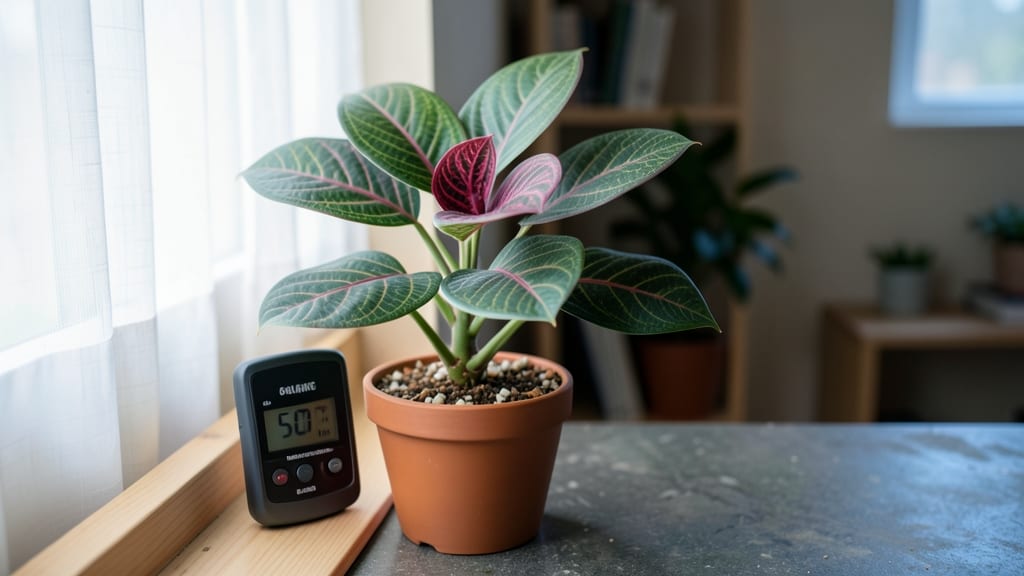
To keep your prayer plant 🌿 thriving, how much light does this plant need is the game-changer—too little and it wilts dramatically, too much and it burns.
This delicate houseplant, known for its signature folded-night, open-day rhythm, actually craves bright but indirect sunlight, much like the dappled forest floor of its native habitat.
Most beginners struggle with this balance because prayer plants are famously finicky about light exposure. The key is mimicking natural conditions: place it near an east-facing window where it gets morning sun without harsh afternoon rays.
If your home only has south-facing windows, position it 3-4 feet away to prevent leaf scorch.
You'll know you've got it right when those striking leaves stay vibrant and upright during the day. But watch for signs of stress—pale or yellowing leaves mean it needs more light, while crispy brown edges signal it's getting too much.
Variegated varieties, with their stunning white or pink patterns, actually need even more careful light management than solid-leaf types.
Let me show you exactly how to create the perfect light environment for your prayer plant, whether you're dealing with a dim corner or a sunroom. With just a few simple adjustments, you can transform that struggling plant into a lush, thriving centerpiece that lives up to its name.

Ideal light requirements for prayer plant growth and health
Your prayer plant (Maranta leuconeura) thrives in bright indirect light, mimicking its natural understory habitat. Too little light causes leggy growth and pale leaves, while too much triggers sunburn and crispy edges. The key is finding that sweet spot where photosynthesis works efficiently without stressing the plant.
Think of it like Goldilocks—not too dark, not too harsh, but just right. This tropical beauty evolved to filter dappled sunlight through forest canopies, so recreating those conditions at home is crucial for keeping its signature foliage patterns vibrant and its growth robust.
Here’s the science: Prayer plants perform photosynthesis most efficiently under moderate light intensity (around 1,000–2,000 foot-candles). Their leaves contain chloroplasts that convert light into energy, but direct sun can overwhelm them, leading to oxidative stress. The goal is to keep light levels consistent while avoiding harsh midday rays.
Summary-Table for Prayer Plant Light Needs:
| Requirement | Specification | Signs of Stress |
|---|---|---|
| Light Type | Bright indirect light | Pale, weak leaves |
| Intensity | 1,000–2,000 foot-candles | Brown crispy edges |
| Duration | 4–6 hours daily | Slow, leggy growth |
| Best Placement | East or west window, 2–3 feet away | Yellowing leaves |
| Seasonal Adjustment | Reduce light in summer; supplement in winter | Stunted growth |
For variegated varieties like 'Massangeana', light needs are slightly higher to maintain their striking white patterns. These plants require 10–20% more light than solid-leaf types to prevent the green areas from dominating.
If you notice the white sections turning green, it’s a clear sign your plant is craving more brightness.
Seasonal shifts matter too. In summer, when sunlight is intense, move your prayer plant further from windows or use a sheer curtain to diffuse harsh rays. In winter, when natural light dims, consider adding a grow light for 6–8 hours daily to prevent etiolation (stretched, weak stems).
Watch for these red flags indicating light issues: Yellowing leaves often signal overwatering combined with low light, while crispy brown edges scream sunburn. If your plant’s leaves are folded closed all day (not just at night), it’s likely stressed from too much light.
Adjust its position immediately to avoid permanent damage.
Pro tip: Rotate your prayer plant quarter-turns every 2–3 weeks to ensure even growth. Plants naturally lean toward light sources, so this simple habit keeps them compact and symmetrical. Pair this with regular misting (they love humidity!) to mimic their tropical roots.
Remember, the prayer plant’s famous folding leaves at night aren’t just charming—they’re a survival mechanism to conserve moisture. By giving it the right light, you’re not just keeping it alive; you’re helping it thrive in its signature way. 🌿
How to adjust light conditions for different prayer plant varieties
Not all prayer plants are created equal when it comes to light needs. The Maranta leuconeura family includes stunning varieties like 'Kerchoveana' with its bold dark leaves and 'Massangeana' showcasing dramatic variegation. While they all prefer bright indirect light, their tolerance levels differ.
Variegated types like 'Massangeana' actually need slightly more light to maintain their striking patterns, while solid-leaf varieties can handle slightly lower light conditions.
For low-light spaces, consider these creative solutions: place your plant near a north-facing window or use a grow light for 12-14 hours daily. LED grow lights with a 5000K-6500K color temperature work best for mimicking natural daylight.
Remember to keep the light source 6-12 inches above the plant to prevent leaf burn.
Here's how the most popular prayer plant varieties compare in their light requirements:
| Variety | Light Needs | Best Placement | Signs of Stress | Special Notes |
|---|---|---|---|---|
| Maranta 'Kerchoveana' | Bright indirect, 1000-2000 foot-candles | East/west window, 3-4 feet away | Pale leaves (underlight), crispy edges (overlight) | Most forgiving variety for beginners |
| Maranta 'Massangeana' | Bright indirect to moderate light, 2000-3000 foot-candles | South window with sheer curtain, 2 feet away | Variegation loss (underlight), bleached spots (overlight) | Needs more light to maintain patterns |
| Maranta 'Fascinator' | Bright indirect, 1500-2500 foot-candles | East window or grow light setup | Leggy growth (underlight), yellow tips (overlight) | Compact growth habit |
| Maranta 'Erythroneura' | Low to bright indirect, 1000-2000 foot-candles | North window or artificial light | Dull leaves (underlight), brown patches (overlight) | Most shade-tolerant variety |
If you notice your prayer plant developing leggy growth with sparse leaves, it's a clear sign of underlighting. To fix this, move your plant to a brighter location or supplement with a grow light.
For variegated varieties, watch closely for color fading—their patterns rely on adequate light to produce chlorophyll. Rotate your plant quarter-turn weekly to ensure even growth and prevent it from leaning toward the light source.
In summer months, when sunlight is most intense, watch for signs of overlighting like crispy brown edges or sunburned spots. Move your plant further from windows or use a light-filtering sheer curtain to diffuse harsh rays.
During winter, when natural light decreases, consider adding a full-spectrum LED bulb near your plant's favorite spot to maintain its health.
For office spaces with fluorescent lighting, prayer plants can thrive under cool white bulbs (4000K-4500K) placed 12-18 inches away. Just remember that fluorescent lighting alone won't provide enough intensity for variegated types—supplement with a grow light for optimal results.
With these adjustments, you'll create the perfect light environment for your specific prayer plant variety to flourish.