
Plants
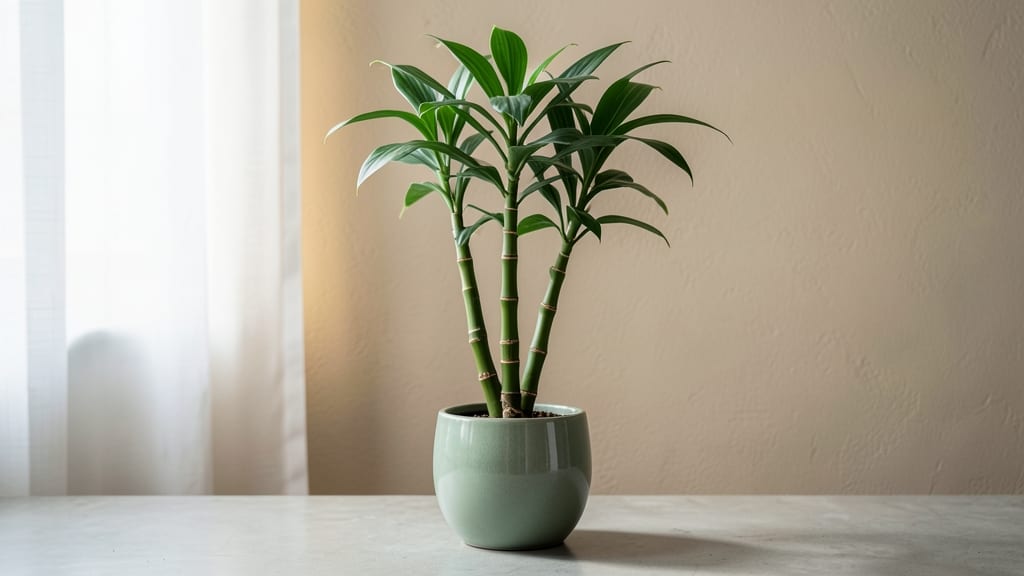
If you’ve ever wondered just how tall a bamboo plant 🌿 can grow, the answer might surprise you—some varieties shoot up like skyscrapers, reaching heights that put even the tallest trees to shame.
Whether you're dreaming of a lush privacy screen or a dramatic garden statement, understanding bamboo’s growth potential is the first step to harnessing its power.
Bamboo isn’t just one plant—it’s a family of fast-growing grasses with wildly different heights. Dwarf varieties stay humble at just 3 to 8 feet, while aggressive runners like Phyllostachys bambusoides can tower over 100 feet in ideal conditions.
The key? Species, climate, and a little elbow grease (or barriers) make all the difference.
What makes bamboo grow so fast? Some varieties add 1 to 3 feet per month during peak season, turning a small clump into a forest in just a few years. But don’t let that scare you—with the right containment strategies, you can keep even the tallest bamboo in check.
Let’s break down how to choose the perfect variety for your space and control its skyward ambitions.
Ready to transform your yard with bamboo’s dramatic height? I’ll walk you through the fastest-growing species, how to manage their growth, and whether a 30-foot giant is right for your backyard. Spoiler: yes, you can have a jungle—without losing your mind (or your property lines).


Bamboo growth heights by species: from ground covers to skyscraping giants
If you're planning your garden layout, choosing bamboo isn't just about aesthetics—it's about understanding its vertical potential. Some varieties stay humble as ground covers, while others shoot skyward like 100-foot skyscrapers.
The difference? Species selection and growth habits. Let me break down the spectrum from tiny to towering so you can pick the perfect fit for your space.
Bamboo falls into two main growth categories: running (aggressive spreaders) and clumping (contained mounds). Running types often reach maximum heights faster due to their expansive root systems, while clumping varieties grow taller but stay put.
For example, Bambusa multiplex (a clumper) might top out at 20 feet, while Phyllostachys aureosulcata (a runner) can hit 50 feet in ideal conditions.
Here’s where things get exciting: dwarf varieties like Bambusa ventricosa stay under 3 feet, perfect for container gardens or edging. On the opposite end, giant bamboo species such as Dendrocalamus asper can exceed 100 feet—taller than a 10-story building!
Your climate and soil play huge roles too; tropical regions push growth limits, while cooler zones may cap heights at half their potential.
Key factors influencing height include: - Species genetics (some are hardwired for height) - Sunlight exposure (full sun fuels faster growth) - Water availability (consistent moisture = taller stems) - Soil fertility (nutrient-rich soil accelerates vertical growth)
Now, let’s dive into the height spectrum with a side-by-side comparison of popular bamboo types. This table will help you visualize which varieties fit your garden’s scale—whether you want a privacy hedge, a focal point, or a low-maintenance border.
Notice how running bamboo dominates the taller categories? That’s because their rhizomes spread aggressively, accessing more nutrients and water to fuel rapid vertical growth. Clumping types, however, are your best bet for controlled height—ideal if you’re in a HOA or small yard.
For instance, Fargesia species stay under 8 feet but thrive in shady, woodland settings.
Pro tip: If you love the look of tall bamboo but need to
How fast bamboo grows: monthly growth rates and sky-high limits
If you’ve ever planted bamboo, you know it doesn’t just grow—it explodes upward like a jungle in fast-forward. Some varieties can shoot up 1–3 feet per month during peak growing seasons, turning a tiny clump into a towering screen in just a few years.
But how high can bamboo really go, and what makes it grow so fast? The answer depends on the species, your climate, and even your soil quality.
Bamboo’s rapid growth is one of its most impressive traits, but it’s also what makes it both a gardener’s dream and a potential nightmare. Aggressive runners like Phyllostachys aureosulcata can reach 60–80 feet tall in ideal conditions, while dwarf varieties like Bambusa multiplex stay under 6 feet.
Understanding these growth rates helps you plan your garden layout, choose the right species, and manage expectations before planting.
Here’s what you need to know about bamboo’s growth speed and how to maximize—or contain—its sky-high potential:
- 1. Monthly Growth Rate: Aggressive bamboo can grow 1–3 feet per month in spring and summer, with some tropical species reaching 6+ feet per year. Dwarf varieties grow just 6–12 inches annually.
- 2. Mature Height Limits: Giant bamboo like Phyllostachys bambusoides can exceed 100 feet tall, while standard varieties hit 20–60 feet. Dwarf types max out at 3–8 feet.
- 3. Sunlight Impact: Full sun (6+ hours daily) fuels rapid growth, while shade slows it by 30–50%. Southern exposures in the U.S. (Zones 7–10) are ideal for maximizing height.
- 4. Soil Quality: Rich, well-draining soil with organic matter boosts growth by 20–40%. Sandy or clay-heavy soils stunt height potential, while compost-amended beds accelerate it.
- 5. Climate Zones: Tropical bamboo thrives in Zones 8–11, reaching full height faster. Cold-hardy varieties (Zones 5–7) grow slower but still hit 30–50 feet with proper care.
- 6. Watering Needs: Deep watering 2–3 times per week in dry climates doubles growth rates. Drought stress can reduce height gains by 50% or more.
For example, if you plant a Phyllostachys nigra (black bamboo) in Zone 7 with full sun and regular water, it could reach 40 feet in just 5 years.
But in partial shade or poor soil, the same plant might only hit 20 feet. This variability is why choosing the right species for your space—and conditions—is critical.
One common misconception is that all bamboo grows at the same rate. Running bamboo spreads aggressively via underground rhizomes, while clumping bamboo grows in tight clusters. The former can create dense thickets, but the latter stays more contained.
If you’re aiming for height, running types like Bambusa vulgaris are your best bet—but they require root barriers to prevent takeover.
To harness bamboo’s growth potential without losing control, focus on sunlight, soil, and water. A south-facing bed with compost-rich soil and consistent moisture will yield the fastest, tallest results. Just remember: what grows fast can also spread fast, so plan accordingly! 🌿