
How To
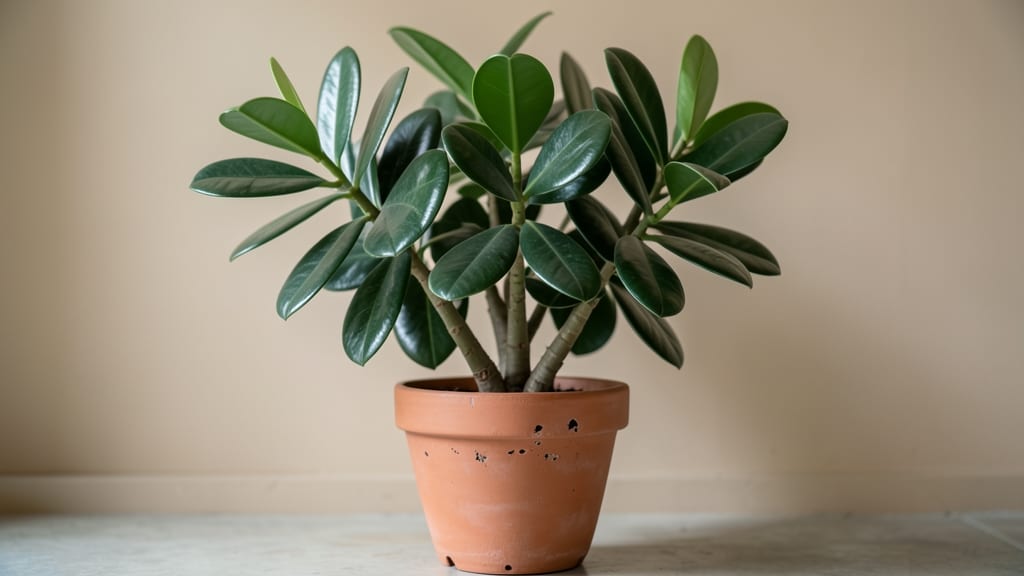
If you’ve ever wondered how tall your ZZ Plant 🌱 could grow, the answer might surprise you—it’s not just about time, but where you place it.
These hardy houseplants can reach anywhere from 1 to 4 feet, depending on light conditions, and the difference between a compact bush and a towering stalwart comes down to a few key care choices.
Most ZZ Plants stay between 2 and 3 feet indoors when given bright, indirect light, but they can stretch taller—even up to 4 feet—if they’re craving more sunlight.
The trade-off? More light often means faster growth and larger leaves, but it also requires a little more attention to keep them thriving.
What’s most important is understanding how light, water, and even your pot size influence their height.
Whether you’re aiming for a compact desk companion or a statement plant, I’ll break down exactly how to control their growth—and why some gardeners swear by pruning to keep their ZZ Plants at the perfect height.
Ready to learn how to discover the ideal size for your space? Let’s dive into the factors that turn a 1-foot starter into a lush, eye-catching centerpiece—or keep it small and manageable with just a few tweaks.


ZZ plant height by light conditions: indoor growth limits explained
Your ZZ Plant 🌱 is a master of adaptability, but its height hinges almost entirely on one factor: light exposure. In low light, these plants stay compact—often between 1 and 2 feet—while bright indirect light can push them toward 3 to 4 feet.
The difference isn’t just about size, though; it’s also about growth speed and leaf development. Let’s break down how to predict—and control—your plant’s height based on its lighting environment.
First, it’s critical to understand that ZZ Plants are slow growers by nature. Even in ideal conditions, you won’t see dramatic changes overnight. However, the right light can accelerate growth by up to 30% compared to dimmer settings.
This means a plant in a north-facing window might reach 2 feet in 2 years, while one basking in a south-facing room with filtered light could hit 3 feet in the same time.
Here’s the key takeaway: Light intensity directly correlates with height. More light = taller growth, but also larger leaves and a bushier appearance. The trade-off? Higher light levels demand slightly more frequent watering and occasional pruning to maintain shape.
Let’s explore the exact height ranges you can expect under different light conditions.
If your ZZ Plant is currently in low light, don’t expect rapid growth. These plants are famously resilient and will survive with minimal light, but they’ll stay on the shorter side. The 1–2 foot range is typical here, with leaves that stay small and tightly packed.
This setup is perfect for small spaces or if you prefer a low-maintenance plant that won’t outgrow its container quickly.
Moving to medium light is where most ZZ Plants thrive indoors. This is the sweet spot for balanced growth, with heights typically landing between 2 and 3 feet. You’ll notice leaves growing larger and stems elongating slightly faster.
This is also when you might start seeing new shoots emerging from the base, which can create a fuller, bushier appearance if left unpruned.
For those aiming for a statement plant, bright indirect light is the way to go. Here, ZZ Plants can reach 3 to 4 feet, with leaves that are noticeably larger and a more dramatic vertical presence.
However, this rapid growth requires attention to care. You’ll need to water more frequently—about every 1–2 weeks—and consider pruning to maintain shape, as the plant may become leggy without guidance.
One common misconception is that ZZ Plants will grow infinitely if given enough light. While they can keep growing taller, their height is also influenced by pot size and root constraints.
A plant in a small pot may max out at 2 feet even with ample light, while one in a large container can continue climbing toward 4 feet. This is why repotting every 2–3 years can encourage taller growth if that’s your goal.
Pro tip: If you’re concerned about your ZZ Plant stretching too tall, rotate it quarter-turns every 2–3 weeks. This ensures even growth and prevents the plant from leaning toward the light source, which can make it look lopsided or leggy.
Even a small adjustment like this can keep your plant compact and visually balanced while still benefiting from optimal light exposure.
Remember, the health of your ZZ Plant is just as important as its height. A plant that’s overwatered or root-bound may grow taller but will be weak and prone to pests. Always prioritize well-draining soil and a pot with drainage holes to avoid these issues.
With the right balance of light, water, and care, you can steer your ZZ Plant toward the perfect height for your space—whether that’s a compact desk companion or a floor-filling centerpiece.
How to control ZZ plant height: pruning and care tips
If your ZZ Plant is stretching toward the ceiling like it’s reaching for the sky, don’t panic—it’s not growing out of control. With the right pruning techniques and care adjustments, you can easily manage its height while keeping it lush and healthy.
The key is understanding how light exposure, repotting frequency, and pruning timing work together to shape your plant’s growth.
ZZ Plants are known for their slow, steady growth, but when they get too much light or outgrow their pots, they can shoot up faster than expected. The good news? You can trim them back anytime without harming the plant.
Whether you want a compact desk-sized ZZ or a taller statement piece, these steps will help you take control of its height effortlessly.
Step-by-Step Guide to Pruning and Care
-
Step 1: Assess your ZZ Plant’s light
Move it to bright indirect light to slow vertical growth. If it’s in low light, expect taller, leggier stems.
-
Step 2: Prune leggy stems
Use sterile scissors to cut stems just above a leaf node. This encourages bushier growth and shorter height.
-
Step 3: Repot when roots are crowded
Choose a pot only 1-2 inches larger than the current one to limit rapid growth. Use well-draining soil.
-
Step 4: Water sparingly
Let soil dry completely between waterings to prevent overgrowth. Overwatering can stress the plant and lead to taller, weaker stems.
-
Step 5: Fertilize lightly in spring
Use a balanced fertilizer (10-10-10) once in early spring to support controlled growth without encouraging rapid height spikes.
One of the biggest mistakes I see is over-potting ZZ Plants. If you give it too much space, the roots will spread quickly, and the plant will focus on filling that extra room—often by growing taller.
Stick to smaller pots and upgrade gradually to keep your ZZ Plant at your desired height.
For a bushier look, prune the top growth in early spring. This encourages new shoots to grow from the base, creating a fuller plant. Just be sure to use clean tools to avoid introducing bacteria or fungus to the cuts.
A little rubbing alcohol on your scissors before pruning goes a long way!
Remember, ZZ Plants are low-maintenance and forgiving. Even if you skip a pruning session or two, they’ll bounce back. The key is consistency—adjusting light, repotting when needed, and trimming as necessary will keep your plant at the perfect height for your space.
With these tips, you’ll have a ZZ Plant that’s just the right size for your home decor! 🌿