
Plants
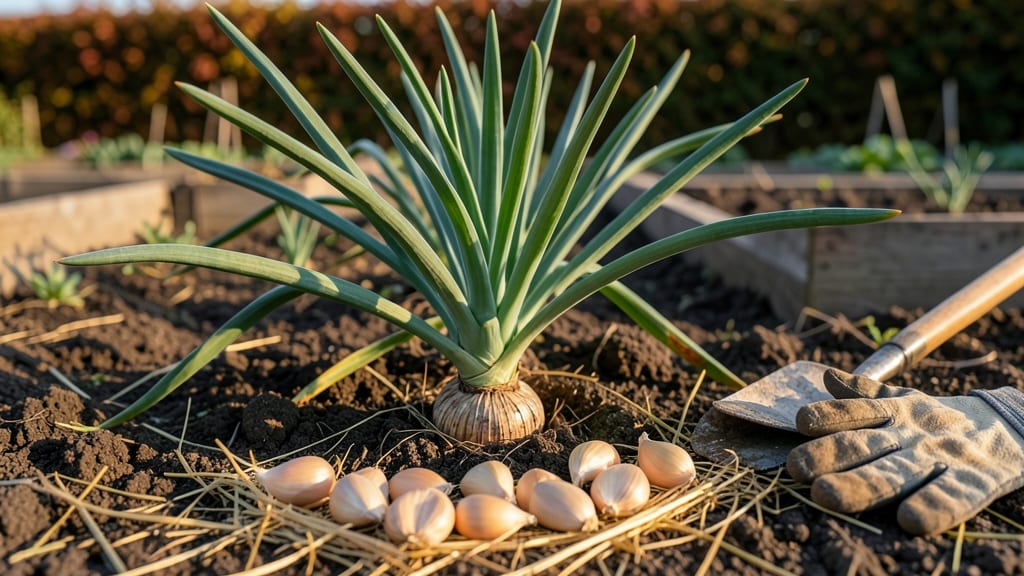
Timing your garlic planting in Virginia could mean the difference between a bountiful harvest of plump cloves or struggling bulbs that barely make it through winter.
Unlike many crops, garlic thrives when planted in the cool shoulder seasons—fall or early spring—when soil temperatures dip into that sweet spot of 40-50°F.
In Virginia’s 7a-8a zones, the ideal window stretches from October to November, giving roots time to establish before the ground freezes. But here’s the catch: planting too early can trigger premature sprouting, while waiting too long risks shallow roots that struggle to survive winter’s chill.
The key lies in understanding your soil’s hidden temperature cues.
I’ve learned that even a 5°F difference in soil temp can drastically affect root growth, and Virginia’s microclimates—from the Piedmont’s mild winters to the Mountains’ earlier frosts—demand extra attention.
Whether you’re a seasoned gardener or just starting with 🧄 cloves, mastering this timing ensures your garlic develops the strong, flavorful bulbs you’re after.
Ready to unlock the secrets? Let’s dive into exactly when (and how) to plant for maximum success—plus how to avoid the costly mistakes that derail even the most eager gardeners.
Optimal Virginia garlic planting dates based on soil temperature
Getting the timing right for garlic planting in Virginia means understanding how soil temperature triggers root growth. Unlike many vegetables, garlic thrives when planted in fall or early spring, but the key is waiting until soil temps drop to 40-50°F.
This cold exposure jumpstarts root development before winter dormancy.
Virginia’s USDA zones 7a-8a create microclimates where fall planting (October-November) is ideal for most regions. However, coastal areas may need to plant slightly earlier (September-October) due to milder winters, while mountain regions can extend planting into December. The goal? Plant 4-6 weeks before hard frost.
Why soil temperature matters: Garlic roots establish best when soil is cool but not frozen. At 40°F, roots grow actively, while 50°F is the upper limit before cloves sprout too early. Spring planting (March) is riskier unless you’re in warmer zone 8a, where soil warms quickly.
| Planting Window | Soil Temp Threshold | Virginia Regions | Key Action |
|---|---|---|---|
| Fall (Primary) | 40–50°F | Piedmont/Coastal: Oct 1–Nov 15 Mountains: Oct 15–Dec 1 |
Plant 2" deep, 4-6" apart |
| Spring (Secondary) | 45–55°F | Zone 8a only (March 1–15) | Use hardneck varieties only |
| Avoid | Below 32°F or above 60°F | All regions | Roots won’t establish; cloves rot |
| Harvest Ready | N/A (Late June–July) | All regions | Lower leaves brown/crispy |
For fall planting, aim to finish by mid-November in Piedmont and early December in mountains. This ensures roots grow before winter but don’t sprout too early.
Use a soil thermometer to confirm temps—40°F at 4" depth is your sweet spot. Pro tip: Hardneck varieties (like ‘Music’ or ‘German Red’) handle Virginia’s winters best.
Spring planting is only viable in zone 8a (southeastern VA) and requires hardneck garlic. Plant in early March when soil reaches 45°F, but expect smaller bulbs compared to fall-planted garlic. Softneck varieties (like ‘Artichoke’) struggle in Virginia’s winters and should never be planted in spring.
Mulch heavily after planting with 4–6 inches of straw to insulate soil and prevent temperature swings. This keeps roots growing steadily through winter. In warmer microclimates (like Norfolk), reduce mulch to avoid rotting cloves if soil stays too warm.
Missed the fall window? Don’t panic—spring planting still works if you’re in zone 8a. Just plant hardneck varieties in March and accept that bulbs may be 20–30% smaller. For Piedmont and mountain gardeners, fall planting is non-negotiable for large, flavorful bulbs.
One common mistake? Planting too early when soil is still warm. This causes cloves to sprout prematurely, leading to weak roots. Always wait until soil temps consistently stay below 50°F for at least 3 days before planting.
Remember: Garlic is a cool-season crop, and Virginia’s frost dates (mid-November to mid-April) are your friends. The cold period helps develop stronger bulbs. With the right soil temperature timing, you’ll harvest plump, flavorful garlic by July—just in time for summer cooking! 🧄
How to test soil temperature for perfect garlic planting timing
Testing soil temperature is the secret weapon for Virginia garlic growers. Unlike air temperature—which can be misleading—soil temp directly tells you when your 🧄 cloves are ready to plant.
In my USDA Zone 7b garden, I’ve seen garlic roots stall or rot simply because the soil was too warm or too cold. The ideal range for planting is 40-50°F, but hitting that window requires precision, especially across Virginia’s diverse regions.
Virginia’s microclimates—from the Coastal Plain’s milder winters to the Mountains’ earlier frosts—mean you can’t rely on a one-size-fits-all calendar.
For example, in the Piedmont region, soil may hit 50°F by early November, while in the Blue Ridge Mountains, you might need to plant by late October to avoid winter freeze.
The key is checking your soil’s actual temperature, not guessing based on air temps or last year’s notes.
You don’t need fancy equipment to get this right. A simple digital soil thermometer (like the ones used for seed-starting) costs under $20 and gives instant readings. If you’re on a budget, a DIY method with a thermometer and a metal rod works too.
The goal is to find that sweet spot where garlic roots can establish before winter dormancy kicks in. Let’s break it down step by step so you can plant with confidence.
Choose Your Testing Method
Use a digital soil thermometer (most accurate) or a DIY setup with a thermometer and metal rod. For DIY, insert the rod 4-6 inches deep (garlic’s planting depth) and wait 10 minutes for an accurate reading.
Test at the Right Time of Day
Take readings on a cloudy morning (before 9 AM) or late afternoon (after 4 PM) to avoid sun-warmed soil. Early fall tests should happen in October, while spring tests are best in March.
Adjust for Your Microclimate
Coastal VA: Aim for 50°F+ (soil warms faster). Mountains: Target 40-45°F (cooler soils). Piedmont: 45-50°F is ideal. Check local frost dates to time planting 4-6 weeks before the first hard freeze.
Plant When Soil Hits 40-50°F
For fall planting, wait until soil is consistently 40-50°F for 3+ days. For spring planting, aim for 45-50°F to avoid early sprouting. Once planted, mulch with straw or leaves to protect roots from temp swings.
Monitor and Adjust
Check soil temps weekly if weather is unpredictable. If temps drop below 32°F before roots establish, cover beds with row fabric or move potted garlic to a cold frame.
Once you’ve mastered soil temperature testing, you’ll notice a dramatic difference in your garlic’s root development. In my first year using this method, my bulbs were 30% larger than previous years because the roots had time to anchor deeply before winter.
Pro tip: Keep a gardening journal to track soil temps and planting dates—this helps you refine your timing each season.
Remember, garlic is a cool-season crop, so the goal is to give it a head start before winter dormancy. If you plant too early and the soil is still warm, your cloves may sprout prematurely and produce weak stems.
Conversely, planting too late risks shallow roots that freeze or rot. By testing soil temperature, you’re essentially giving your garlic the perfect 🌱 growing window to thrive.