
Watering
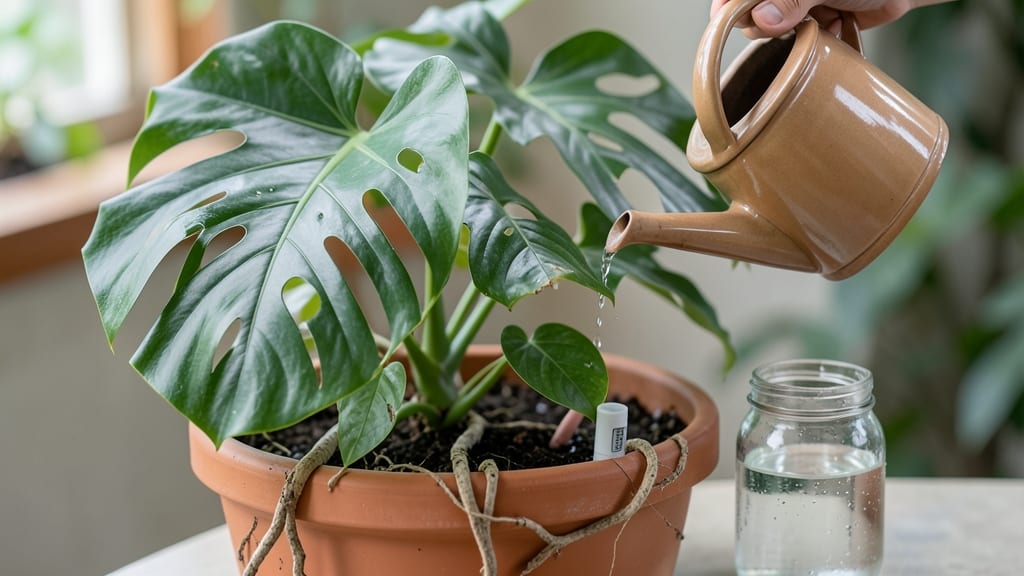
Figuring out how much water a Monstera plant needs can feel like guessing—too much and you risk root rot, too little and those gorgeous leaves start curling. The key? Understanding your plant’s tropical roots and adjusting for your home’s humidity.
I’ve learned the hard way that Monsteras hate soggy soil but won’t thrive if left bone-dry. A simple finger-check in the top inch of soil tells you everything you need to know—no fancy tools required. Let me show you exactly how to strike that perfect balance.
From seasonal shifts to pot size, small tweaks make a big difference. Whether you’re a beginner or a seasoned plant parent, these tips will keep your Monstera’s leaves lush and its growth strong—without the guesswork.
Ready to master the art of watering? Let’s dive into the science-backed schedule that’ll have your plant thriving in no time.
How often to water Monstera plants based on soil dryness
Monsteras thrive in tropical humidity, but their watering needs often confuse even seasoned plant parents. Unlike succulents, they despise soggy roots but won’t survive drought. The key? Soil dryness checks—not guesswork.
I’ve learned the hard way that sticking to a rigid schedule (like "every Monday") fails when humidity or seasons shift. Instead, use your fingers as a moisture meter. Here’s how to nail it.
Start by inserting one finger 1-2 inches deep into the soil. If it feels dry at the first knuckle, it’s time to water. If damp, wait 2-3 more days.
This finger-check method mimics how Monsteras naturally sense moisture in their rainforest habitat. Pro tip: Test the soil in multiple spots—some pots dry unevenly, especially near edges.
Seasonal shifts drastically alter your Monstera’s thirst. During spring and summer growth spurts, I water mine every 5-7 days (or when the top 2 inches dry). But in fall and winter, I stretch it to every 10-14 days.
Even indoor temperatures matter—my Monstera near the heater dries faster than one by the window.
Overwatering is the silent killer. Yellowing leaves, especially with brown edges, scream "root rot!" while crispy, curling leaves mean underwatering. I’ve saved multiple Monsteras by adjusting watering after spotting these signs.
Always pair watering with well-draining soil (like a mix of potting soil, perlite, and orchid bark) to prevent soggy disasters.
Pot size and material change the game. A small 6-inch pot dries out in 3-4 days, while a 12-inch pot can last 10-14 days. Terracotta pots evaporate moisture faster than plastic, so adjust your schedule accordingly.
I repotted my Monstera into a 1-gallon ceramic pot last year, and now I water 30% less—the roots thank me with bigger fenestrations!
Morning is the best time to water Monsteras. Watering at night traps moisture in the foliage, inviting fungal infections like powdery mildew. Aim for deep watering—soak the soil until water drains from the bottom.
Empty the saucer after 10 minutes to avoid root suffocation. I set a timer to remind myself, because even I forget!
Humidity plays a sneaky role. If your home is dry (like mine in winter with forced-air heat), your Monstera will dry out faster. Boost humidity by placing the pot on a pebble tray with water or grouping plants together.
My Monstera near the bathroom window thrives with the natural humidity, while the one in my dry living room needs extra attention.
New Monsteras need more frequent watering while they establish roots. For the first 3-4 months, I water mine every 4-5 days, even if the soil seems damp. After that, they settle into their mature rhythm.
Always acclimate slowly—if you bring a Monstera home from a nursery, reduce watering by 50% for the first week to avoid shock.
Watch your Monstera’s growth rate as a watering guide. Healthy plants grow 2-4 inches per month in spring/summer. If growth stalls, it’s often a watering issue. My Monstera’s leaves started splitting less when I cut back on winter watering—turns out, it was overhydrated!
Adjust based on what your plant shows you, not a calendar.
Remember: Monsteras are forgiving if you correct mistakes quickly. Drooping leaves? Water deeply. Mushy stems? Let the soil dry out. With practice, you’ll develop a sixth sense for your plant’s needs.
Mine now tells me when it’s thirsty by wilting just enough to guilt me into checking the soil. Works every time! 🌿
Monstera watering mistakes that kill your plant (and how to fix them)
Even with the right watering frequency, Monsteras can still struggle if you’re making these common mistakes. I’ve seen root rot from overzealous watering and crispy leaves from neglect—both are easily avoidable with a few adjustments to your routine.
The biggest culprit? Ignoring your plant’s pot size and drainage system. A small container dries out faster, while a large one holds moisture too long. Without proper drainage, excess water sits at the roots, suffocating them in soggy soil.
Another silent killer is inconsistent watering schedules. Some days you drench it, others you forget entirely. Monsteras thrive on routine—just like how we gardeners love our morning coffee, they love their morning water check.
🌿
⚠️ 3 Deadly Mistakes That Kill Monsteras
- Root-bound pots: Roots circling the bottom? Time to repot in well-draining mix.
- Poor drainage: No holes? Add perlite or orchid bark to prevent rot.
- Inconsistent watering: Stick to 1-2 inches dry between waterings—no guesswork!
💧 Fix: Use your finger to test soil moisture daily—consistency is key!
Let’s tackle these one by one. First, if your Monstera’s leaves are turning yellow or dropping, it’s likely overwatering. The fix? Let the top 2 inches of soil dry before watering again. I use a chopstick to check—if it comes out clean, hold off!
For underwatering, watch for brown, crispy edges on leaves. This means your plant is begging for moisture. Water deeply until it drains from the bottom, then empty the saucer to prevent root rot. Pro tip: Group your Monsteras with other plants to boost humidity!
Lastly, never ignore seasonal changes. In winter, your Monstera slows down and needs half the water. I cut back to monthly waterings and watch for wilting—my plant’s way of saying, “Hey, I’m thirsty!”
With these fixes, your Monstera will bounce back faster than you think. The key is observation—just like how we notice when our favorite plants need extra love, Monsteras will show you exactly what they need.