
How To
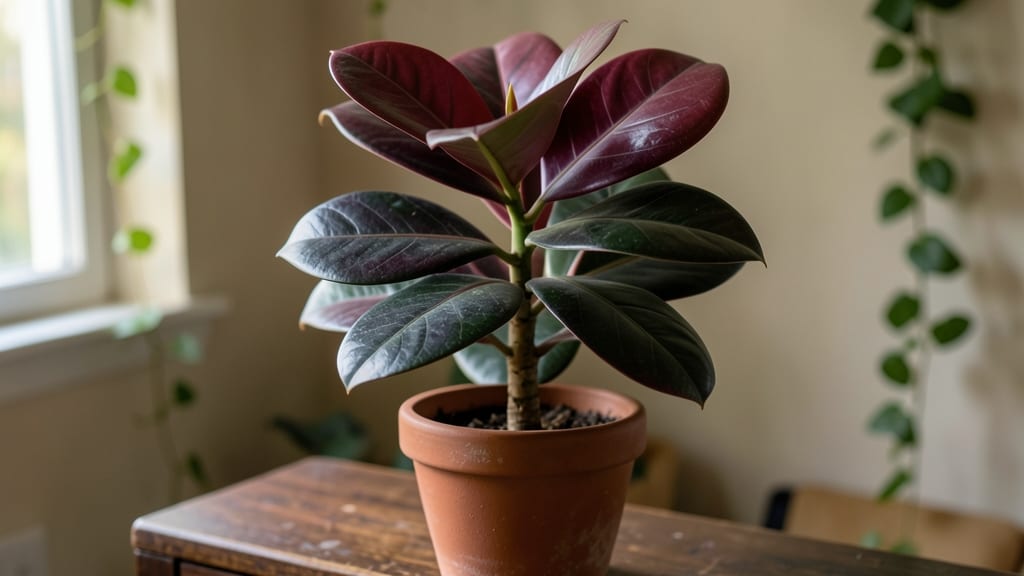
Ideal rubber plant light requirements: brightness levels explained
Rubber plants (Ficus elastica) are famously adaptable, but their light needs are the foundation of healthy growth. Too little light leads to stunted growth, while too much causes leaf scorch.
The key is finding that sweet spot of bright indirect light—think dappled sunlight filtering through sheer curtains or a well-lit room without harsh rays.
Most rubber plants thrive with 2-4 hours of natural light daily, but they can stretch to survive in low-light conditions (like offices or north-facing rooms). The challenge? Measuring light intensity isn’t just about hours—it’s about brightness levels and light quality. Here’s how to get it right.
To measure light intensity in your home, use the "shadow test": Place a white piece of paper near your rubber plant. If the shadow is sharp and dark, the light is too direct. If it’s soft and faint, you’ve hit the bright indirect sweet spot.
For artificial lighting, LED grow lights with a 2700-3000K color temperature mimic natural light best—place them 12-18 inches above the plant for 12-14 hours daily.
Seasonal changes complicate things. In winter, when daylight shrinks, supplement with a grow bulb (like a full-spectrum LED) to maintain 10-12 hours of light. In summer, watch for afternoon sun—move your plant 3-4 feet back from south/west windows to avoid leaf scorch.
A simple trick? Rotate the pot quarter-turns weekly to ensure even light exposure on all sides.
Pro tip: Rubber plants with darker foliage (like 'Black Prince') tolerate lower light than variegated types (like 'White Princess'). If your plant’s leaves are pale or stretched, it’s begging for more light. If they’re crispy or bleached, it’s getting too much. Balance is everything!
For urban dwellers without natural light, smart grow lights (like the Sprout Pro) adjust automatically based on your plant’s needs. Even a $20 LED bulb can work if placed 6-12 inches away for 8 hours daily.
The goal? Mimic the natural light cycle as closely as possible—your rubber plant will thank you with glossy, vibrant leaves.
Remember, rubber plants are forgiving, but they’re not invincible. Start with medium light, observe your plant’s response for 4-6 weeks, then adjust. Patience and attention to light quality (not just quantity) will reward you with a lush, thriving houseplant for years. 🌿
Signs of wrong light exposure: how to fix yellow leaves, leggy growth & more
Your rubber plant might be silently screaming for help—through yellowing leaves or stretched-out stems. Light exposure is the #1 reason rubber plants (Ficus elastica) struggle indoors. Too little light causes etiolation (those sad, leggy stems), while too much triggers leaf scorch and crispy edges.
The good news? Fixing it is easier than you think with a few simple adjustments.
Start by checking your plant’s current location. If it’s near a south-facing window with direct afternoon sun, those leaves may be getting sunburned. Conversely, if it’s tucked in a dim corner, the slow growth and pale leaves signal light deprivation.
Both extremes stress your plant, but the fixes are straightforward once you spot the clues.
Moving your rubber plant from low light to full sun too quickly can cause leaf drop or shock. Instead, gradually adjust its position over 1-2 weeks to let it acclimate. For leggy growth, rotate the pot quarter-turns weekly to encourage even light exposure.
Yellow leaves often mean overwatering combined with poor light. The roots can’t absorb moisture efficiently in dim conditions, leading to root rot. Before watering, check the soil—if it’s damp 2+ inches deep, hold off.
Pair this with better light, and your plant will bounce back faster. A north-facing window or 3-6 feet from an east/west-facing window is ideal.
For leggy rubber plants, the fix isn’t just more light—it’s bright, indirect light. Place it near a sheer curtain or use a grow light 6-12 inches above for 12-14 hours daily.
LED full-spectrum bulbs (10,000-20,000K) mimic natural light perfectly. Prune the long stems to encourage bushier growth, then repot in well-draining soil to support recovery.
Seasonal changes throw off light exposure too. In winter, shorter daylight hours can mimic low-light conditions. Supplement with a timer-controlled grow light during 6 AM–8 PM to maintain consistency. Conversely, summer’s intense sun may require afternoon shade to prevent leaf bleaching. Adjust placement every 2-3 months to match the season.
Pro tip: Dusty leaves block light absorption. Wipe them gently with a damp microfiber cloth monthly to maximize sunlight exposure. Pair this with proper watering (deep soaks every 1-2 weeks) and your rubber plant will reward you with glossy, vibrant leaves in no time. 🌿