
Companion Plants
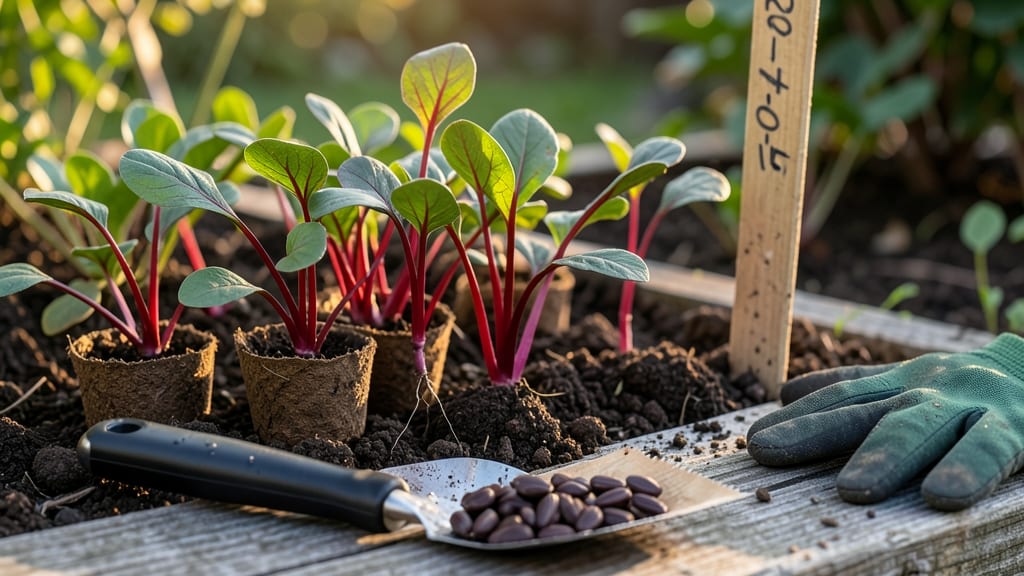
Planting your beets 🍠 at the wrong time in Zone 6 can turn your garden into a bitter disappointment—literally. The key to sweet, tender roots lies in understanding when the soil warms enough to support growth without risking early frost damage.
In Zone 6, where last frosts typically hit around mid-April and first frosts arrive by mid-October, timing is everything. You’ve got two perfect windows: early spring (as soon as soil is workable) or late summer (8-10 weeks before frost).
But getting it wrong means either stunted plants or woody, tough roots.
I’ll break down the exact months to plant for your region’s climate, including soil temperature tips and how to adjust for unpredictable Zone 6 weather. Whether you’re a first-time gardener or a seasoned grower, these insights will help you avoid common mistakes and maximize your harvest.
Ready to grow beets that are perfectly sized and flavorful? Let’s dive into the best planting schedule for your Zone 6 garden—no guesswork required.
Zone 6 beet planting dates by frost timeline (with exact months)
Planting beets in Zone 6 requires precision timing to avoid bitter roots or stunted growth. The last frost date (around April 15) and first frost date (around October 15) create a 165-day growing window—just enough for two planting cycles.
Beets thrive in cool soil temperatures (50–70°F), so rushing too early or delaying too late can ruin your harvest.
For the best results, focus on early spring (as soon as soil is workable) and late summer (8–10 weeks before frost). Zone 6’s variable microclimates mean your exact dates may shift slightly—mountain areas stay cooler longer, while urban zones warm faster. Always check your local frost forecast and adjust accordingly.
Soil temperature is critical: beets won’t germinate well in cold soil (45°F or below). Use a soil thermometer to confirm readiness—aim for 50°F+ before planting. In Zone 6a (colder end), wait until mid-April; in Zone 6b (warmer), you can start as early as late March.
Your early spring planting should begin as soon as the soil reaches 50°F—typically late March to mid-April in Zone 6b, and mid-April in Zone 6a. Plant seeds ½ inch deep, spacing them 1–2 inches apart.
Thin seedlings to 3–4 inches apart once they’re 2–3 inches tall. This timing ensures you’ll harvest before the summer heat causes bolting (flowering) or wooden stems.
For late summer/fall planting, aim for 8–10 weeks before your first frost (usually August 1–15). This gives beets enough time to mature before cold sets in.
If you’re in a warmer microclimate (e.g., urban heat islands), you might push planting to early September, but monitor soil temps closely—beets won’t germinate well above 85°F.
Pro tip: Succession planting every 2 weeks in spring and 3 weeks in fall keeps a steady supply. For example, plant your first batch in late March, then follow with April 15 and May 1 for a staggered harvest.
In fall, add a final batch in early September to catch the last 60–70 days before frost.
Watch for unpredictable late frosts—even in May! Use floating row covers or cloches to protect young seedlings. If frost hits after germination but before true leaves appear, the seeds may still survive.
However, once leaves emerge, frost will damage them, so plan accordingly. In Zone 6a, err on the side of planting later (after May 1) to avoid frost risks.
Harvest time arrives when beets reach 1–3 inches in diameter and tops are 4–6 inches tall. For spring plantings, this typically falls between late June and August.
Fall plantings will be ready by October, just before frost. Leave 1 inch of stem when pulling to prevent bleeding and extend shelf life.
If you miss the spring window, don’t despair—fall planting can be just as productive. Start seeds indoors in late July and transplant outdoors in early August for a
How to adjust beet planting for Zone 6’s unpredictable weather
Zone 6’s unpredictable frost patterns can turn your beet dreams into a gamble—one day of late frost or unexpected heat can ruin your entire crop. The key to success lies in flexible planting strategies that account for these fluctuations.
I’ve learned that even a 5-degree temperature swing can delay germination by a week, so planning ahead is non-negotiable.
Instead of relying solely on calendar dates, focus on soil temperature and microclimate adjustments. For example, if your garden sits in a frost pocket, you’ll need to plant 2-3 weeks later than your neighbor’s warmer microclimate.
This section covers my proven tactics for beating Zone 6’s weather whims—from row covers to staggered plantings—to ensure your beets thrive.
One of my biggest mistakes was planting beets in early March without checking soil temperature—only to watch them rot in cold, soggy ground. Now, I always wait until the soil reaches at least 50°F before planting.
For fall harvests, aim to sow seeds 8-10 weeks before your first frost date (typically mid-August in Zone 6).
If a late frost threatens, don’t panic—row covers can save your crop. I’ve used them to protect seedlings down to 28°F, though they’ll need removal once temps rise above 75°F to prevent overheating.
For extra insurance, try succession planting: sow a small batch every 10 days in spring and summer for a steady supply.
Remember, Zone 6’s weather is unpredictable, but with these adjustments, you can turn challenges into opportunities. Whether you’re dealing with a late frost or a heatwave, these strategies will help you grow beets that are sweet, tender, and abundant all season long.