
Plants
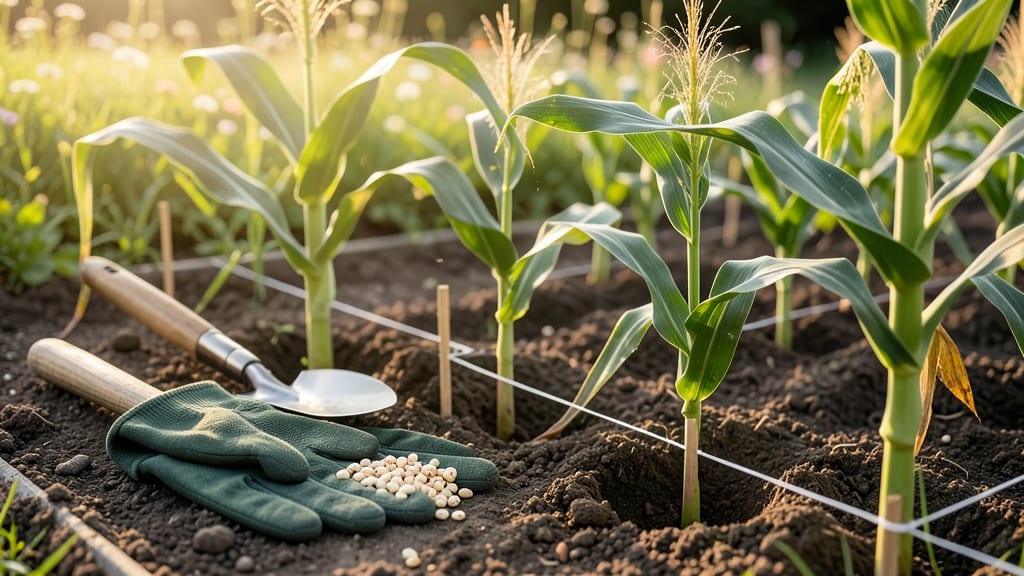
Planting corn in Kansas at the wrong time can mean the difference between a bountiful harvest of golden 🌽 ears and struggling plants that never reach their potential.
With the state's diverse USDA zones—ranging from 5b in the north to 7a in the south—getting the timing right is crucial for success.
Most Kansas gardeners should aim to plant corn between mid-April and late May, but this window shifts depending on your exact location and last frost date. In northern Kansas, where frost lingers longer, waiting until soil temperatures hit 60°F is key to avoiding cold damage.
Why does timing matter so much? Corn thrives when planted after the last frost, typically around April 15 in most areas, but southern Kansas can start earlier. I’ll show you how to adjust for your specific zone, choose the right varieties, and prepare your soil for maximum yields.
Whether you're a seasoned farmer or a backyard gardener, these insights will help you plant corn at the perfect moment—so you can enjoy fresh, homegrown ears all summer long.
Kansas corn planting dates by USDA Zone: exact timing for maximum yield
Getting your corn planting dates right in Kansas is crucial—this state's USDA zones 5a through 7b create dramatic differences in growing conditions. In northern Kansas (5a-6a), you'll need to wait until late April to early May, while southern Kansas (6b-7b) can start as early as mid-April.
The key is planting when soil temperatures hit 60°F at 4-inch depth, which ensures strong germination and rapid growth.
Corn is sensitive to late spring frosts, which can devastate emerging seedlings. Most Kansas regions experience their last average frost between April 15 and May 1, but western areas (like Zone 5a) may face frosts until May 10.
For maximum safety, I recommend waiting 2-3 weeks after your local frost date before planting, especially for early-maturing varieties that need to reach harvest before fall frosts arrive.
Here's where things get interesting: early varieties (like 'Golden Bantam') can be planted as soon as soil warms, while late varieties (like 'Pioneer Brand') benefit from slightly delayed planting to avoid corn earworm pressure.
The optimal window for most Kansas gardeners falls between mid-April and late May, but your exact timing depends on your specific zone and local microclimate.
🌽
For Zone 5a gardeners in western Kansas, I've seen the best results by planting early varieties in late April when soil finally warms. These areas often experience dry springs, so I recommend pre-watering the planting area and using mulch to retain moisture.
In contrast, Zone 7b gardeners in southeast Kansas can start as early as late March for super-early varieties, giving them a longer growing season.
The 100-day rule is critical for Kansas corn growers. Most corn varieties need between 75-120 days to mature, and you must account for your first fall frost date (typically October 15 statewide).
For example, if you plant in mid-May in Zone 6a with a 90-day variety, you'll harvest just before frost—ideal timing. But planting the same variety in late May risks immature ears before frost.
Don't overlook successive planting for continuous harvests. In Zone 6b-7a, I plant my first batch in early April with 75-day varieties, then follow with 90-day and 100-day varieties every 2-3 weeks.
This staggered approach ensures fresh corn from June through September, even when some varieties reach maturity earlier than others.
One common mistake I see is planting corn too early in hopes of beating the heat. Cold soil slows germination, making seedlings vulnerable to damping-off disease and pest pressure. Always wait for that 60°F soil temperature—it's non-negotiable for strong, healthy stands.
And remember, corn needs space: plant rows 2.5-3 feet apart to allow proper airflow and reduce disease risk.
🌾
If you're in Zone 5a or 6a and facing unpredictable springs, consider using black plastic mulch to warm the soil faster. I've seen this method add 2-3 weeks to the planting window in cooler areas.
For Zone 7b gardeners, you have more flexibility—just be mindful of summer heat stress and provide adequate water during tasseling (when pollen forms).
Finally, always check your local almanac for recent frost data—Kansas' climate
How to adjust corn planting dates for Kansas weather patterns and soil conditions
Kansas' spring weather is famously unpredictable—one day you're dealing with late frosts, the next with sudden heatwaves that dry out soil faster than you can water. This variability makes timing critical for corn success.
Unlike other crops, corn is extremely sensitive to cold soil, which can stunt root development or even kill seedlings if planted too early.
In my experience gardening across USDA zones 5a-6a, I've learned that waiting for soil temperatures to consistently reach 60°F is more reliable than following calendar dates alone.
A soil thermometer is your best friend here—planting when the ground warms up ensures strong germination and faster establishment, even if that means delaying until early June in cooler northern areas.
Here's the catch: Kansas' western regions (like Garden City) often experience earlier soil warming due to lower rainfall, while eastern areas (like Topeka) may still have cold snaps in May. This regional difference means your neighbor's planting schedule might not work for you.
⚠️ callout-warning ⚠️
Kansas corn planted after June 1 in most zones risks reduced yields and ear rot from summer heat. The ideal window is mid-April to late May, but adjust based on:
- ✅ Soil temp: Must stay above 60°F for 7+ days
- ✅ Frost risk: Wait 2 weeks after last frost
- ✅ Rainfall: Avoid planting before 1" of rain
Pro Tip: Use black plastic mulch to warm soil faster in cool springs!
To handle Kansas' drought-prone conditions, I recommend testing soil moisture before planting. Stick your finger 2-3 inches deep—if it feels dry, corn seeds won't germinate properly.
In my garden, I've had success with drip irrigation set up before planting to ensure consistent moisture during germination, which is the most critical period for corn.
For gardeners in cooler zones (5a-6a), extending the growing season with row covers or low tunnels can help. I've planted early varieties like 'Ambrosia' under row covers in late March, then removed them once soil warmed.
This gives you a 2-3 week head start on the season, which is invaluable when Kansas summers arrive suddenly.
Don't forget about soil preparation—corn thrives in well-drained, slightly acidic soil (pH 6.0-6.8). Before planting, I always work in 2-3 inches of compost and ensure proper drainage. In heavy clay soils common across Kansas, adding sand or organic matter can prevent waterlogging, which corn roots hate.
A simple percolation test (pouring water and timing drainage) helps determine if your soil is ready.
Finally, choose drought-tolerant varieties like 'Pioneer Brand 33B48' for western Kansas or 'Golden Bantam' for shorter seasons. These varieties can handle short-term dry spells better than standard hybrids. Pair this with mulching to retain moisture, and you'll give your corn the best chance to thrive despite Kansas' whimsical weather.