
Plants
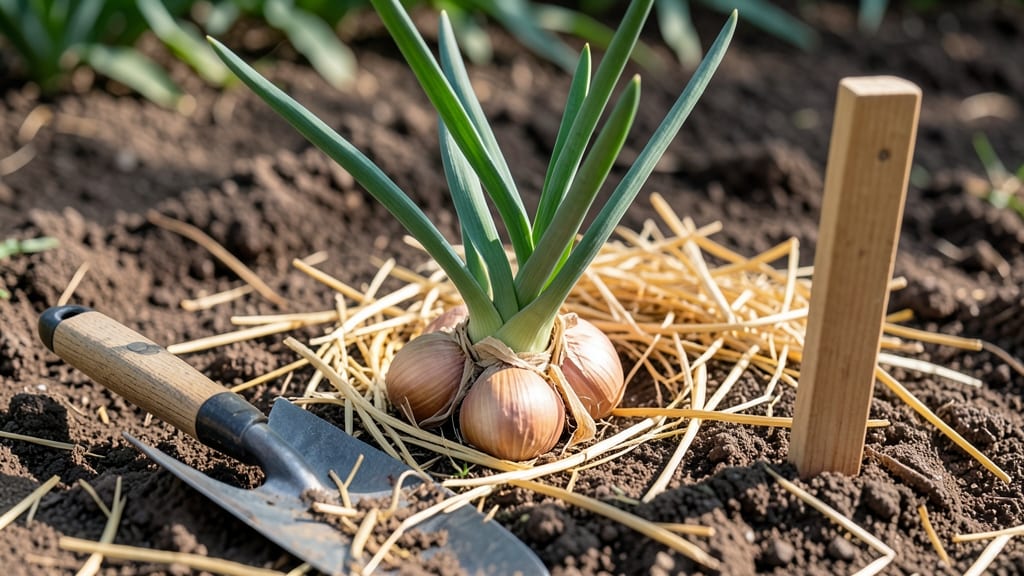
Planting garlic in Zone 6 at the wrong time can turn your 🧄 harvest from plump and flavorful to weak and disappointing—but getting the timing right is easier than you think.
The key lies in those crisp fall days when soil temperatures drop below 60°F, signaling the perfect moment for hardneck varieties to establish roots before winter’s chill.
Most gardeners in Zone 6 rush to plant too early, only to watch their cloves rot in damp soil or sprout too soon before frost.
The ideal window is narrow but forgiving: aim for October through mid-November, ensuring your garlic gets 4-6 weeks of root growth before the ground freezes solid.
Why does this matter? Because garlic planted in fall develops stronger bulbs than spring-planted varieties, thanks to the natural winter chilling process. I’ll show you exactly how to time it—plus soil prep tricks to keep your cloves happy through Zone 6’s unpredictable winters.
Ready to grow garlic that rivals the grocery store? Let’s break down the exact steps to plant, from selecting cloves to avoiding common mistakes that sabotage harvests. Your future meals will thank you!
Optimal planting months for garlic in Zone 6 with exact timing
In Zone 6, planting garlic at the right time is critical for strong root development before winter sets in. The ideal window is between mid-October and early November, when soil temperatures drop below 60°F but before the ground freezes.
This timing gives garlic cloves enough time to establish roots while avoiding the stress of early frosts.
Hardneck varieties, the most popular choice for Zone 6, need this 4-6 week window before the ground freezes solid. Planting too early can lead to weak roots, while planting too late may prevent bulb formation.
The key is to balance these factors based on your local frost dates and soil conditions.
Summary-Table for planting garlic in Zone 6:
| Planting Window | Soil Temperature | Frost Consideration | Action |
|---|---|---|---|
| Mid-October | 60-50°F | First frost expected | Plant hardneck varieties for strong root growth |
| Late October | 50-40°F | Ground freezing soon | Plant softneck varieties if preferred |
| Early November | Below 40°F | Ground frozen | Avoid planting; roots won't develop |
| September (late) | Above 60°F | No frost risk | Plant only if soil stays warm; risk of weak roots |
If your Zone 6 region experiences early frosts, adjust planting to early October to ensure garlic has enough time to establish roots. Use a soil thermometer to monitor temperatures—aim for planting when soil is between 40-60°F. This range allows roots to grow without encouraging rot in warmer conditions.
For late frosts, push planting to late October or early November, but avoid planting when soil temperatures drop below 40°F. Cold soil can stunt root growth, leading to smaller bulbs. Mulch with straw or leaves after planting to insulate the soil and maintain stable temperatures.
Always plant pointy end up and 2 inches deep, spacing cloves 4-6 inches apart for proper airflow. This spacing reduces disease risk and allows bulbs to develop fully. In Zone 6, hardneck varieties like Music or German White thrive best with this timing and care.
Adjust your planting schedule based on your specific last frost date. If your area typically sees frost by mid-October, plant by early October. If frost comes later, like late October, extend planting to mid-November. Always prioritize root establishment over early planting.
Use a planting calendar to track your local frost dates and soil temperatures. Many Zone 6 gardeners find success by planting garlic on October 15th, a common benchmark date that balances frost risk and root growth time. This date works well for most of the Midwest and Northeast regions.
If you miss the fall window, you can still plant garlic in Zone 6 in early spring, but bulbs will be smaller and less flavorful. Spring planting is a last resort—fall planting is always preferred for the best results. Focus on timing to maximize your garlic harvest next summer.
Test your soil’s readiness by pressing your finger into the ground. If it feels cool but not frozen, it’s time to plant. Garlic planted in Zone 6 with this precision will reward you with large, flavorful bulbs ready for harvest in July or August of the following year.
How to prepare garlic cloves for Zone 6 planting success
Preparing your garlic cloves properly is just as important as timing your Zone 6 planting. Healthy cloves and the right soil conditions set the stage for strong root development before winter arrives. Start by selecting plump, firm cloves from high-quality bulbs—avoid any with soft spots or sprouts that feel weak.
The pointy end always faces up, while the flat side rests on the soil to encourage upward growth.
In Zone 6’s colder climate, soil amendments become critical. Amend your planting area with compost or well-rotted manure to improve drainage and prevent rot during winter’s freeze-thaw cycles. Aim for a planting depth of 2 inches, which is about twice the clove’s height.
This depth protects cloves from heaving during frost while allowing roots to establish before dormancy.
Spacing is another key factor for airflow and disease prevention. Arrange cloves in rows 4-6 inches apart, with 6 inches between rows. This spacing reduces humidity around the plants, lowering the risk of fungal issues like white rot, which thrives in cold, damp conditions.
Mulch with straw or leaves after planting to insulate cloves and maintain even soil temperatures.
⚠️ callout-warning ⚠️
Planting garlic too early (before mid-September) in Zone 6 risks weak root development before winter. Conversely, planting too late (after mid-November) may prevent bulb formation. Aim for 4-6 weeks before your first hard frost—typically October 1-15 in most Zone 6 regions.
🌡️ Soil temp tip: Wait until soil cools to 60°F or below to mimic natural dormancy triggers.
For extra protection against rot, consider adding a 1-inch layer of sand to heavy clay soils. This improves aeration and prevents waterlogging, which can suffocate cloves during winter. In areas with extreme cold snaps, a light row cover can shield newly planted cloves from sudden temperature drops.
Finally, label your rows immediately—garlic takes 9-10 months to mature, and forgetting which variety you planted can lead to confusion at harvest time. Hardneck varieties like ‘German White’ or ‘Music’ are ideal for Zone 6, as they thrive in cold winters and produce robust bulbs with flavorful scapes.
With these steps, your garlic cloves will be perfectly positioned to weather Zone 6’s winters and emerge next summer ready for harvest. The key is balancing depth, spacing, and soil prep to create an environment where cloves can focus on root growth rather than struggling against cold or disease. 🌱