
Plants
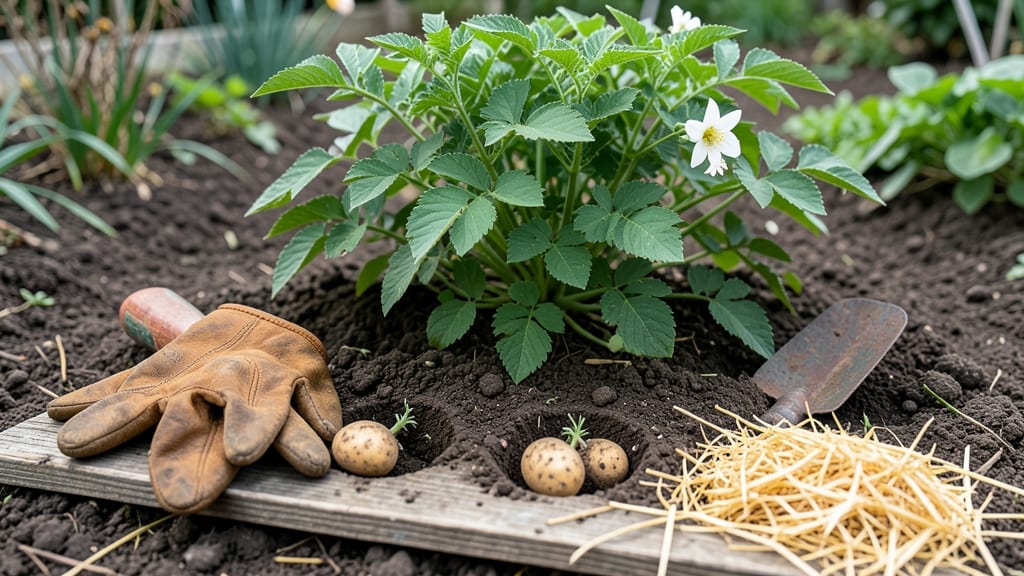
Planting potatoes in Zone 9 might seem counterintuitive—after all, who wants to dig in the heat? But timing your 🥔 harvest just right means skipping the frost worries and beating the summer sun.
The key isn’t waiting for spring; it’s planting early enough so your tubers mature before the soil turns into an oven.
Most gardeners in frost-free Zone 9b plant their seed potatoes between January and March, when soil temps hover between 45-60°F. This gives you a head start on the growing season, letting foliage establish before the real heat arrives.
Miss this window, though, and you risk stunted growth or even no harvest at all.
What makes this timing work isn’t just about the calendar—it’s about reading your microclimate. Shady spots or elevated beds can push your planting window later, while low-lying areas might need an earlier start. The goal? A zero-frost harvest by late spring, when tubers are plump and ready to pull.
Ready to master the art of cool-season planting in Zone 9? I’ll walk you through the exact steps, from soil prep to variety selection, so you can enjoy homegrown potatoes without the guesswork.
Best planting windows for potatoes in Zone 9 (with frost-free guarantees)
Zone 9 gardeners have a unique advantage: no frost to worry about! But that doesn’t mean potatoes can be planted anytime. The key is timing soil temperatures between 45-60°F to avoid heat stress and ensure strong tuber formation.
Plant too early, and your tubers may rot; too late, and summer’s 90°F+ soil will scorch them before harvest.
Unlike cooler zones, Zone 9 potatoes thrive with two planting windows: a late-winter/early spring window (Jan-Mar) and a fall/winter window (Oct-Nov) for cooler-season varieties. The goal? Harvest before soil temps hit 75°F+, when tubers stop forming and foliage bolts.
Pro Tip: Use a soil thermometer to confirm temps. If your soil runs hotter than 65°F for more than a week, delay planting or opt for heat-tolerant varieties like Red LaSoda or Yukon Gold.
| Planting Window | Ideal Soil Temp | Best Varieties | Harvest Window | Microclimate Tip |
|---|---|---|---|---|
| Late Winter (Jan-Feb) | 45-55°F | Yukon Gold, Kennebec | April-May | Plant in cooler high-elevation areas first. |
| Early Spring (Mar-Apr) | 50-60°F | Red LaSoda, Fingerlings | May-June | Use mulch to retain moisture. |
| Fall/Winter (Oct-Nov) | 55-65°F | Sweet Potatoes (alternative), Purple Majesty | Dec-Jan | Best for shaded or north-facing beds. |
For spring planting, start chitting seed potatoes in late February—place them in egg cartons with the rose end up and expose to bright light (but no direct sun). Sprouts should appear in 2-3 weeks, signaling they’re ready for soil.
Zone 9’s microclimates play a huge role. Coastal areas (like San Diego) stay cooler longer, while inland valleys (like Phoenix) heat up faster. If you’re in a hotter microclimate, prioritize shade cloth and drip irrigation to keep soil temps stable.
Warning: Avoid planting in summer’s peak heat (June-August). Soil temps above 75°F cause tuber scorch and hollow hearts. Instead, focus on fall/winter varieties or use containers with black plastic mulch to insulate roots.
To maximize yields, stagger plantings every 2-3 weeks in March-April. This succession planting ensures a continuous harvest before summer’s heat sets in. For example, plant one batch in early March (harvest April), another in mid-April (harvest May), and a final batch in late April (harvest June).
Prep your soil by amending with compost and aged manure to improve drainage—Zone 9 soils often compact under heat. Aim for a pH of 5.0-6.5 and loamy texture. Plant 4-6 inches deep, spacing rows 12-18 inches apart to allow airflow and reduce disease risk.
With the right timing, you can enjoy fresh potatoes year-round in Zone 9—no frost required! Start with one test batch in March, monitor soil temps, and adjust future plantings based on your microclimate’s quirks.
How to extend potato growing season in Zone 9’s heat (pro tips)
Zone 9’s summer heat can turn your potato patch into a failed experiment if you don’t act fast. The secret to success? Extending the growing season by cooling soil and protecting tubers from heat stress.
With the right strategies, you can push harvests into late spring—just before temperatures spike above 80°F.
Start by choosing heat-tolerant varieties like Red LaSoda or Yukon Gold, which handle 75°F+ soil temps better than traditional types. These varieties form tubers faster, giving you a 3-4 week advantage before summer’s worst heat arrives.
- 1 Use shade cloth (30-50%) to reduce soil temps by 10-15°F. Install over rows when temps hit 75°F to prevent tuber scorch.
- 2 Mulch heavily with straw or black plastic to insulate soil. Straw keeps roots 5-10°F cooler while suppressing weeds. Black plastic warms soil in winter but blocks heat in summer.
- 3 Water deeply at dawn (1-2 inches) to cool soil. Avoid evening watering, which promotes fungal diseases like blight. Use drip irrigation to deliver moisture directly to roots.
- 4 Harvest early when foliage yellows but before soil hits 80°F. Dig new potatoes (small tubers) at 60 days to avoid heat stress on larger tubers.
- 5 Plant in containers with black plastic mulch for urban gardeners. Containers heat up faster, so bury them in shaded areas and water daily to maintain 60-70°F soil temps.
For fall/winter plantings, focus on shaded beds or north-facing slopes where soil stays cooler. Varieties like Purple Majesty thrive in these conditions, producing tubers even when daytime temps hit 85°F. Pair this with weekly mulch top-ups to lock in moisture and regulate temperature.
Monitor soil temps daily with a cheap thermometer ($10). If temps climb above 70°F for more than 3 days, harvest immediately or switch to container growing with shade. The goal? Keep tubers forming for 8-10 weeks before summer’s peak heat shuts down growth.
Pro tip: Stagger plantings every 2 weeks in March-April for a rolling harvest. Your first batch (planted in early March) will be ready by late April, while the last batch (planted in late April) can harvest in early June—just as summer’s worst heat arrives.
This way, you’re always one step ahead of the sun.
With these tricks, you’ll beat Zone 9’s heat and enjoy homegrown potatoes without the stress. Start small, test what works in your microclimate, and soon you’ll have a heat-proof potato system that outperforms neighbors struggling with summer failures. 🌱☀️