
Plants
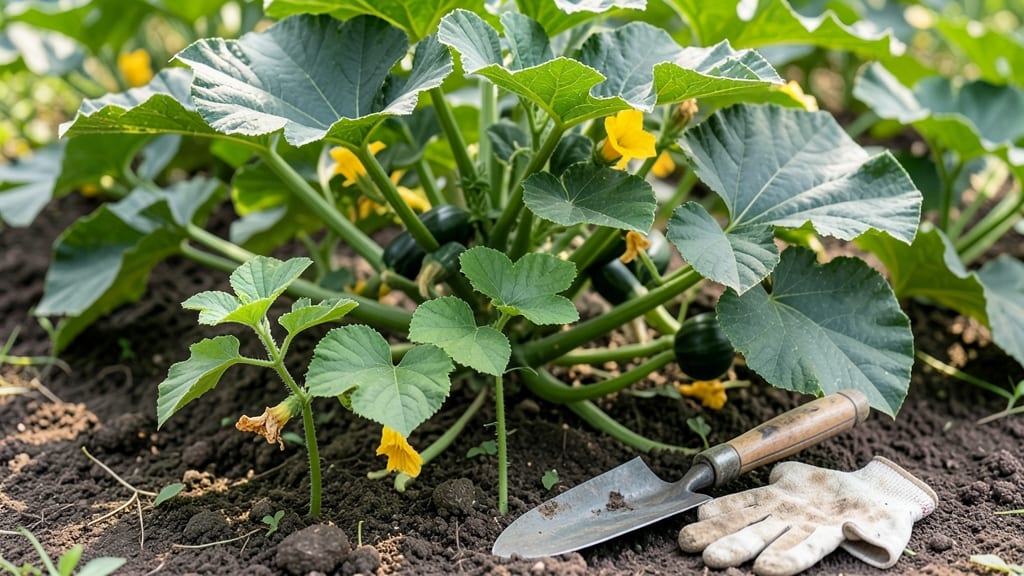
Planting squash in Texas isn’t just about grabbing seeds and sticking them in the dirt—it’s about outsmarting the heat and avoiding those cruel late frosts that can turn your garden dreams into a sad pile of wilted vines.
With USDA zones ranging from 8a to 11, Texas gardeners have a unique advantage: a long, frost-free growing season that stretches from March to October. But timing matters—plant too early in North Texas, and a surprise frost in February could ruin your crop.
Too late, and the 100°F+ summer heat will leave your squash struggling before it even matures.
Whether you’re growing zucchini, butternut, or pumpkins, the key is knowing when to start seeds indoors (or when to direct-sow) based on your region.
In Gulf Coast areas like Houston, you can plant as early as mid-February, while West Texas gardeners should wait until late April to avoid frost risks.
I’ll walk you through the exact planting windows, soil prep tricks, and even how to stretch your harvest with summer varieties—so you can enjoy fresh 🎃 squash from spring to fall without the guesswork.
Texas heat-Zone planting calendar for squash: frost-free deadlines by region
Texas's diverse climate means your squash planting schedule can vary dramatically from the Panhandle to the Gulf Coast. In North Texas (USDA Zones 7b–8a), late frosts linger until mid-April, while South Texas (Zones 9a–11) enjoys frost-free soil by January.
Even Central Texas (Zone 8b) faces a 100°F+ heat wave by July—timing your plantings avoids wilting vines and poor yields.
For summer squash (zucchini, yellow crookneck), aim to plant when soil hits 65°F+—typically March in North Texas and February in South Texas. Winter squash (butternut, pumpkins) need 90–100 frost-free days, so start them late June to early August in most regions.
Miss these windows, and you'll battle heat stress or premature bolting.
Here’s your region-specific planting calendar, including last-frost dates, soil temperature thresholds, and optimal transplant windows for both direct sowing and transplanting seedlings.
| Region | Last Frost Date | Soil Temp Threshold (°F) | Spring Planting Window | Summer/Fall Planting Window | Notes |
|---|---|---|---|---|---|
| North Texas (Zones 7b–8a) | Mid-April | 65°F+ | March 15–April 30 | July 15–August 15 | Use row covers for early starts; avoid June (heat stress). |
| Central Texas (Zone 8b) | March 1 | 65°F+ | February 20–April 15 | June 20–August 10 | Black plastic mulch warms soil faster; mulch heavily in summer. |
| South Texas (Zones 9a–11) | January 1 | 60°F+ | January 15–March 15 | July 1–September 1 | Plant winter squash in fall for Thanksgiving harvests; shade cloth helps in peak summer. |
| West Texas (Zones 7b–8a) | April 1 | 70°F+ (dry heat) | April 15–May 15 | July 20–August 30 | Drip irrigation is critical; avoid overhead watering (fungus risk). |
In North Texas, where last frosts can hit March 15, I recommend starting zucchini seedlings indoors by February 15 and transplanting after April 1.
For Central Texas, direct sow summer squash in March—soil warms quickly, but June plantings risk heat stress. South Texas gardeners can push the envelope: plant butternut squash in January for a fall harvest before first frosts in November.
For vining varieties like pumpkins, give them 50+ days to mature before first frost.
In North Texas, this means late July plantings for a fall harvest. Bush types (e.g., 'Eight Ball' zucchini) mature faster (45–50 days), so they’re safer for late-season plantings in August.
Always check your local AgriLife Extension for microclimate adjustments—Hill Country may frost earlier than Austin suburbs!
Pro tip: Test soil temperature with a soil thermometer—60°F is the minimum for germination, but 70°F+ speeds up growth. In West Texas, where dry heat dominates, mulch heavily to retain moisture and water deeply at night to reduce evaporation
How to extend your Texas squash season: cold-hardy varieties and row cover hacks
Texas’s unpredictable weather can turn a squash gardener’s dream into a nightmare—one minute you’re battling 100°F+ heat, the next dealing with a surprise freeze warning. The secret to a year-round harvest? Cold-hardy varieties and smart row cover hacks that protect tender plants while letting them thrive.
I’ve grown squash in North Texas (Zone 8a) and East Texas (Zone 9a), and the difference between a meager harvest and a bountiful one often comes down to plant selection and season extension.
Whether you’re aiming for early spring zucchini or late fall butternuts, these strategies will help you beat Texas’s extremes.
- 🌱 Cold-Hardy Varieties: Start with 'Black Beauty' zucchini (tolerates 50°F+ soil) or 'Waltham Butternut' (handles light frosts). For late fall, try 'Crown Prince' pumpkin—it matures in 85 days and resists powdery mildew.
- 🔥 Row Cover Hacks: Use floating row covers to warm soil 3–5°F faster in spring. For late fall, black plastic mulch raises soil temps by 10°F+, delaying frost damage. Remove covers when flowers appear to allow pollination.
- ⏰ Planting Windows: Early spring: Sow seeds under covers 2–3 weeks before last frost (e.g., mid-March in Central Texas). Late fall: Plant 60–70 days before first frost (e.g., late August in North Texas).
- 💧 Soil Prep: Amend beds with compost to improve drainage (Texas clay retains too much moisture). Add mycorrhizal fungi to boost root health in sandy soils (common in West Texas).
One of my biggest mistakes? Skipping soil tests before planting. Texas soils vary wildly—clay-heavy in East Texas can suffocate roots, while sandy soils in West Texas dry out too fast.
Always test your soil’s pH (6.0–6.8) and organic matter before planting. I use a compost tea to give squash plants a nutrient boost in poor soils.
For late fall harvests, focus on smaller varieties like 'Eight Ball' zucchini (matures in 45 days) or 'Sweet Dumpling' squash. These handle cooler temps better than giant pumpkins. Pair them with reflective mulch to deflect heat and straw mulch to insulate roots during nighttime temp drops.
Don’t forget to monitor for squash vine borers—they thrive in Texas’s heat. Use yellow sticky traps near plants to catch adult moths early. For organic control, wrap stems with aluminum foil (borers can’t penetrate it) or apply neem oil every 7–10 days.
With these tricks, I’ve extended my squash season from April to October—even in Zone 8a. The key is balancing cold tolerance, soil warmth, and protective covers. Start small, experiment with varieties, and soon you’ll be enjoying homegrown squash year-round.