
Plants
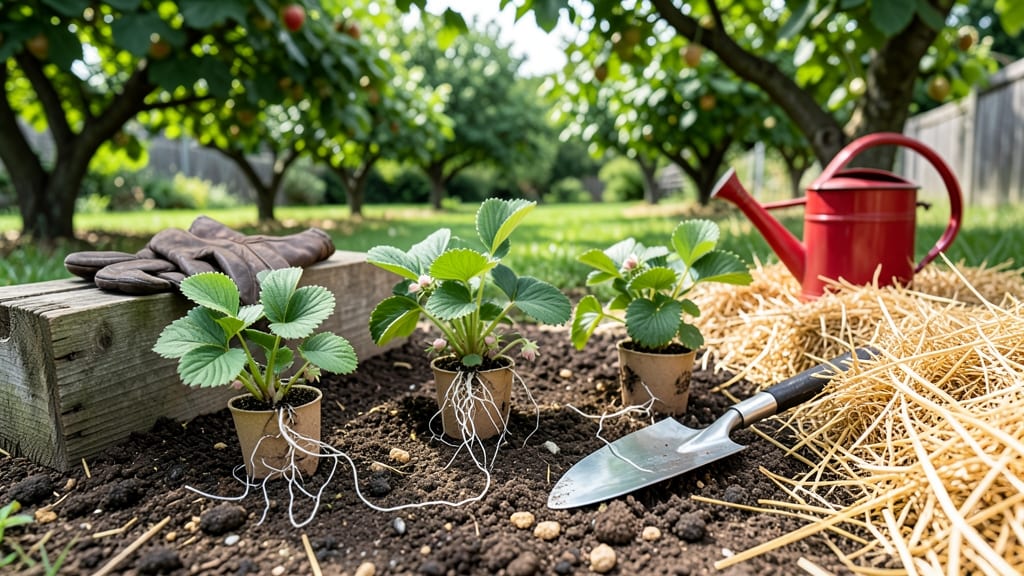
Planting strawberries in Louisiana at the wrong time means battling heat stress, pests, or even losing your entire crop before it ripens. The key to success? Timing your 🍓 plantings for either early spring or fall, when temperatures cooperate with your berries' needs.
Here’s the secret: Louisiana’s warm climate (USDA zones 8a-9b) lets you grow strawberries year-round, but only if you avoid the brutal summer heat. Whether you’re a first-timer or a seasoned gardener, I’ll show you the exact months to plant for bumper harvests—plus how to extend your season with simple tricks.
Skip the guesswork and learn when to plant for faster growth, bigger yields, and fewer pests. We’ll cover everything from soil prep to choosing the right variety, so you can enjoy sweet, homegrown strawberries from April to December.
Ready to turn your garden into a berry paradise? Let’s dive into the easiest way to plant strawberries in Louisiana—without the common mistakes that ruin harvests.
Best planting months for strawberries in Louisiana’s climate zones
Louisiana’s unique climate—spanning USDA Zones 8a-9b—lets gardeners enjoy strawberries year-round, but timing is everything. Planting too early risks frost damage, while late plantings struggle with summer heat. The key is matching your variety to Louisiana’s three distinct microclimates: North (cooler winters), Central (moderate), and South (warmer year-round).
Each zone has its own ideal window for maximum yields.
For North Louisiana (Zone 8a), focus on early spring and fall plantings to avoid the last frost (March 15) and first frost (November 15).
Central Louisiana (Zone 8b) enjoys a longer growing season, while South Louisiana (Zone 9b) can plant almost year-round but must watch for summer heat stress. The right timing ensures healthy roots, disease resistance, and sweet, plump berries.
Here’s a quick reference for Louisiana’s best planting months by zone, including variety recommendations and why timing matters:
| Zone & Location | Best Planting Months | Recommended Varieties | Why This Timing? |
|---|---|---|---|
| North Louisiana (Zone 8a) | February–March (Spring) / September–October (Fall) | Chandler, Sweet Charlie, Toyonoka | Avoids spring frost; fall plantings establish roots before winter. |
| Central Louisiana (Zone 8b) | January–February (Spring) / August–September (Fall) | Seascape, Fortuna, Camarosa | Longer frost-free season; summer heat avoided in fall. |
| South Louisiana (Zone 9b) | December–January (Cool Season) / July–August (Summer) | Albion, Diamond, Sweet Angel | Summer plantings thrive with afternoon shade; winter plantings avoid extreme heat. |
Spring plantings in Louisiana should happen 4–6 weeks before the last frost—typically February for North Louisiana and January for South Louisiana. This gives plants time to establish roots before the heat of April and May.
For fall plantings, aim for September–October in North Louisiana and August–September in Central/South zones to avoid summer heat stress.
Choosing the right variety is just as critical as timing. June-bearing varieties like Chandler produce one big harvest but need precise timing. Everbearing varieties like Seascape offer multiple harvests and are more forgiving.
For continuous harvests, stagger plantings by 4–6 weeks—for example, plant Chandler in February and Sweet Charlie in April for a summer-long supply.
Heat and humidity in Louisiana can stress strawberry plants, leading to gray mold (Botrytis) or powdery mildew. Planting in cooler months reduces disease risk. Use drip irrigation to keep foliage dry and apply mulch (straw or pine needles) to regulate soil temperature.
For summer plantings in South Louisiana, provide afternoon shade with row covers or shade cloth to prevent heat damage.
Bare-root plants are ideal for fall plantings, while potted strawberries work well for spring or summer. Soak bare-root plants for 2–3 hours before planting to revive roots. For potted plants, transplant when roots fill the container.
Amend soil with compost and sand to improve drainage—critical in Louisiana’s heavy clay soils. Test soil pH (ideal: 5.5–6.5) and adjust with lime or sulfur if needed.
One common mistake is planting too late in spring, which delays fruiting until summer’s peak heat. Another is ignoring local microclimates—even within a city, neighborhoods can vary by 5–10°F.
Use a frost calendar (like the LSU AgCenter’s) for your exact location. For urban gardeners, containers on patios can extend growing seasons by 2–4 weeks compared to in-ground beds.
Pro tip: Mark your planting dates on a gardening calendar to track harvest windows. Spring-planted strawberries typically fruit in April–June, while fall plantings yield in October–December. With the right timing and care, Louisiana gardeners can enjoy homegrown strawberries for 8–10 months of the year!
How to extend your strawberry harvest year-round in Louisiana
Louisiana’s long growing season lets you enjoy strawberries almost year-round, but the key to continuous harvests lies in smart planting strategies. By combining June-bearing and everbearing varieties, you can create a staggered production schedule that keeps berries coming from spring through winter.
The trick is planting at the right times and adjusting care routines to match Louisiana’s humid heat and occasional freeze risks.
For most gardeners, the best approach is to plant June-bearing varieties in early spring (February-March) and everbearing varieties in late summer (August-September). This creates a spring harvest from your first planting and a fall/winter harvest from the second.
In warmer southern Louisiana (Zone 9b), you can even add a third planting of day-neutral varieties in October for a late-winter crop.
- 1. Stagger Plantings: Plant June-bearing in February and everbearing in August-September for continuous harvests. Use day-neutral varieties in Zone 9b for fall/winter production.
- 2. Use Row Covers: Protect fall/winter plantings with floating row covers to shield from light frosts (below 28°F) and pests. Remove during warm days to prevent overheating.
- 3. Adjust Watering: Increase water to 1 inch every 2-3 days during peak summer heat (June-August) to prevent fruit scorching. Reduce to bi-weekly in winter to avoid root rot.
- 4. Mulch Strategically: Apply 2-3 inches of straw mulch after planting to retain moisture and regulate soil temperature. Refresh mulch in late summer before fall plantings to protect roots.
- 5. Prune for Productivity: Remove old leaves after the first harvest to redirect energy to new fruit. In Zone 8a, cut back everbearing varieties in early spring to stimulate fall regrowth.
Don’t forget that soil preparation is just as critical as planting timing. Louisiana’s clay-heavy soils need amending with compost or peat moss to improve drainage, especially before fall plantings. Aim for a soil pH of 5.5-6.5—test your soil in late summer to adjust before planting.
Adding a slow-release fertilizer at planting time gives your strawberries a nutrient boost without risking burn.
One of the biggest mistakes gardeners make is overcrowding plants, which leads to poor air circulation and fungal diseases like gray mold. Space June-bearing varieties 12-18 inches apart and everbearing varieties 10-12 inches apart to give them room to thrive.
In containers, use 5-gallon pots with drainage holes and plant 2-3 plants per container for better yields.
For winter harvests, focus on everbearing varieties like Seascape or Albion, which tolerate cooler temperatures better than June-bearing types.
If you’re in Zone 9b, you can even extend harvests into early spring by using low tunnels or cold frames to create a microclimate that delays frost damage. Just remember to ventilate these structures during warm days to prevent heat stress.
With these strategies, you can enjoy fresh strawberries for 8-10 months of the year in Louisiana—far longer than the 2-month window most gardeners experience. The key is planning ahead, adapting care routines, and choosing the right varieties for your microclimate.
Start small with 1-2 plantings to test what works best in your garden, then expand next year! 🍓