
Plants
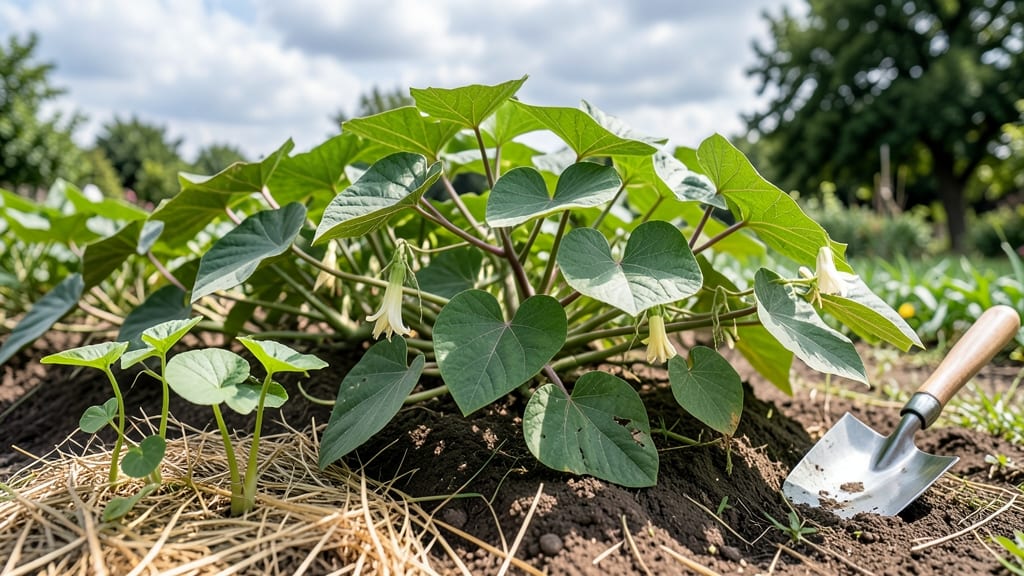
Planting sweet potatoes in Louisiana isn’t just about throwing slips into the dirt—it’s about catching that perfect window between lingering cool snaps and scorching summer heat. Miss the mark, and your crop could bolt, rot, or never even take root.
The ideal time hinges on soil temperatures, frost-free dates, and even humidity shifts that most guides overlook.
Here’s the game-changer: Louisiana’s USDA 8a-9b zones mean you’ve got a 3-month window (March to June) to plant, but not all dates are created equal. Whether you’re in New Orleans’ coastal warmth or Shreveport’s inland heat, the right timing ensures your 🍠 slips thrive instead of struggle.
Let’s break down the exact cues—soil thermometers, frost dates, and all—to guarantee a bumper harvest.
You might assume “spring” is enough, but Louisiana’s microclimates demand precision. Plant too early, and your slips could get nipped by late frosts (yes, they do happen). Too late, and you’ll miss the 90-120 day growing window before harvest season.
I’ll show you how to align your planting with local conditions—plus pro tips for soil prep and companion plants that keep pests at bay.
Ready to ditch the guesswork? By the end, you’ll know not just when to plant, but how to set your sweet potatoes up for success—from slip selection to harvest-ready tubers by fall. Let’s get growing!
Louisiana’s sweet potato planting windows by heat zone (USDA 7b-9a)
Louisiana’s humid subtropical climate creates perfect conditions for growing sweet potatoes, but your exact planting window depends on your USDA heat zone and local microclimate.
Whether you're in New Orleans (USDA 8a-9a), Shreveport (USDA 7b-8a), or Lafayette (USDA 8a), timing your plantings to avoid early frost and maximize heat is key to a bountiful harvest.
Unlike northern states, Louisiana gardeners can plant sweet potato slips as early as mid-February in southern zones or hold off until mid-April in northern zones.
The critical factor isn’t just calendar dates—it’s soil temperature (wait for 65°F+) and frost-free date calculations that vary by just 2-3 weeks across the state.
Pro Tip: Use the 5-10-15 rule—plant your first slips when the average nighttime low reaches 50°F, with daytime highs consistently above 60°F. This ensures roots establish before summer’s brutal heat arrives.
For New Orleans gardeners (USDA 8a-9a), you can start planting sweet potato slips as early as mid-February if you use row covers or plant in raised beds that warm faster. The key is ensuring nighttime temperatures stay above 55°F—any colder, and your slips will sulk or rot.
In Shreveport (USDA 7b-8a), where frosts linger slightly longer, wait until mid-March to plant. The Red River Valley microclimate here means you’ll need to harden off slips longer due to cooler nights. Use a soil thermometer—plant only when readings hit 68°F+ at 4-inch depth.
Lafayette’s Cajun Country climate falls between these extremes, but humidity plays a bigger role. Fungal diseases like black rot thrive in Louisiana’s damp air, so stagger your plantings every 2-3 weeks between March and May to spread out harvests and reduce risk.
Urban vs. Rural Tip: City gardens (like New Orleans’ French Quarter) often warm 2-3°F faster than rural areas due to the heat island effect. Test your soil temperature for 3 consecutive days before planting—if it’s consistently 65°F+, you’re ready!
For zero-frost success, calculate your frost-free date by adding 120 days to your last frost date. This gives you the earliest possible harvest window. In USDA 7b, aim for July 15 harvests; in USDA 9a, you can push to November 1.
Extend your harvest with succession planting: Plant 1/3 of your slips every 2 weeks from March to May. This ensures a continuous supply of fresh sweet potatoes from September through November—just in time for holiday feasts!
5 Critical factors that determine your planting date in Louisiana
Louisiana’s humid subtropical climate means your sweet potato planting date isn’t just about the calendar—it’s about soil temperature, humidity, and even local pests like sweet potato weevils. While most gardeners focus on frost dates (which are rare here), the real game-changer is soil warmth.
Slips need consistent 60°F+ soil to root properly, and cooler urban soils (like in Baton Rouge) may lag behind rural areas.
Urban gardeners often face delayed soil warming due to concrete and asphalt, while rural areas hit ideal temps faster. Meanwhile, humidity spikes after April can create fungal risks if you plant too early.
Ignoring these factors means your slips might rot before they even sprout. Let’s break down the 5 non-negotiable cues to nail your planting window.
Plant only when soil reaches 60°F+ at 4" depth. Use a soil thermometer—cooler urban soils (like New Orleans) may need late April plantings, while rural areas (Shreveport) can start in early March.
Louisiana’s high humidity after April increases fungal diseases. Wait until afternoon humidity drops below 70%—check local weather apps. Urban areas with microclimates (like Lafayette) may need delayed plantings to avoid rot.
These pests emerge in May. Plant before mid-April to outpace weevil populations. Rural gardens (like those in USDA 9a) face higher risks—use row covers or neem oil if planting late.
Urban soils (like New Orleans) warm 2-3 weeks slower than rural areas. Test soil in multiple spots—if your yard has shade from buildings, plant 2 weeks later than rural neighbors.
Plant every 2 weeks from March to May to spread out harvests. This works especially well in USDA 8a zones (like Lafayette), where early plantings may face late-spring humidity.
Pro tip: Black plastic mulch can warm urban soils by 5-10°F, letting you plant 2 weeks earlier in concrete-heavy areas. Just lay it down 1 week before planting to let it heat up.
For rural gardeners, focus on soil prep—sweet potatoes thrive in loamy, well-draining soil with a pH of 5.8-6.5.
If you’re in southern Louisiana (USDA 9a), aim for March 15-April 15 plantings. Northern areas (like Natchitoches) should wait until April 1-April 30 to avoid late frosts (yes, they happen!).
By aligning your planting with these 5 critical factors, you’ll skip the guesswork and enjoy bigger, sweeter tubers by fall.
Now that you’ve got the timing down, your next move is slip selection—but that’s a story for another post. Happy planting! 🍠