
Plants
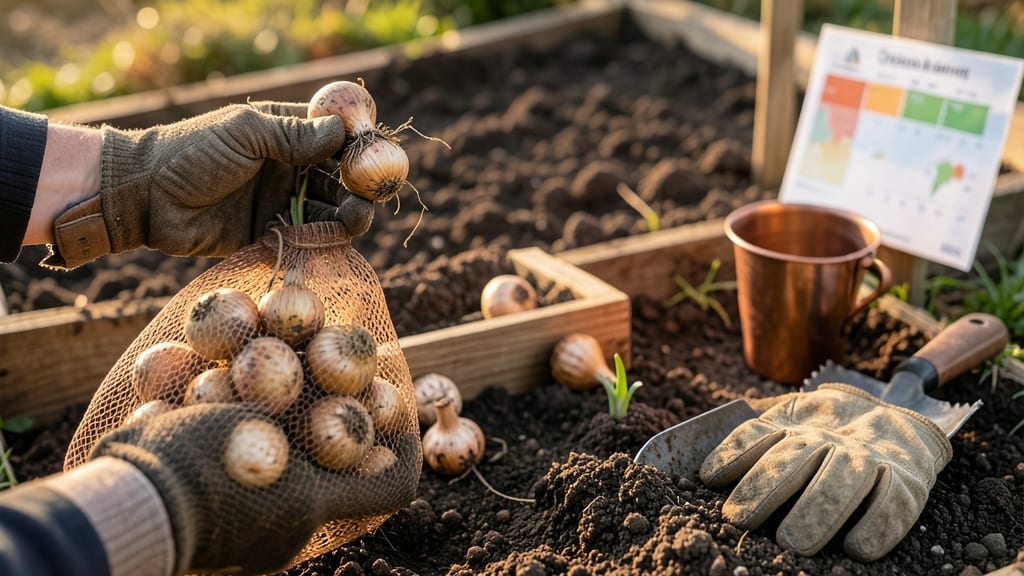
Planting your 🌷 tulip bulbs in North Carolina at the wrong time could mean watching your hard work freeze before winter—unless you time it just right.
The key to vibrant spring blooms lies in understanding your zone’s frost dates, which vary dramatically from Zone 7a’s early freezes to Zone 8b’s later winters.
For most of North Carolina, October through December is your planting window—but rushing too early or waiting too late can spell disaster. I’ll break down the exact deadlines by zone so you can plant with confidence, even when fall weather throws curveballs.
You’ll also discover how to prep your soil for success, spot the 5 critical signs your bulbs aren’t ready, and choose the best tulip varieties for your microclimate. Let’s get those bulbs in the ground before the first frost locks them out for good.
Whether you’re a first-time gardener or a seasoned pro, these actionable steps will ensure your tulips thrive—no matter where you are in the state. Ready to dig in?
North Carolina tulip planting deadlines by USDA Zone: exact fall dates for zero-frost success
North Carolina’s USDA Zones 7a-8b offer a narrow window for planting tulip bulbs—too early, and they’ll rot; too late, and they’ll freeze. The magic happens when soil temps drop to 50-60°F, signaling bulbs to root before winter dormancy.
In my Zone 7b garden, I’ve learned that missing this window by even a week can mean no spring blooms.
Your last planting deadline depends on your zone: Zone 7a gardeners must plant by mid-October, while Zone 8b can extend until early December. These dates align with the first hard frost, which typically arrives in mid-November in western NC and early December in the coastal plains.
Here’s the critical rule: Plant 6-8 weeks before the ground freezes. For most of NC, that means October through November. But don’t guess—use your frost date calculator (like the NC State Extension’s tool) to pinpoint your exact cutoff.
I’ve had years where an early November freeze caught me off guard, so I always plant by Halloween as a safety net.
Soil temperature is your best friend here. Tulip bulbs need 40-50°F soil to root without rotting. Use a soil thermometer to check—if it’s above 60°F, wait a week or two. In Zone 8a, I’ve planted as late as December 1 when soil temps were ideal, but that’s cutting it close.
Now, let’s talk microclimates. Even within NC, frost dates vary wildly. Asheville (Zone 7a) can see frost by October 20, while Raleigh (Zone 7b) might wait until November 10.
If you’re in a valley or low-lying area, plant 2 weeks earlier—cold air sinks, and those spots freeze faster.
If you’re late to the game, don’t panic. I’ve successfully planted tulips in early December by using black plastic mulch to trap heat. Just cover the bed with thick plastic after planting and remove it in late January to let light reach the soil.
This buys you 2-3 extra weeks in Zone 8a/b.
For soil prep, focus on drainage—tulips hate soggy roots. Amend heavy clay with compost or sand, and avoid fresh manure, which can burn bulbs.
I mix in bone meal (high in phosphorus) at planting time to fuel next year’s blooms. Well-draining soil is non-negotiable in NC’s rainy fall.
One mistake I see often? Planting too shallow. Bulbs need 6-8 inches of depth to survive winter. In sandy soils (common in Zone 8b), they’ll dry out—add organic matter to retain moisture. In clay soils (Zone 7a), they’ll rot—amend with perlite or coarse sand.
Finally, water deeply after planting to encourage root growth, but reduce watering as winter approaches. Overwatering in late fall can lead to rot before frost. I aim for 1 inch of water per week until the ground freezes, then let nature take over.
With these deadlines and tips, your tulips will bloom like clockwork next spring—no frost-related surprises!
5 Critical signs your North Carolina tulip bulbs aren’t ready to plant (and how to fix it)
Even if you’ve got your tulip bulbs in hand, rushing them into the ground too soon can backfire. North Carolina’s fall weather is famously unpredictable, and planting before your bulbs are truly ready often leads to rot or poor root establishment.
I’ve seen gardeners skip the prep work only to watch their tulip blooms fail the following spring.
Before you dig that first hole, check these 5 critical signs that your bulbs—and your soil—aren’t quite ready for planting. Addressing these issues now will save you from disappointed spring gardens.
⚠️ Warning: Planting Too Early or Late in NC
Soil temperature below 50°F (10°C) can stunt root growth, while waiting until after the first frost risks bulbs freezing before they establish. North Carolina’s Zone 7a-8b range means your ideal window is October 15–November 15, but soil prep is just as critical as timing.
First, inspect your tulip bulbs for any signs of sprouting or soft spots. If you see green shoots emerging from the bulb, it’s a clear sign they’ve been stored too long or in warm conditions.
These bulbs need to be planted immediately—even if it’s not yet your ideal window—to prevent the shoots from drying out or breaking.
Next, test your soil moisture. Stick your finger about 6 inches deep—if it feels damp but not soggy, your soil is ready.
However, if it’s bone-dry or waterlogged, hold off on planting. Well-draining soil is non-negotiable for tulips; poor drainage leads to bulb rot, which is a heartbreaking sight after all your prep work.
Another red flag? Your bulb storage conditions were less than ideal. Tulips need a cool, dark place (like a basement or refrigerator) with good airflow. If they’ve been sitting in a humid garage or exposed to direct sunlight, they may already be compromised.
In this case, soak the bulbs in lukewarm water for 2 hours before planting to rehydrate them.
For late starters, don’t panic—there’s still hope! If you’re planting after November 15, opt for hardier varieties like Darwin Hybrids or Fosteriana tulips, which tolerate colder soils better.
You can also plant in containers and move them to a sheltered spot if frost threatens. Just be sure to mulch heavily (3–4 inches) to insulate the soil.
Finally, if your garden soil is heavy clay or sandy, amend it with compost or peat moss to improve drainage and fertility. Tulips thrive in loamy soil with a pH of 6.0–7.0.
A simple soil test kit (available at garden centers) can confirm if your soil is ready—or what it needs before planting.