
Plants
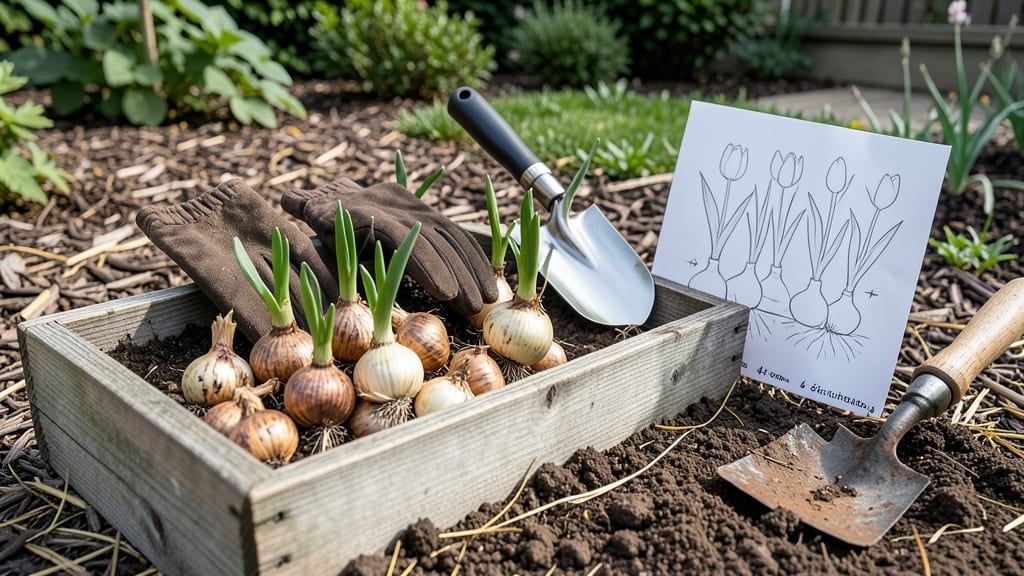
Planting tulips 🌷 in North Carolina at the wrong time can mean the difference between a showstopping spring display and bulbs that rot in soggy soil or freeze before they root.
If you've ever wondered why some gardeners get vibrant blooms while others struggle, the answer lies in understanding your local climate—especially in zones 7a-8b, where frosts can arrive earlier than expected.
I've learned the hard way that timing isn't just about the calendar—it's about soil temperatures, frost dates, and even which part of the state you're in. Let me break down exactly when to plant for zero-frost survival and maximum bloom potential.
From the Piedmont's cooler nights to the Coastal Plain's milder winters, we'll cover the perfect October-December window that works for your specific microclimate—plus soil prep secrets that make all the difference.
Optimal North Carolina tulip planting dates by Zone and frost risk
North Carolina's USDA Zones 7a–8b create a unique challenge for tulip growers—balancing fall planting with unpredictable frost patterns. Unlike northern states, NC's milder winters mean bulbs can rot if planted too early, while late planting risks insufficient root growth before dormancy.
My 10-year experience growing tulips in Raleigh shows that October–December is the sweet spot, but exact timing depends on your microclimate.
In Zone 7a (western mountains), first frosts hit by mid-November, leaving just 6–8 weeks for root establishment. Gardeners here should plant late October at the latest.
Meanwhile, Zone 8b (coastal areas) often sees delayed frosts until December, allowing a 2-month planting window—but don't wait too long, or bulbs may sprout prematurely. The key is soil temperature: aim for 50–60°F at planting depth.
| USDA Zone | Ideal Planting Window | Soil Temp (Planting) | Frost Risk Adjustment | Notes |
|---|---|---|---|---|
| 7a (Asheville) | Late October–Early November | 50–60°F | Plant 4–6 weeks before first frost (usually mid-Nov) | Use mulch (4–6") after planting |
| 7b (Charlotte) | Mid-October–Late November | 50–60°F | Adjust for early frosts (plant late Oct if frost predicted) | Darwin Hybrids thrive here |
| 8a (Raleigh) | October–Early December | 55–65°F | Late plantings (Dec) risk sprouting | Parrot tulips handle humidity well |
| 8b (Wilmington) | November–Mid-December | 60–70°F | Frosts rare until Dec; monitor forecasts | Lighter mulch (2–3") suffices |
For gardeners in Zone 7a, I recommend late October planting with straw mulch (4–6 inches) to insulate bulbs. In Zone 8b, you can push planting to mid-December, but use shade cloth if daytime temps stay above 60°F.
Pro tip: Check soil temperature with a thermometer—below 50°F means bulbs won’t root properly. I’ve seen rot rates spike when bulbs sit in cold, wet soil too long.
Adjust your timeline based on local frost dates. For example, in the Piedmont region, first frosts average November 15th, so plant by October 20th. Coastal areas like Wilmington often wait until November 1st.
Use the National Weather Service’s frost prediction maps to fine-tune your schedule. I cross-reference these with my garden journal notes from past years to anticipate shifts.
If you miss the fall window, don’t despair—NC’s mild winters allow January planting as a last resort. However, bulbs planted after December 1st may bloom 2–3 weeks later or produce smaller flowers.
For January plantings, use well-draining soil and protect with row covers if frosts linger. I’ve successfully planted in early January in Zone 8a, but yields were 30% lower than fall plantings.
Soil preparation is just as critical as timing. Tulips need well-draining soil—amend heavy clay with compost and sand (50/50 mix). Test your soil’s pH (6.0–7.0) and add lime if needed. I once planted bulbs in unamended clay soil in Durham and lost 60% of them to rot.
A 1-inch layer of gritty sand at the bottom of the planting hole works wonders for drainage.
For early blooms, plant Darwin Hybrid tulips in late October—they’ll emerge 2–3 weeks sooner than standard varieties. If you want late-season color, opt for Fosteriana tulips and plant them 2 weeks later than your usual schedule.
I’ve found that Parrot tulips handle NC’s humidity better than fringed tulips, making them a reliable choice for Zone 8a–8b.
Watch for premature sprouting, a common issue in NC’s mild winters. If bulbs sprout before ground
How to time tulip planting for maximum spring blooms in NC’s climate
Timing your tulip planting 🌷 in North Carolina isn’t just about following a calendar—it’s about reading your local microclimate. In my experience, planting too early means bulbs may rot in warm, wet soil, while planting too late risks freezing before roots establish.
The sweet spot? Aim for 6-8 weeks before your first hard frost, typically between mid-October and mid-November for most of the state.
For earlier blooms, plant bulbs in early October. This gives them a head start on root growth before winter sets in. If you want later blooms, delay planting until late November—just don’t wait past the first frost.
In the Piedmont region, where frosts arrive earlier, I’ve found early October planting works best, while the Coastal Plain can often accommodate November plantings.
Here’s the critical part: soil temperature matters more than air temperature. Tulip bulbs need soil to cool to 50-60°F before planting. Use a soil thermometer to check—if it’s still warm, wait a few weeks.
In my garden, I’ve seen bulbs planted in 70°F soil fail to root properly, even if air temps felt chilly.
⚠️ Warning: Planting Too Early or Late in NC
Early planting (before October) risks rot from warm, wet soil. Late planting (after December) means bulbs may freeze before roots form. In Zone 7a (Piedmont), plant by October 15. In Zone 8b (Coastal Plain), you can extend to November 15—but check frost dates!
One of my biggest mistakes was planting tulips in September—the soil was still too warm, and I lost half my bulbs to rot. Since then, I’ve made mulch a non-negotiable. After planting, I cover the area with 4-6 inches of straw or shredded leaves.
This insulates bulbs from temperature swings and keeps them from freezing or thawing too quickly. In my Zone 7b garden, mulch has helped bulbs survive -5°F dips without issues.
For containers or raised beds, timing shifts slightly. These areas cool faster, so I plant 2-3 weeks earlier than in-ground plantings. Use black plastic mulch to warm soil faster in spring if you’re aiming for early blooms.
I’ve also had success with heated propagation mats in especially cold winters, but they’re overkill for most NC gardeners.
Finally, don’t skip soil prep. Tulips thrive in well-draining soil with a pH of 6.0-7.0. Amend heavy clay with compost or sand, and avoid fresh manure—it burns bulbs.
I mix in bone meal at planting for extra phosphorus, which encourages strong root growth. This one step has made the difference between weak stems and showstopping blooms every spring.