
Plants
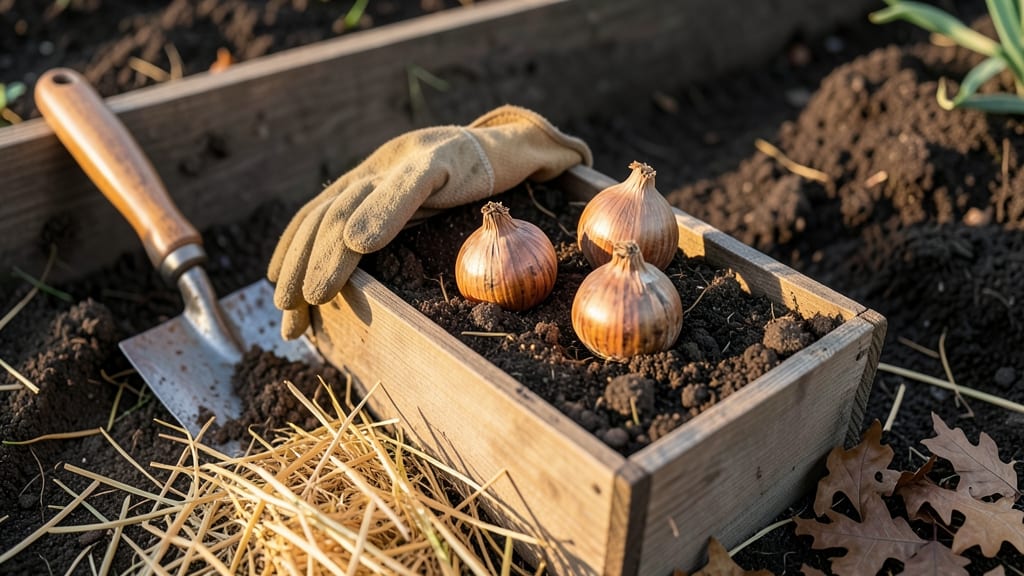
Planting tulips 🌷 in Oklahoma isn’t just about grabbing bulbs and sticking them in the ground—it’s about timing them perfectly to survive the state’s unpredictable winters.
If you wait too long, frost will zap your bulbs before they take root, while planting too early means they’ll sprout and get fried by heat. The ideal window is narrow but critical: October through November, when soil temps drop but haven’t frozen yet.
Why does this matter so much? Because Oklahoma’s USDA zones 6b-7a swing between scorching summers and sudden freezes, and tulips need that sweet spot of cool soil and chilly air to establish roots before winter sets in.
Get it right, and you’ll wake up to a garden bursting with color next spring; get it wrong, and you’ll be left with brown patches and disappointment.
I’ve learned the hard way that county heat zones play a huge role—what works in Tulsa’s milder microclimate might fail in Lawton’s harsher winters. That’s why I’m breaking down the exact frost-free timeline for your area, including soil prep tips and bulb selection tricks to ensure your tulips thrive.
Let’s make sure your garden blooms on schedule.
Ready to avoid the common mistakes? We’ll cover everything from adjusting planting dates for early frosts to recognizing the signs you’ve planted at the wrong time. With the right approach, your tulips will not only survive Oklahoma’s winters—they’ll thrive and reward you with stunning spring blooms.
Oklahoma tulip planting calendar by heat Zone (USDA 6b-8a)
Oklahoma’s USDA heat zones 6b-8a create dramatic differences in tulip planting success. In Oklahoma City (Zone 7a), your ideal window is mid-October to early November, while Tulsa (Zone 7b) gardeners can plant until late November.
Meanwhile, Lawton (Zone 7a) may need to plant as early as September to avoid early freezes. Soil temperature is the real game-changer—tulip bulbs need 40-50°F soil to root before winter sets in.
Each county’s first frost date shifts your timeline. Use the Oklahoma Mesonet to check your local averages—some areas like Altus (Zone 7b) can handle December planting, while Ponca City (Zone 6b) must plant by mid-October.
The key? Plant when daytime temps average 60°F and nights dip below 50°F consistently. This balance ensures bulbs root but don’t sprout too early.
Planting depth matters just as much as timing. In Oklahoma’s clay-heavy soils, dig 6-8 inches deep—deeper in sandy areas like Woodward (Zone 7a) to retain moisture. Space bulbs 4-6 inches apart for dwarf varieties, 6-8 inches for standard types. Pro tip: Add a 2-inch layer of compost to improve drainage in heavy clay zones like Norman (Zone 7a).
For Zone 8a areas like Miami (7b), you can push planting to December, but avoid planting after January 1st—bulbs need 6-8 weeks of cool soil to establish roots. In Zone 6b like Claremore, plant by October 15th or risk bulb rot from early snow cover.
Always check 3-4 inches below soil with a thermometer—this is your true guide, not the air temperature.
After planting, mulch heavily with 3-4 inches of straw to insulate bulbs. In windy areas like Woodward (7a), add a lightweight row cover until ground freezes.
This protects emerging shoots from late winter winds that can snap tender stems. Remember: No fertilizer until spring—bulbs need to focus on root growth, not foliage.
If you miss the fall window, try container planting—bury bulbs in pots with well-draining soil and store them in a cool garage (35-40°F) until spring.
This works for Zone 7b+ areas like Tulsa where December planting is still viable. Just plant containers in ground by March for spring blooms.
For high-altitude areas like Oklahoma’s Wichita Mountains (Zone 6b), plant 2-3 weeks earlier than your zone suggests. These areas experience colder microclimates despite being in Zone 7a. Use hardy varieties like Darwin Hybrids—they tolerate colder winters better than fancy tulips. Always
How to adjust planting time for early/late frosts in Oklahoma
Oklahoma’s frost dates can shift 2-4 weeks from year to year, so rigid planting schedules fail. In USDA Zone 6b (e.g., Oklahoma City), average first frost arrives November 15, but microclimates—like sheltered garden beds—can delay it by 10-14 days.
Meanwhile, Zone 7a areas (Tulsa) often see frost 2 weeks later. The key? Adjust your timeline based on soil temperature, not just air temperature.
Use the Oklahoma Mesonet to check your county’s frost probability. For example, Lawton (Zone 7a) has a 50% chance of frost by November 10, while Stillwater (Zone 7b) holds off until November 20.
Planting 4-6 weeks early in high-risk zones (like western Oklahoma) can mean the difference between thriving bulbs and frozen failures.
Here’s how to modify your planting window using protective techniques and historical data:
For early frosts, prioritize mulching with straw or leaves (add after planting). This insulates bulbs and maintains 50-60°F soil temps, the sweet spot for root growth. In late frost zones, opt for Darwin Hybrid tulips, which tolerate cooler springs better than traditional varieties.
Pro tip: If your area has unpredictable frost patterns (like western Oklahoma), split your planting into two batches. Plant half in late September and the other half in early November. This hedges your bets against early or delayed freezes, ensuring at least some bulbs survive.
Always monitor soil temperature, not air temperature. A soil thermometer ($10 at garden centers) is your best friend—tulip bulbs need 6 weeks of chilling at 40-50°F to flower well. If your soil stays above 60°F for too long, bulbs may sprout prematurely and get fried.
With these adjustments, you’ll beat Oklahoma’s frost quirks and wake up to vibrant tulips next spring—no brown patches in sight! 🌷