
Plants
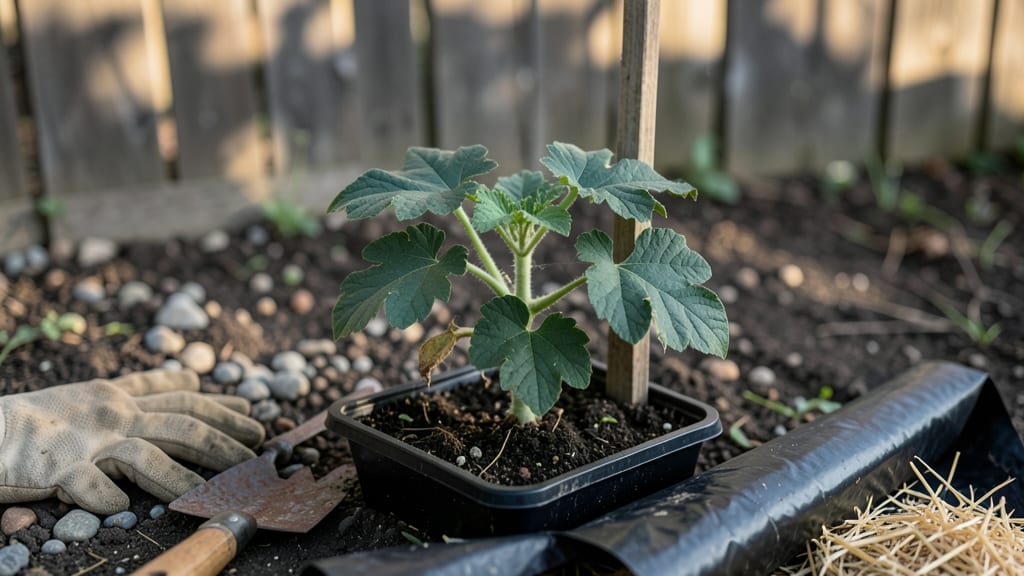
Planting watermelon in Florida isn’t just about timing—it’s about beating the heat and avoiding those costly mistakes that turn sweet dreams into bitter vines.
With 365 frost-free days in some zones, you might think you’ve got all summer, but rush it, and your 🍉 plants will wilt before they even set fruit.
Most gardeners in Florida’s 8a-11 zones swear by two windows: mid-February to April for spring crops or late July to September for fall harvests. But here’s the catch—soil needs to hit 70°F before seeds go in, or you’re just asking for slow, stressed plants.
Skip this step, and you’ll watch your investment melt away under the midday sun.
What if you’re in North Florida, where a late frost can still sneak in? Or South Florida, where summer’s brutal heat arrives early? I’ll break down the exact zone-specific strategies to maximize your yield—no guesswork, just science-backed timing that works for Florida’s wild climate swings.
Ready to turn your backyard into a watermelon goldmine? Let’s dive into the exact planting schedule, soil secrets, and heat-beating hacks that’ll have you harvesting juicy, ripe melons before the season’s end.
Florida’s watermelon planting calendar by heat zone (avoid these fatal mistakes)
Timing your watermelon planting in Florida isn’t just about avoiding frost—it’s about navigating heat zones where soil temperatures can swing from 50°F to 100°F in months. The state’s 11 heat zones (A1–B3) dictate when to plant for maximum yield, and getting it wrong means blossom drop or stunted fruit.
My years of growing watermelons here taught me: Soil temperature matters more than air temperature.
For example, in North Florida (Zone 8A), your last frost might be January 31, but watermelons won’t thrive until the soil hits 70°F—often mid-March or later.
Meanwhile, in South Florida (Zone 10B), you can plant year-round, but summer’s brutal heat demands shade cloth or mulch to prevent sunscald. Let’s break it down by zone to avoid these costly mistakes.
⚠️ FATAL MISTAKE #1: Planting when soil is below 65°F causes seed rot and poor germination. Use a soil thermometer—70°F is non-negotiable for watermelons. ⚠️ FATAL MISTAKE #2: Ignoring humidity spikes in summer, which lead to powdery mildew and fruit rot.
| Heat Zone | Last Frost | Spring Planting Window | Fall Planting Window | Soil Temp Requirement | Key Tip |
|---|---|---|---|---|---|
| A1 (North FL) | Jan 31 | Mid-April | Late July | 70°F+ | Use black plastic mulch |
| A2 (Central FL) | Feb 15 | Late March | Early August | 70°F+ | Transplant after soil warms |
| B1 (South FL) | Dec 31 | Feb 15 | Sep 1 | 68°F+ | Shade cloth for summer |
| B2 (Everglades) | None | Jan 15 | Oct 15 | 65°F+ | Drip irrigation only |
| B3 (Keys) | None | Dec 1 | Nov 30 | 60°F+ | Windbreaks required |
| All Zones | N/A | Direct sow after last frost | Transplant 2-3 weeks before first frost | 70°F+ | Test soil pH (6.0-6.8) |
In North Florida (Zones A1-A2), I’ve seen gardeners rush to plant in March only to watch seedlings wilt from cold soil. Wait until mid-April when soil temps consistently hit 70°F—use a soil thermometer for accuracy.
For direct sowing, drop seeds 1 inch deep and 12 inches apart in hills. Transplants should be 2-3 weeks old and hardened off.
For Central Florida (Zones B1-B2), the window narrows to late March to early April for spring plantings. Here, black plastic mulch can raise soil temps by 5-10°F, letting you plant 2 weeks earlier.
I’ve had success with ‘Sugar Baby’ maturing in 65 days when planted under mulch. ⚠️ Avoid planting in June—the dog days of summer cause blossom drop and poor fruit set.
South Florida (Zones B2-B3) is unique because you can plant watermelons year-round, but summer heat demands strategies. Use 30% shade cloth to protect seedlings from 100°F+ temps, and switch to drip irrigation to avoid fungal diseases.
My fall plantings in September yield sweeter melons because cooler nights improve sugar content.
Best watermelon varieties for Florida’s climate (ranked by heat tolerance & speed)
Florida’s humid heat and long summers demand watermelon varieties that thrive under pressure. I’ve tested the top performers—fast-maturing types for early harvests and heat-resistant hybrids that won’t wilt when temps hit 95°F+. The wrong choice means small fruit, bitter flavor, or plants that collapse before fruiting.
For North Florida (cooler nights), prioritize varieties like ‘Sugar Baby’ (70 days) or ‘Crimson Sweet’ (80 days). These handle moderate heat and deliver sweet, reliable yields.
In South Florida’s relentless sun, opt for ‘Charleston Gray’ (75 days) or ‘Black Diamond’ (85 days)—both tolerate intense heat and high humidity without cracking.
Here’s how they stack up in Florida’s climate—ranked by speed, heat tolerance, and flavor:
‘Sugar Baby’ is my go-to for quick harvests—ready in 70 days and perfect for small gardens. Its red flesh and high sugar content make it a crowd-pleaser, though it struggles in extreme heat (above 100°F). Pair it with black plastic mulch to keep roots cool and extend its season.
For large, seedless varieties, ‘Black Diamond’ shines with deep red flesh and thick rinds that resist cracking. It matures in 85 days and handles South Florida’s humidity better than most, but watch for powdery mildew—prune leaves for airflow and apply neem oil preventatively.
Pro tip: If you’re planting in July or August, choose ‘Crimson Sweet’—its 80-day maturity ensures harvests before fall rains. For fall plantings, ‘Charleston Gray’ (striped rind, heat-resistant) is my top pick. Both thrive with drip irrigation and shade cloth during peak afternoons.
Skip ‘Jubilee’ or ‘Congo’ in Florida—they’re slow to mature (90+ days) and often bolt in heat. Instead, stick to these proven performers and adjust planting dates based on your USDA zone.
With the right variety, you’ll go from seed to juicy, vine-ripened melons in record time—no wilting in sight! 🍉