
Plants
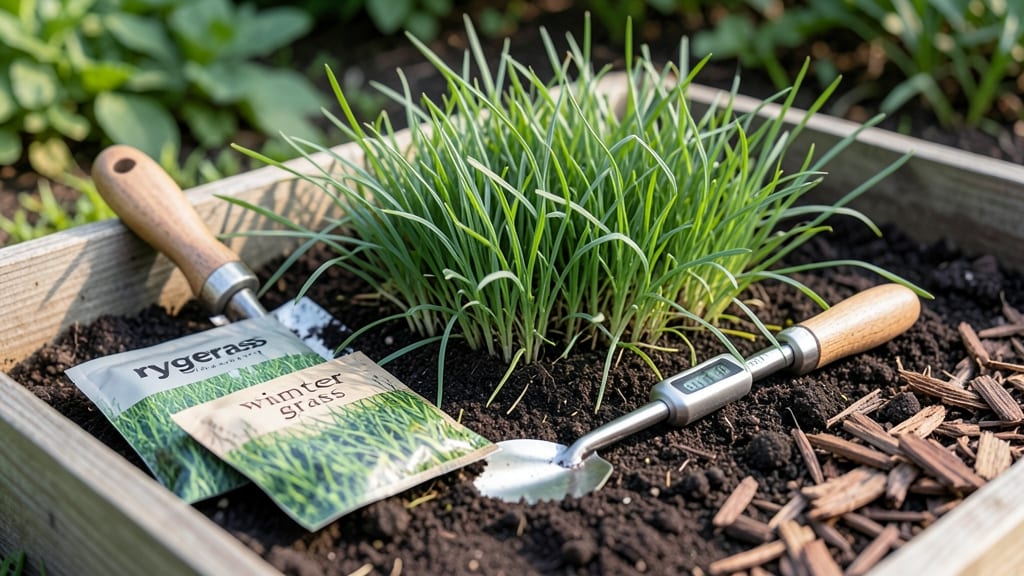
Planting winter grass in Arizona isn’t just about timing—it’s about catching that sweet spot between summer’s lingering heat and winter’s unpredictable chill.
The ideal window for cool-season grasses like ryegrass and fescue runs from September through November, when temperatures dip just enough to encourage strong root growth before summer’s return.
Why does this matter? Because Arizona’s 9b climate throws curveballs—too early, and your grass struggles with residual heat; too late, and it may not establish roots before winter’s occasional frost. I’ve seen firsthand how proper timing can transform a patchy lawn into a lush, resilient carpet by spring.
In this guide, I’ll break down the exact months to plant based on your region—whether you’re in Phoenix, Tucson, or the high desert—plus soil prep secrets and watering hacks tailored to Arizona’s dry winters. No more guesswork, just a game-changer for your lawn’s health.
Ready to skip the trial-and-error? Let’s dive into the step-by-step approach that’s worked for Arizona gardeners for years—without the overwhelm.
Best months to plant winter grass in Arizona by region
Arizona’s diverse microclimates create unique challenges for planting winter grass. The Valley of the Sun (Phoenix) and Southern Arizona (Tucson) have different temperature thresholds than Flagstaff’s high desert. Cool-season grasses like ryegrass and fescue need precise timing to establish roots before summer heat arrives.
Plant too early, and seeds may rot; too late, and seedlings struggle with heat stress.
Each region’s elevation and temperature patterns dictate the best window. For example, Phoenix’s low desert (Zone 9b) has warmer winters, while Flagstaff’s high desert (Zone 7a) can experience light frosts. Understanding these differences ensures your winter grass thrives during its critical establishment phase.
Below is a region-by-region breakdown of ideal planting months, temperature thresholds, and soil prep tips tailored to Arizona’s unique conditions. Use this guide to align your planting schedule with your local microclimate for maximum success.
🌱
| Region | Best Planting Window | Temperature Threshold | Soil Prep Tip | Key Consideration |
|---|---|---|---|---|
| Phoenix & Low Desert (Zone 9b) | Mid-September to early November | 50–75°F soil temp | Test pH (6.0–7.0); amend with gypsum if alkaline | Avoid planting after October 15—heat stress risks rise |
| Tucson & Southern AZ (Zone 9a) | Late August to mid-October | 55–70°F soil temp | Add compost to improve water retention | Monsoon rains can delay planting—plan for dry seeding |
| Flagstaff & High Desert (Zone 7a) | Early September to late October | 45–65°F soil temp | Use organic matter to insulate roots from frost | Light frosts possible—choose cold-hardy varieties |
| High Desert (Prescott, Payson) | Late August to mid-October | 50–68°F soil temp | Aerate compacted soil to improve drainage | Cooler nights extend planting window into November |
The Phoenix area has the shortest window due to its intense summer heat. Planting ryegrass or tall fescue after October 15 risks poor germination as daytime temperatures climb. In contrast, Tucson’s higher elevation allows for an extended window, but monsoon rains can complicate seed-to-soil contact.
For Flagstaff and high-desert regions, focus on September planting to avoid late-season frosts. These areas benefit from cold-hardy varieties like fine fescue, which tolerate occasional light frosts. Always check your local USDA zone for precise guidance—even within Arizona, microclimates vary dramatically.
After selecting your planting window, prioritize soil preparation. Arizona’s soils are often alkaline and nutrient-poor, so amend with compost or sulfur to adjust pH. A simple soil test (available at local extension offices) reveals whether your lawn needs gypsum, lime, or organic matter before seeding.
Once planted, maintain consistent moisture for the first 4–6 weeks. Use a light mulch layer (like straw) to retain soil moisture and suppress weeds. Avoid heavy foot traffic until the grass reaches 3–4 inches tall—this prevents soil compaction and root damage.
💧
Timing your winter grass planting correctly ensures a lush, drought-resistant lawn by spring. Whether you’re overseeding an existing lawn or establishing a new one, align your schedule with your region’s temperature patterns and soil conditions.
The key is planting when daytime highs stay below 80°F and nights dip into the 50s—this sweet spot maximizes germination and root development.
How to prepare soil and seed for Arizona’s winter grass planting
Arizona’s alkaline soils and variable rainfall demand careful preparation before planting winter grass varieties. Proper soil testing and seed treatment ensure optimal germination and root establishment. I’ll walk you through the essential steps to set your lawn up for success in the cool-season months.
First, test your soil’s pH—Arizona’s native soils often run alkaline (7.5–8.5). Cool-season grasses like ryegrass and fescue thrive in slightly acidic to neutral soil (6.0–7.0). Use a soil test kit or send a sample to your local Cooperative Extension office for precise results.
After amending your soil, focus on seed selection. Cool-season grasses like Tall Fescue and Annual Ryegrass are ideal for Arizona’s winters. For overseeding, choose fine-blade varieties to fill gaps in your existing lawn. If you’re planting from scratch, consider Bermuda grass (dormant varieties) for heat tolerance.
Pre-treating seeds with mycorrhizal fungi or a seed starter can boost germination rates by up to 30%. Soak seeds in water for 24 hours before planting to soften their outer layers. This step is especially critical in Arizona’s dry climate, where seeds can struggle to absorb moisture.
Finally, irrigate properly to avoid seed washout or drought stress. Use a drip system or soaker hoses to deliver water directly to the soil. Water lightly but frequently for the first 2–3 weeks to encourage root development.
Once seedlings reach 2–3 inches tall, gradually reduce watering to 1–1.5 inches per week.
With these steps, your winter grass will establish strong roots before Arizona’s summer heat arrives. Monitor soil moisture and adjust watering as needed—consistency is key to a lush, resilient lawn.