
Plants
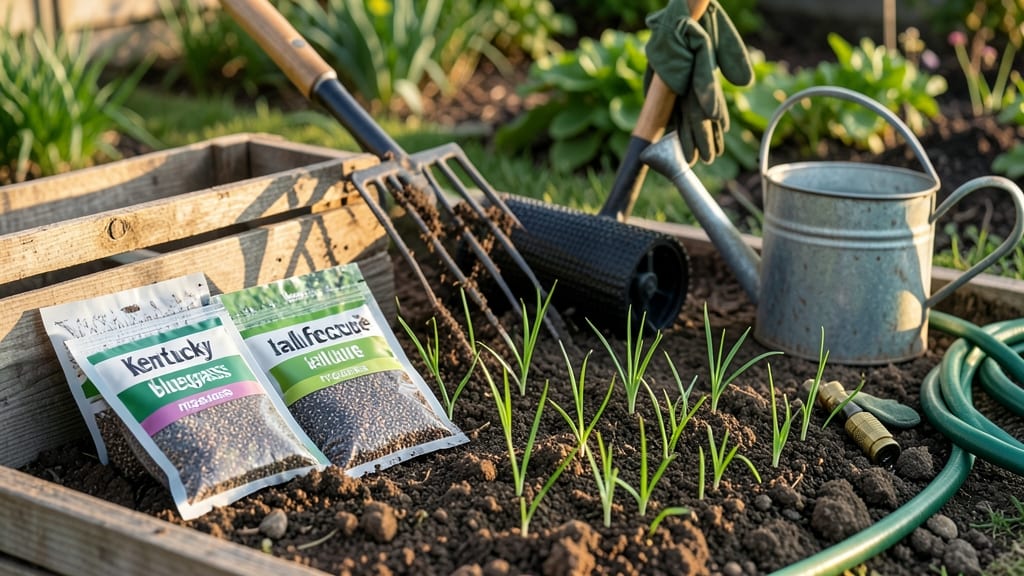
Planting grass seed at the right time in spring can transform your lawn from a patchy mess into a vibrant carpet—if you time it perfectly. The key lies in understanding your local frost dates and soil conditions, especially in Zone 6 where unpredictable weather can make or break your efforts.
Most gardeners in General (Zone 6 default) aim to plant 4-6 weeks before the last frost date, typically between early April and mid-May. But getting this wrong—like planting too early when frosts linger—can leave your seed vulnerable to damage, wasting months of work.
I’ve learned the hard way that rushing or waiting too long leads to weak germination and weed takeover. The solution? Focus on soil temperature (50-55°F) and regional adjustments—because what works in the Midwest may fail in the South’s warmer climate.
In this guide, I’ll walk you through exactly when to plant for your area, how to prep your soil, and the 3 biggest mistakes that kill grass seed before it even sprouts. Let’s get your lawn off to the best start possible!
Spring planting windows by US region: when to plant grass seed after last frost
Getting your grass seed in the ground at the right time is everything—especially when spring’s unpredictable frosts can turn your hard work into a sad, brown mess. Cool-season grasses like Kentucky bluegrass and fescue thrive when planted 4-6 weeks before your last frost date, while warm-season varieties like Bermuda and Zoysia wait until after Memorial Day when soil warms to 65°F+.
But timing isn’t one-size-fits-all: your region, microclimate, and even urban vs. rural location can shift that window by weeks.
I’ve broken down the ideal planting windows by US region, so you can match your grass type to your local climate. Urban areas often experience earlier soil warming due to pavement and buildings, while rural spots may stay cooler longer.
Let’s dive into the specifics so you can plant with confidence—and avoid the heartbreak of frost-killed seedlings.
Pro Tip: Always check your last frost date (not just the average) using the National Oceanic and Atmospheric Administration (NOAA) or your local USDA Plant Hardiness Zone. A late frost can wipe out your lawn before it even starts!
If you’re in the Northeast or Midwest, cool-season grasses like tall fescue or perennial ryegrass should hit the soil by late March or early April.
These grasses establish roots before summer heat sets in, giving them a fighting chance against weeds. Warm-season grasses like centipede or St. Augustine? Wait until after Memorial Day—planting too early means your seed will bake in the heat.
For Southern gardeners, the window is shorter but sweeter: cool-season grasses (like ryegrass) go in by late February, while Bermuda or Zoysia thrive when planted in April or May. Pro tip: Soil thermometers are your best friend here—aim for 65°F+ for warm-season types.
In the West, timing depends on elevation: mountain regions may wait until May or June, while coastal areas can plant as early as March.
Urban vs. rural makes a big difference. Cities stay 5–10°F warmer than rural areas, so warm-season grasses can go in 2 weeks earlier in pavement-heavy neighborhoods. Meanwhile, rural spots with cooler microclimates (like shaded yards or north-facing slopes) should delay planting by 1–2 weeks to avoid frost risk.
Always scout your lawn for late-spring frosts—they’re sneaky!
One critical mistake I see? Planting cool-season grass in summer or warm-season grass in fall. Both will struggle—cool-season types go dormant in heat, while warm-season grasses won’t germinate below 60°F.
Stick to the 4–6 week rule before last frost for cool-season, and soil temp checks for warm-season. Your lawn will thank you with thicker, greener growth all season.
Need a quick cheat sheet? Bookmark this: Cool-season grasses = early spring (March–April), warm-season grasses = late spring
How to calculate your local frost-free date for perfect grass seed timing
Getting your grass seed timing right starts with knowing your local frost-free date. This critical window determines when your soil warms enough for seeds to germinate—typically 4-6 weeks before the last frost.
But without precise data, you might plant too early and risk frost damage or too late and face summer heat stress. I’ll show you how to pinpoint your exact date using free, reliable tools so you can plant with confidence.
First, check your USDA Plant Hardiness Zone (most gardeners in Zone 6 plant between April 15-May 15). Then, cross-reference this with your local frost records from NOAA’s website.
These steps ensure your grass seed gets the 50-55°F soil temperature it needs to sprout consistently. Skipping this research can lead to patchy lawns or wasted seed.
Here’s my step-by-step method to calculate your frost-free date accurately:
Pro tip: Bookmark your local Cooperative Extension Service website (e.g., University of Nebraska-Lincoln for Zone 6). They publish annual planting guides with updated frost dates and soil prep tips. I’ve used theirs for years—it’s saved me from multiple failed lawns!
Once you’ve nailed your frost-free date, the next step is soil prep: loosen the top 2-3 inches of soil, remove weeds, and level the area. But timing is everything—plant too early, and frost will kill your tender sprouts; too late, and summer heat will dry them out before they establish.
By following these steps, you’ll give your grass seed the perfect 6-8 week window to germinate and grow strong before summer arrives.
Remember, even in Zone 6, spring weather can be unpredictable. If you’re unsure, err on the side of waiting—your lawn will thank you for it. With the right timing, you’ll see uniform germination and a lush lawn by early summer. Happy planting!