
Plants
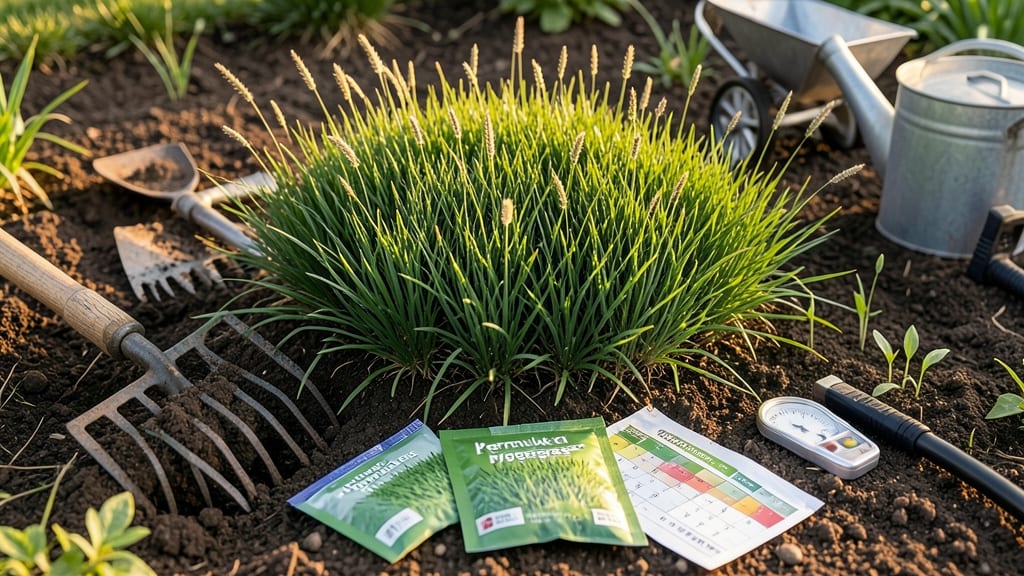
Planting grass seed in Massachusetts when is it too late to plant grass seed in the state after mid-October is risky—your lawn might not survive the winter before it even gets a chance to grow.
I’ve seen too many gardeners rush the process, only to watch their new seedlings freeze before establishing strong roots.
The key to success lies in understanding your local frost dates and soil conditions. In zones 5b-6b, you’ve got about 4-6 weeks before the first frost hits (usually around mid-October). But timing isn’t the only factor—soil temperature and rainfall play just as big a role.
If you’re debating whether to plant now or wait until spring, I’ll help you decide. We’ll cover the last safe planting windows by region, how to tell if it’s really too late, and what to do if you miss the fall window.
Let’s get your lawn off to the best possible start.
Don’t let uncertainty stop you—with the right approach, you can still get a head start on a lush, green lawn next year. The secret is knowing exactly when to pull the trigger (or when to wait).
Massachusetts grass seed planting deadlines by region (2024 guide)
Massachusetts lawns thrive when grass seed gets planted at the right time—fall is ideal for cool-season grasses like Kentucky Bluegrass and Tall Fescue. But if you missed the ideal window (late August to early September), don’t panic.
The last safe planting dates vary by region, soil warmth, and frost risk. Southern MA has more leeway, while Northern areas demand earlier action. Let’s break down your last-chance planting windows by zone, plus how to push the limits if needed.
Cool-season grasses need 4-6 weeks to establish strong roots before winter dormancy. This means planting 4-6 weeks before your first frost date—typically by mid-September for Southern MA and early September for Northern MA. But what if you’re planting in late September or October?
The answer depends on your region’s soil temperature and daylight hours. Warmer soils in Southern MA can handle late plantings better than colder Northern soils.
Here’s the key rule: Soil must stay above 50°F (10°C) for at least 4 weeks after planting. If frost hits before roots establish, your seed will die. Use this comparison-table to check your region’s last-chance dates and soil conditions.
| Region | Last Safe Planting Window | Avg. First Frost | Soil Temp. Threshold | Grass Type Fit |
|---|---|---|---|---|
| Southern MA (Barnstable, Bristol, Plymouth) | Late September - Early October | October 20-25 | 50°F+ for 4+ weeks | Tall Fescue, Perennial Ryegrass |
| Central MA (Worcester, Middlesex, Essex) | Mid-September - Late September | October 10-15 | 55°F+ for 4+ weeks | Kentucky Bluegrass, Fine Fescue |
| Northern MA (Franklin, Berkshire, Hampden) | Early September - Mid-September | October 5-10 | 60°F+ for 4+ weeks | Tall Fescue, Creeping Red Fescue |
Southern Massachusetts gardeners have the most flexibility—you can plant grass seed until early October if soil temps stay above 50°F (10°C). This region’s milder climate means Tall Fescue and Perennial Ryegrass can still establish roots before frost.
Use a soil thermometer to confirm warmth; if it drops below 50°F, germination slows dramatically.
Central Massachusetts sits in the middle, with mid-September as the cutoff. By late September, soil temps often dip below 55°F (13°C), which is risky for Kentucky Bluegrass.
If you’re planting here after September 20, opt for fast-germinating varieties like ‘Penncross’ Tall Fescue and keep seeds consistently moist with morning watering.
Northern Massachusetts demands the earliest action—early to mid-September is your last window. By late September, frost risk rises sharply, and soil temps rarely stay above 60°F (16°C). For this zone, Creeping Red Fescue is your best bet; it tolerates cooler soils and establishes slower but survives winter better.
If you’re planting in October, consider overseeding instead of full lawn renovation.
Pro tip: Check the USDA Plant Hardiness Zone Map for your exact location—some areas in Zone 6a (like the Berkshires) freeze earlier than Zone 7a (Cape Cod). Local Cooperative Extension offices also track real-time soil temps; call ahead if you’re pushing the deadline.
What if you’re already past these dates? Don’t despair—spring planting is still an option. But if you want a fall lawn, focus on soil prep now. Aerate, add compost, and test pH to give next year’s seed a head start.
And if frost hits before germination? Try winter overseeding with a winter blanket to protect tender shoots.
Timing matters, but soil prep and seed choice can stretch your planting window. Use this guide to decide: Is it worth the risk to plant late, or should you wait for spring? Your lawn’s future depends on it. 🌱
How to tell if it’s Really Too Late (And What to Do Next)
You’ve got grass seed in hand, but your calendar says it’s late October. Now what? The first sign it’s too late to plant is when your soil temperature drops below 50°F (10°C) for more than a few days.
At this point, seeds struggle to germinate, and any sprouts won’t develop strong roots before winter. Even if your local forecast shows mild weather, a single hard frost can kill tender seedlings overnight.
Another red flag: daylight hours dropping below 10 hours per day. Grass seed needs 10+ hours of daylight to germinate properly. By late October, Massachusetts averages just 10.5 hours of daylight—cutting it close for most cool-season grasses.
If you’re planting in Northern MA, where days are shorter, germination rates plummet even faster.
Don’t ignore rainfall patterns either. If your area is experiencing drought conditions or heavy rain, seeds may either dry out or suffocate. Check your local National Weather Service for extended forecasts—consistent below-freezing nights are the final nail in the coffin for late plantings.
⚠️ Warning: Planting After the First Frost is a Gamble
Never plant grass seed after your first frost date—even if daytime temps stay above freezing. Frost kills seedlings by rapidly changing moisture in cells, causing irreversible damage. In Massachusetts, frost can arrive as early as October 5 in Northern MA and as late as October 25 in Southern MA. If you’re unsure, check the USDA Plant Hardiness Zone Map or call your local Cooperative Extension office for real-time updates.
Common mistake: Assuming winter ryegrass or annual ryegrass can survive late plantings. While these grasses germinate faster, they still need 4-6 weeks of warm soil to establish. Planting in November or December? Your seeds will just rot in the cold, wet soil.
If you’re still unsure, test your soil with a soil thermometer. Dig 4 inches deep and check temps at midday and evening. If readings consistently fall below 50°F (10°C), it’s time to pivot.
For Southern MA, aim for early October as your absolute deadline. In Central MA, mid-September is the cutoff, and Northern MA gardeners should stop by early September.
So what’s your backup plan if it’s too late? Start with overseeding—spreading seed over existing grass to fill thin patches. Use fast-germinating varieties like Penncross Tall Fescue and cover seeds with straw mulch to insulate them.
Alternatively, winterize your lawn now: aerate, top-dress with compost, and apply a light nitrogen fertilizer to strengthen roots before spring.
If you’re committed to a full lawn renovation, shift focus to spring planting. Start prepping now by testing soil pH and removing weeds. Mark your calendar for early April—this gives you a full growing season before winter.
And if you’re in Zone 6a, consider warm-season grasses like Bermuda grass for summer planting, though they won’t survive our winters.
Remember: Patience pays off. A well-timed spring planting beats a half-hearted late fall attempt every time. Your lawn will thank you next summer with thick, vibrant growth—no matter how late you started. 🌱