
Plants
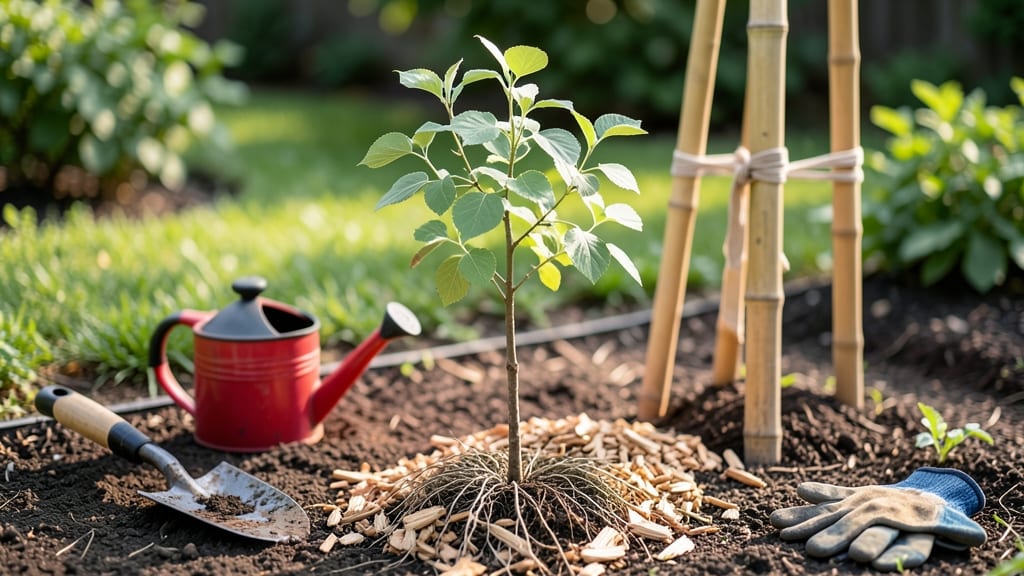
When is the best time to plant a tree in Colorado? It isn’t just about picking a random weekend—it’s about choosing the perfect window to give your 🌳 the best shot at thriving in our unique climate.
Get the timing wrong, and you might be waiting years for strong roots and lush foliage, especially with Colorado’s unpredictable frost dates and dry soil.
Most gardeners assume spring is the only option, but fall actually offers a critical advantage for root establishment before winter sets in. Whether you're in the Front Range or Western Slope, understanding these seasonal rules can mean the difference between a struggling sapling and a healthy, mature tree.
I’ll break down exactly why late winter to early spring (March-April) and fall (September-October) are your best bets—and how to adjust for Colorado’s microclimates. No more guesswork, just science-backed timing to set your tree up for success.
Ready to plant with confidence? Let’s dive into the optimal seasons, regional adjustments, and pro tips that’ll have your tree growing strong in no time.
Colorado’s ideal tree planting seasons: spring vs fall explained
Colorado’s dry climate and variable elevations make timing critical for successful tree planting. Unlike warmer regions, spring and fall offer the best windows because they align with soil moisture and temperature stability.
In spring, trees benefit from warmer soil and increasing daylight, while fall allows roots to establish before winter dormancy. The Front Range and Western Slope have different ideal planting windows due to microclimates and frost patterns.
Understanding these seasonal cues is key. For example, aspen trees planted in late spring (May) may struggle with summer drought, while pine trees thrive when planted in early fall (September) to avoid winter desiccation.
The USDA hardiness zones 5-7 across Colorado further refine when to plant, with higher elevations requiring earlier fall planting.
Soil temperature plays a pivotal role. Trees need consistently warm soil (above 40°F) to establish roots. In spring, this typically occurs by mid-April in Denver, but 2-4 weeks later in Grand Junction due to lower elevations.
In fall, aim to plant 4-6 weeks before the first frost (usually mid-October in most regions) to allow root growth before dormancy.
| Factor | Spring Planting (March-April) | Fall Planting (September-October) |
|---|---|---|
| Soil Temperature | 40-60°F (warms quickly) | 50-65°F (cools gradually) |
| Moisture Availability | Moderate (spring rains + snowmelt) | High (fall rains + reservoir) |
| Root Establishment | Fast (active growth phase) | Slow but steady (pre-winter prep) |
| Best For | Bare-root trees (dormant) | Container-grown trees (established roots) |
| Risk Factors | Late frost damage, summer drought | Early frost, winter desiccation |
| Ideal Regions | Front Range (Denver, Boulder) | Western Slope (Grand Junction, Durango) |
Spring planting in Colorado offers rapid root growth because trees enter their active growth phase as temperatures rise. However, planting too early (before late March) risks late frost damage to tender new shoots.
For deciduous trees like maple or oak, aim for April when soil is workable and frost risk has passed. Evergreens, such as pine or spruce, should wait until May to avoid winter burn.
Fall planting, on the other hand, gives trees 6-8 weeks to establish roots before dormancy. This is especially critical in dry climates like Colorado’s, where summer water stress can stunt growth.
Planting in September ensures roots grow deep enough to access moisture reserves during winter. In high-elevation areas (e.g., Fort Collins), shift planting to late August to avoid early snow.
The Western Slope has a shorter growing season and hotter summers, making fall planting the preferred choice.
Regions like Grand Junction (USDA Zone 6) can plant as late as mid-October, while Telluride (Zone 5) should finish by early September. Front Range cities like Denver have more flexibility, with spring and fall both viable, but fall often yields healthier trees due to cooler temperatures and higher humidity.
For container-grown trees, fall planting is ideal because their roots are already established. These trees can handle transplant shock better and continue growing until first frost. Bare-root trees, however, should be planted in early spring (March-April) to avoid dormancy stress.
Always check the root flare—it should sit 1-2 inches above soil level—to prevent girdling or rot.
One critical mistake is ignoring soil moisture during planting. Colorado’s clay-heavy soils in the Front Range can become waterlogged in spring, while sandy soils on the Western Slope dry out quickly. Amend soil with compost
How to choose the perfect planting window in Colorado’s microclimates
Colorado’s diverse landscapes—from the Denver metro area to the high plains and mountain foothills—create unique planting windows for trees. The USDA hardiness zones 5-7 across the state mean frost dates vary dramatically, forcing gardeners to adapt their schedules.
For example, elevation changes can shift frost dates by weeks, so what’s ideal in Fort Collins may not work in Grand Junction.
To simplify, focus on two optimal windows: late winter to early spring (March-April) and fall (September-October). Spring planting lets trees establish roots before summer heat, while fall gives roots time to grow before dormancy. But timing isn’t one-size-fits-all—your local microclimate dictates the exact dates.
Here’s how to adjust your schedule based on Colorado’s regions, using frost dates and soil conditions as your guide. This summary-table breaks down the best months for each area, so you can plant with confidence.
| Region | Spring Window | Fall Window | Key Consideration |
|---|---|---|---|
| Denver Metro (Zone 5b-6a) | Late April - Early May | Mid-September - Early October | Wait for soil temps >40°F |
| Front Range Foothills (Zone 6a-7a) | Early April - Mid-May | Late September - Mid-October | Higher elevation = later frost |
| Western Slope (Zone 5a-6b) | Mid-April - Late May | Early October - Early November | Drier soil = deeper watering |
| High Plains (Zone 5a-5b) | Late March - Early April | Mid-September - Early October | Wind exposure = mulch heavily |
For spring planting, aim to get trees in the ground 2-4 weeks before your last frost date. In Denver, that’s typically late April, but in Grand Junction, you might wait until mid-May.
Always check soil temperatures—roots struggle below 40°F. Use a soil thermometer to confirm conditions are right.
Fall planting offers a 6-8 week window before the first frost. In Zone 6a (like Colorado Springs), this means mid-September to early October. The goal is to let roots establish before dormancy kicks in. If you plant too late, young trees may not harden off properly for winter.
Pro tip: Container-grown trees can handle fall planting better than bare-root varieties, which need to be planted while dormant. For high-altitude areas (like Vail or Leadville), push planting to late May or early June to avoid early snow.
Adjust your schedule based on elevation—every 1,000 feet up delays planting by about 1 week.
🌳