
Plants
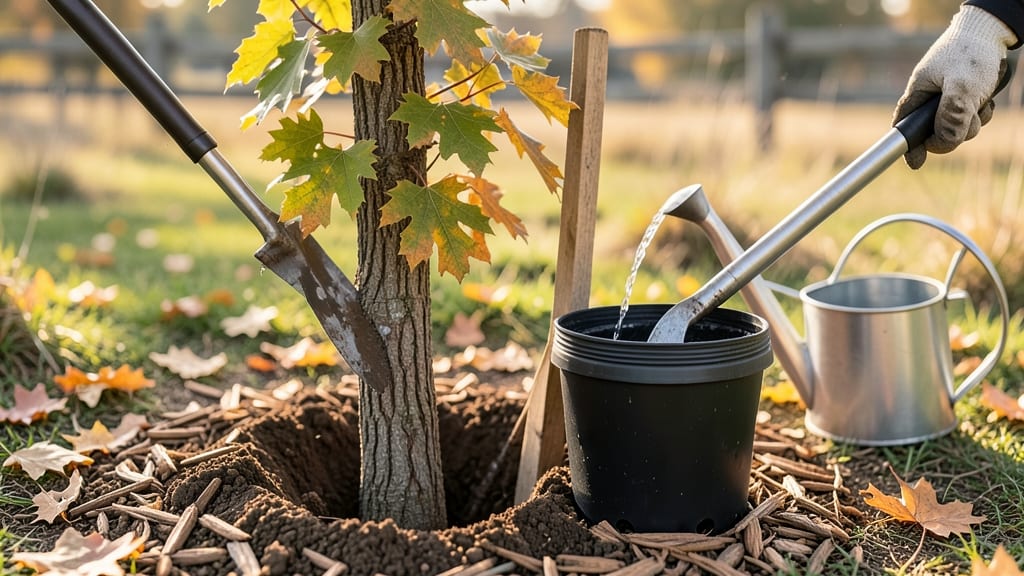
Planting a tree in Iowa at the best time could mean the difference between a thriving canopy and years of frustration.
The when is the best time to plant a tree in Iowa isn’t just about avoiding frost; it’s about giving roots a fighting chance in Iowa’s 5a-5b climate, where soil warmth and moisture levels make all the difference.
Most gardeners assume spring is the only option, but fall actually offers a quieter, often overlooked window for success. By understanding your county’s last frost date (usually around April 15), you can align planting with soil temperatures that encourage root growth without stressing the tree.
Let’s break down the science behind Iowa’s two prime planting seasons—and why timing matters more than you think.
Whether you’re planting a fast-growing oak or a delicate evergreen, the key lies in soil prep, watering schedules, and avoiding extreme heat or cold. I’ll walk you through the exact steps to prepare your site, from testing pH levels to spacing young trees for long-term health.
No guesswork—just proven methods tailored to Iowa’s unique growing conditions.
Ready to get started? You’ll leave here knowing not just when to plant, but how to set your tree up for decades of strong growth—no matter which season you choose. Let’s dig in.
Iowa’s optimal tree planting window: soil temperature & frost-free guidelines
Iowa’s USDA zones 5a-5b create a unique challenge for tree planting—too early and roots freeze, too late and summer heat stresses young trees. The perfect window balances soil warmth (above 40°F) with low frost risk.
Most Iowa gardeners succeed with two ideal seasons: early spring (April) and fall (October), when trees enter dormancy before winter.
For bare-root trees, timing is critical—plant them when soil thaws but before buds swell in spring, or after leaves drop in fall. Container-grown trees offer more flexibility but still need mild temperatures and moist soil.
A soil thermometer ($10 at garden centers) becomes your best friend to confirm readiness.
Here’s your Iowa planting timeline with soil temp and frost-free guidelines:
Iowa’s average last frost date hovers around April 15, but this varies by county. Check your local frost-free window using the Iowa State University Extension’s frost calculator (link in resources below).
For northern Iowa (zone 5a), aim for May 1 as a safer spring cutoff, while southern Iowa (zone 5b) can plant as early as April 1.
Fall planting gets trickier—October 1-15 is ideal, but soil temps must stay above 50°F for roots to establish. Use a soil thermometer to test 6 inches deep (root zone). If temps drop below 40°F, roots may freeze before winter dormancy sets in.
For evergreen trees (like spruce or pine), fall planting is riskier due to winter desiccation. Plant them in early fall (September) or late spring (May) instead. Deciduous trees handle fall planting better—they’ve already dropped leaves by October, reducing water loss.
Pro tip: Mulch heavily (3-4 inches of wood chips) after planting to insulate roots. In spring, remove mulch 2-3 inches from the trunk to prevent rot. Water deeply once a week for the first year, aiming for 10-15 gallons per tree to encourage deep root growth.
Ever wondered why your neighbor’s tree thrived while yours struggled? Timing is often the culprit. Planting in Iowa’s shoulder seasons (spring/fall) gives roots 6-8 weeks to establish before extreme weather hits. Skip summer planting—90°F+ soil temps can cook young roots in 24 hours.
Need a quick reference? Bookmark these Iowa-specific resources: - ISU Extension Frost Dates (by county) - USDA Plant Hardiness Map (for zone-specific picks) - Local nursery soil tests (pH affects root growth) 🌳
How to prepare Iowa soil for tree planting: a month-by-month checklist
Iowa’s clay-heavy soils and unpredictable weather make proper preparation the key to tree success. Whether you’re planting a bur oak or a sugar maple, your month-by-month checklist should focus on soil testing, amendments, and avoiding planting during extreme drought or heavy rains.
Let’s break down the essential tasks to give your tree the best start.
Start by testing your soil pH—most Iowa trees prefer a range of 6.0 to 7.5. If your soil is too acidic or alkaline, you’ll need to amend it with lime or sulfur before planting.
Iowa’s USDA Zone 5a-5b climate also means you’ll need to adjust your timeline based on last frost dates (typically mid-April) and first frost (mid-October).
Here’s your month-by-month checklist to prepare Iowa soil for planting:
- 1 March: Test soil pH and begin loosening compacted areas with a broadfork. Add compost or aged manure to improve drainage in clay soils.
- 2 April: Plant bare-root trees as soon as soil reaches 50°F. Avoid planting if heavy rains are forecasted for the next 24 hours.
- 3 May-June: Mulch with 3-4 inches of wood chips and water deeply once a week. Avoid fertilizing if soil is still cold.
- 4 July-August: Monitor for drought stress. Water container-grown trees if rainfall is less than 1 inch per week. Avoid planting new trees during extreme heat.
- 5 September: Plant container-grown trees before first frost. Amend soil with composted leaves to improve winter moisture retention.
- 6 October-November: Apply winter mulch (6-8 inches) around tree base. Avoid fertilizing to prevent new growth before dormancy.
Every Iowa gardener should have these essential tools on hand: a soil pH test kit, broadfork, shovel, wheelbarrow, and mulching materials. Clay soils, common in Iowa, benefit from gypsum or sand amendments to improve drainage.
Always water deeply after planting to encourage root growth into the surrounding soil.
Timing is critical—avoid planting during drought conditions or when soil temperatures exceed 85°F, as both can stress young trees. By following this checklist, you’ll give your tree the best chance to establish strong roots before Iowa’s harsh winters or summer heat set in.