
Plants
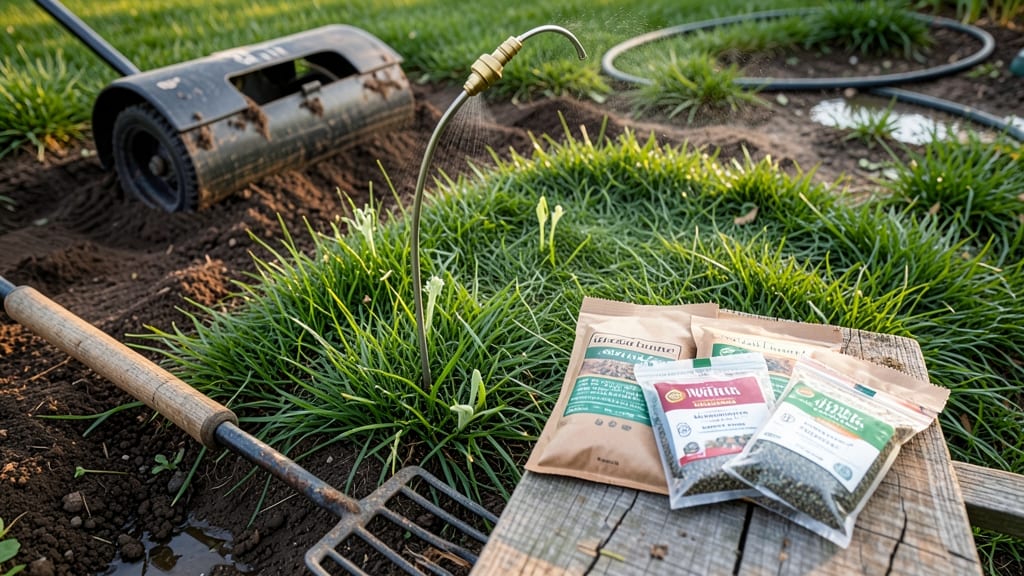
When is the best time to plant grass in Michigan? It isn’t just about grabbing seed and scattering it—it’s about catching that narrow frost-free window when your 🌱 lawn stands the best chance to thrive. With USDA zones 5b-6b bringing unpredictable swings between 30°F and 80°F, timing matters more than most gardeners realize.
Most Michigan lawns fail not because of poor seed quality, but because they're planted too early when soil stays cold or too late when summer heat stresses young roots. The secret?
Waiting until the ground warms to at least 55°F—typically mid-April in southern Michigan or late May in the Upper Peninsula—and giving your grass 6 weeks before summer's first heatwave.
In this guide, I'll break down exactly when to plant—whether you're in Detroit's early spring or Marquette's delayed season—and how to use simple soil tests to avoid common mistakes. You'll learn which grass varieties germinate fastest in Michigan's climate and how to extend your planting window with frost protection.
Ready to skip the guesswork and grow a lawn that survives Michigan's extremes? Let's get started with the best planting strategies tailored to your region.
Michigan’s ideal grass planting window by region: frost dates & soil warmth rules
Michigan’s three distinct climate zones mean your grass planting window can vary by 4-6 weeks depending on whether you’re in Detroit (Zone 6a), Lansing (Zone 5b), or Marquette (Zone 4b).
Cool-season grasses like Kentucky bluegrass thrive when soil hits 55°F+, but warm-season options like Bermuda grass need 65°F+—and Michigan’s unpredictable springs make timing everything.
Most gardeners in Michigan follow the 6-week rule: plant 4-6 weeks before the average last frost date to give seeds time to germinate before summer heat arrives. For fall planting, aim for 6-8 weeks before the first hard frost (typically mid-October in most regions).
Here’s the breakdown by region—plus how to test soil warmth and adjust your schedule if Mother Nature throws a curveball.
🌱 Pro Tip: Use a soil thermometer ($10 at garden centers) to confirm warmth. Stick it 4 inches deep—that’s where grass roots will grow.
| Region | USDA Zone | Avg. Last Frost | Avg. First Frost | Ideal Planting Window | Soil Temp. Threshold | Best Grass Types |
|---|---|---|---|---|---|---|
| Southern MI (Detroit) | 6a (-5°F to 5°F) | April 15-20 | October 15-20 | April 1 - May 15 or September 1 - 20 | 55°F+ (spring) / 60°F+ (fall) | Kentucky bluegrass, Tall fescue, Fine fescue |
| Central MI (Lansing) | 5b (-15°F to -10°F) | April 25 - May 5 | October 5-10 | April 15 - May 20 or August 25 - Sept 15 | 55°F+ (spring) / 58°F+ (fall) | Tall fescue, Perennial ryegrass, Zoysia |
| Northern MI (Marquette) | 4b (-25°F to -20°F) | May 10-15 | September 20-25 | May 1 - 15 or August 15 - Sept 10 | 58°F+ (spring) / 60°F+ (fall) | Fine fescue, Creeping red fescue, Bermuda (warm-season) |
| 🔥 CRITICAL: Plant cool-season grasses when soil is 55°F+—waiting for 60°F+ delays germination by 1-2 weeks. | ||||||
If you’re in southern Michigan (Detroit area), you can start as early as late March for hardy varieties, but central and northern regions should wait until soil warms in late April or early May.
The 6-week window ensures seeds germinate before summer heat stresses them—or before fall frosts stunt growth.
Warm-season grasses like Bermuda or zoysia need to wait until soil hits 65°F+, which typically happens in late May or June in Michigan. These grasses won’t germinate in cool soil, so don’t waste seed on early planting.
For fall planting, focus on early September in southern Michigan and mid-August in the north. This gives grass 6-8 weeks to establish roots before winter dormancy. Use a soil thermometer to confirm 58°F+—cooler temps slow root growth.
🌡️ Soil Warmth Hack: Test warmth by pressing your hand 2-3 inches deep—if it feels warm to the touch (like a hot cup of tea), it’s ready for seeding. If it’s cool like a fridge, wait 1-2 weeks.
Michigan’s USDA Zone 5/6 guidelines are your best friend, but microclimates (like south-facing slopes or raised beds) can warm 2-5°F faster than surrounding areas. Use these spots to extend your planting window by 10-14 days in chilly springs.
Finally, avoid planting when frost is forecasted within 5 days—young grass won’t survive. Check the National Weather Service or Michigan State University Extension for local frost alerts.
How to test soil warmth & adjust planting for Michigan’s unpredictable springs
Michigan’s spring weather can swing from freezing nights to 80°F days in a week, making it tricky to nail the perfect grass planting time. The key to success? Soil temperature—not just air temperature.
Cool-season grasses like Kentucky bluegrass need soil at least 55°F to germinate properly, while warm-season grasses like zoysia thrive at 65°F+. Without testing, you risk planting too early and getting frost damage or too late and missing the optimal window.
Most Michigan gardeners wait until mid-April to early May in southern regions, but northern areas like Marquette often push planting to late May or early June.
The trick is to monitor soil warmth daily—especially if you’re planting cool-season grass, which can germinate in cooler soil but grows slower when stressed by heat. A simple soil thermometer (just $10 at garden centers) solves this guessing game.
Before diving into tools, here’s the biggest mistake I see: relying on air temperature instead of soil warmth. A sunny 70°F day can hide 45°F soil—perfect for freezing young grass roots.
Always check soil temp 1 inch deep, where seeds will germinate. This small step can mean the difference between a thick, weed-free lawn and a patchy, weed-infested mess.
⚠️ callout warning⚠️ Michigan’s Late Spring Trap
Don’t fall for the "early April planting" advice flooding social media—90% of Michigan lawns planted before May 1st fail due to late frosts. Even if your neighbor plants early, their south-facing slope or raised bed warms faster than your shady yard. Test your soil for 3 days in a row before planting; if temps dip below 50°F at night, wait another week.
Pro Tip: Use a frost cloth (like Agribon) to extend your window by 2-3 weeks in chilly springs. Lay it over seeded areas at night and remove by midday.
For a no-tool solution, try the "hand test": Press your hand into the soil for 5 seconds. If it feels warm but not hot (like a lukewarm bath), it’s likely 55-65°F—ideal for cool-season grass.
If it’s cold to the touch, wait 1-2 weeks. This method works surprisingly well, though a $15 soil thermometer gives you precise data for large lawns.
Extended planting windows are possible with micro-climates. A south-facing slope warms 3-5 days earlier than flat ground, while raised beds heat up faster due to less soil mass. If your yard has shady spots, opt for tall fescue, which tolerates cooler soil better than Kentucky bluegrass.
For heat-loving Bermuda grass, wait until soil hits 70°F+—usually late May in most of Michigan.
Finally, keep this Michigan-specific checklist handy if your spring drags on: ☑ Soil temp consistently above 55°F for 5+ days ☑ Nighttime temps staying above 45°F ☑ No frost predicted in the next 7-10 days ☑ 6+ weeks left before summer heat (to avoid drought stress) If you’re missing any of these, wait—your grass will thank you with deeper roots and fewer weeds.