
Plants
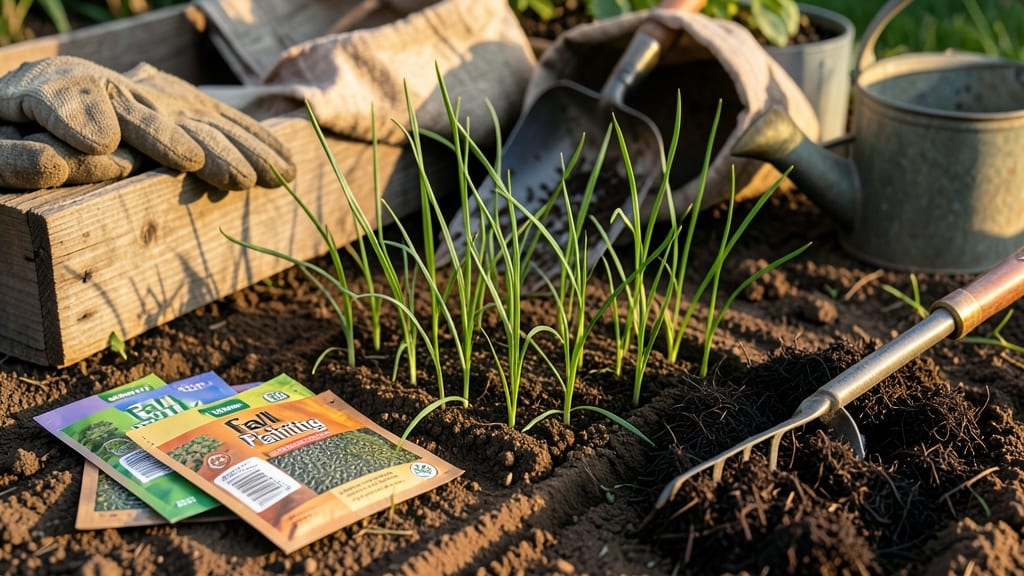
Planting grass in the fall can give your lawn a fast start next spring—but getting the timing right makes all the difference. Too early, and frost will slow growth; too late, and roots won’t establish before winter.
The key is planting 4-6 weeks before your first frost, when soil temps hover around 50–65°F for optimal germination.
For most of the U.S., that window falls between mid-September and early October, but your exact timing depends on your USDA Zone 6a climate. Cool-season grasses like fescue and ryegrass thrive in these conditions, while warm-season varieties need a different approach.
Let’s break down the best strategies to ensure your 🌱 grass takes root before the cold sets in.
Why does fall planting work so well? Because cooler temps reduce weed competition, and roots grow steadily without the stress of summer heat. With the right soil prep and watering schedule, you’ll see thicker, greener grass by next spring—no guesswork needed. Here’s how to nail it.
From soil temperature tricks to regional adjustments, I’ll walk you through everything you need to know. Whether you’re seeding a new lawn or overseeding an existing one, these tips will help you avoid common mistakes and get the best possible results. Let’s get started!
Optimal fall grass planting timeline by region and soil temperature
Timing your fall grass planting correctly ensures strong root development before winter dormancy. The key is planting when soil temperatures hover between 50–65°F, allowing seeds to germinate without stalling growth.
In northern climates, this typically means late August to early October, while southern regions can extend planting into November. Understanding your USDA hardiness zone and local frost dates is essential for success.
For cool-season grasses like fescue and ryegrass, aim to plant 4–6 weeks before the first frost. This window gives roots time to establish before winter slows growth. Warm-season grasses like Bermuda or Zoysia, however, should be planted in early spring or late summer—fall planting isn’t ideal for them.
Always check your local frost dates and adjust accordingly.
Here’s how to determine your perfect planting window based on soil temperature and region:
Microclimates—like urban heat islands or shaded areas—can shift your ideal planting window by 1–2 weeks. For example, a south-facing slope may stay warmer longer, allowing later planting, while shaded spots might need an earlier start. Use a soil thermometer to verify conditions before planting.
Adjust your timeline if unseasonable weather occurs. A sudden cold snap in September? Delay planting until temperatures stabilize. Conversely, a warm October might extend your window. Always prioritize soil temperature over calendar dates—seeds won’t germinate if the ground is too cold.
For cool-season grasses, focus on root establishment rather than rapid top growth. Reduce fertilizer use in late fall to avoid promoting tender new growth that frost can damage. Instead, use a light application of phosphorus to strengthen roots.
If you’re in a transition zone (Zone 7–8), consider planting tall fescue or ryegrass in early September. These varieties tolerate cooler soils and provide a 30–50% faster spring green-up compared to spring planting. Test your soil’s pH and nutrient levels beforehand—ideal ranges are 6.0–7.0 for most grasses.
Remember: Fall-planted grass can emerge 2–3 weeks earlier in spring than spring-planted grass, giving you a competitive edge against weeds. With the right timing and soil prep, your lawn will be lush and resilient by next summer.
5 Soil temperature tricks to speed up grass root growth in fall
Once you’ve nailed the ideal planting window, optimizing your soil temperature is the next critical step for fast root establishment. Cool-season grasses like tall fescue and ryegrass thrive when soil temps stay between 50–65°F, but small tweaks can accelerate growth by up to 30%.
The key is creating an environment where roots grow deep and strong before winter dormancy—here’s how.
First, use a soil thermometer to check temps at 4-inch depth (where most roots develop). If temps drop below 50°F, seeds may struggle to germinate. For faster results, warm the soil naturally by removing shaded mulch or using black plastic mulch for 1–2 weeks before planting.
This simple trick can raise soil temps by 5–10°F, giving seeds the perfect kickstart.
Here’s how to maximize root growth with 5 proven soil temperature tricks:
-
1. Mulch Strategically
Apply straw mulch (1/4 inch thick) after planting to insulate soil and retain 50–65°F temps. Avoid thick layers—too much can smother seeds. Straw also blocks weeds, reducing competition for nutrients. -
2. Water at the Right Time
Water early morning (6–9 AM) to warm soil through evaporation. Avoid evening watering—cool nights can drop temps too fast. Aim for 1–1.5 inches per week to keep soil consistently moist. -
3. Use Organic Amendments
Mix in compost or peat moss to improve soil structure and warmth retention. These amendments raise soil temps by 3–5°F while adding essential nutrients. Avoid fresh manure—it can overheat soil and burn seeds. -
4. Plant on Warmer Microclimates
Choose south-facing slopes or paved areas (which radiate heat) for planting. These spots stay 5–10°F warmer than shaded lawn areas. If your yard lacks natural warmth, use landscape fabric under mulch to trap heat. -
5. Avoid Over-Fertilizing
Skip high-nitrogen fertilizers in late fall—they promote top growth at the expense of roots. Instead, use a low-phosphorus fertilizer (5-10-10) to encourage deep root development without tender new shoots.
For transition zones (Zone 7–8), combine these tricks with a warmth blanket (a thin layer of bubble wrap under mulch) to extend the growing season. This method can push your planting window 2 weeks later without risking frost damage.
Always monitor soil temps weekly—if they dip below 45°F, delay planting until conditions improve.
One of my favorite fall planting hacks is using a DIY soil warmer: Bury a black plastic bottle filled with warm water near the planting area. The heat radiates into the soil for 24–48 hours, giving seeds a temporary boost.
Pair this with daily mulch checks to ensure temps stay ideal. With these tricks, your grass roots will establish 2–3 weeks faster than average, setting your lawn up for a lush spring.
Remember: Root depth is your goal, not speedy top growth. Focus on keeping soil temps stable and moist—this ensures your grass survives winter and rebounds quickly in spring. Test your soil’s pH (6.0–7.0) and moisture retention before planting, as these factors directly impact root development.