
Plants
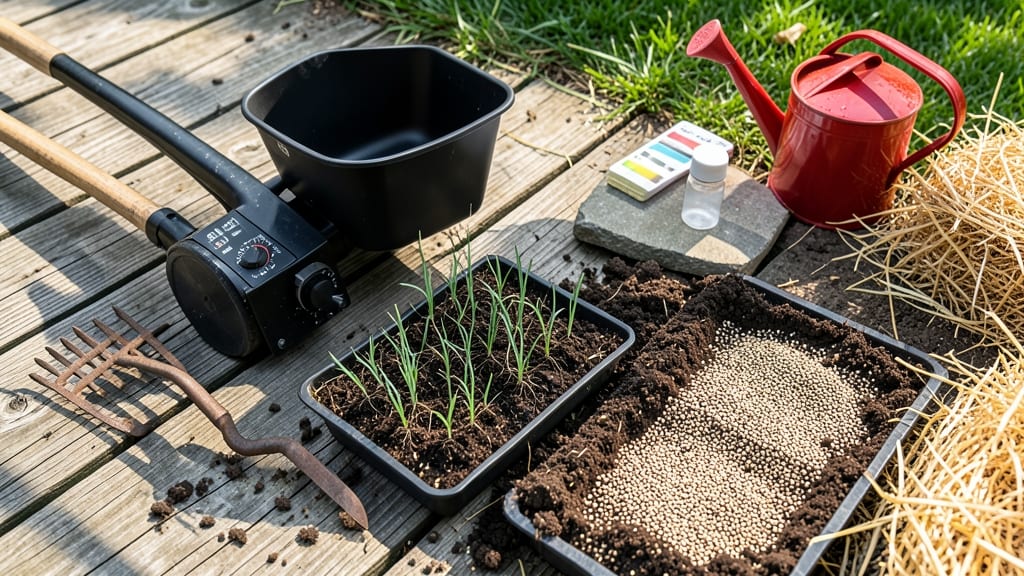
Timing your grass seed planting in North Carolina isn’t just about picking a month—it’s about catching that 6-week window when soil warmth and moisture align perfectly for maximum germination.
Miss this sweet spot, and you might end up battling summer heat or winter frost before your lawn even gets a chance to take root.
For most of North Carolina’s 6a-8b zones, the ideal planting window opens in early fall—typically late August to early September—when temperatures start cooling and rainfall becomes more reliable.
This gives your 🌱 grass seed the best shot at establishing strong roots before winter sets in, especially in the Piedmont and Mountain regions where nights can get chilly sooner.
But what if you’re in the Coastal Plain, where summers drag on and humidity lingers? Or if you’re eager to plant in spring instead? The key lies in understanding your microclimate and adjusting for soil temperature—55–65°F is the magic range for germination.
I’ll break down exactly how to time it right, whether you’re seeding in March or pushing your luck in October.
Ready to skip the guesswork and plant with confidence? Let’s dive into the region-specific strategies that’ll help your grass seed thrive—no matter where you are in the Tar Heel State.
North Carolina grass seed planting timeline by region: Piedmont vs. Coastal Plain vs. Mountains
North Carolina’s diverse climate means your grass seed’s success hinges on region-specific timing. The Piedmont, Coastal Plain, and Mountains each have unique frost dates, soil temperatures, and rainfall patterns that dictate the perfect 6-week window for planting cool-season grasses like tall fescue and Kentucky bluegrass.
Miss this window, and you risk heat stress, poor germination, or winter kill.
To avoid these pitfalls, I’ll break down the optimal planting months for each region, explain the 100-day rule (planting early enough so grass establishes before summer heat), and share how to adjust for microclimates—like shady spots or south-facing slopes.
Whether you’re in Raleigh, Wilmington, or Asheville, this guide ensures your grass seed gets the best possible start.
Pro Tip: Always check soil temperature with a soil thermometer—ideal germination occurs between 55–65°F. If temps are too high or low, wait or use shade cloth to protect seedlings.
Why does the 100-day rule matter? It’s a simple formula to avoid summer heat stress: Count backward 100 days from your region’s first average frost date.
For example, if the Mountains typically frost by November 15, you should finish planting by August 15 to give grass enough time to establish before winter. This rule works for both fall and spring plantings.
For spring plantings, aim to finish by April 15 in the Piedmont and Coastal Plain to avoid the dog days of summer (June–August), when soil temps often exceed 80°F.
In the Mountains, you’ve got a slightly longer window due to cooler temps, but don’t delay past May 1.
Regional Tip: The Coastal Plain is the trickiest for fall plantings because of hurricane season. If you plant in late August or September, have a backup plan—like straw mulch or temporary shade cloth
5 Critical factors that determine your grass seed’s success (beyond just timing)
Timing your grass seed planting is just the first step—what happens after you scatter those seeds can make or break your lawn’s success.
In North Carolina, where soil types range from clay-heavy Piedmont to sandy Coastal Plain, and microclimates vary wildly, these 5 critical factors will determine whether your grass thrives or struggles.
I’ve seen too many gardeners pour time and money into seeding only to watch their efforts fail because they missed one of these key steps.
Let’s tackle the hidden variables that separate a thick, lush lawn from a patchy, weak one. Whether you’re planting in the Piedmont’s humid summers or the Mountains’ cooler springs, these strategies will help you override Mother Nature’s unpredictability.
- 1 Soil pH & Prep: Test your soil’s pH—NC’s ideal range is 6.0–7.0. If it’s off, amend with lime (to raise pH) or sulfur (to lower pH). For clay soils, mix in compost or sand to improve drainage. Sandy soils? Add organic matter like peat moss to retain moisture.
- 2 Moisture Retention: Grass seed needs consistent moisture to germinate. Use mulch (straw or wood chips) to lock in humidity and reduce evaporation. Water lightly 2x daily (morning and evening) for the first 2 weeks, then taper to deep watering 2–3x weekly. Avoid overhead sprinklers at night to prevent fungal diseases like dollar spot.
- 3 Seed-to-Soil Contact: The ‘finger rule’ applies here: press seeds into soil with your fingertips (about ¼ inch deep for most grasses). For fine fescue, barely cover them—just enough to shield from birds. Use a seed roller or light rake for larger areas. Poor contact = poor germination.
- 4 Fertilizer Timing: Apply a starter fertilizer (high in phosphorus) at planting to boost root growth. Wait 6–8 weeks before adding nitrogen—too early burns tender seedlings. In NC’s humid summers, use a slow-release formula to avoid runoff. Pro tip: Skip fertilizer if planting in late fall (grass goes dormant).
- 5 Weather Overrides: If a heatwave or frost threatens, soak seeds in water for 24 hours before planting to jumpstart germination. Use frost blankets in the Mountains or shade cloth in the Coastal Plain during extreme weather. For late plantings, choose fast-germinating varieties like annual ryegrass.
Here’s the kicker: even if you nail timing, skipping one of these steps can derail your lawn. For example, I’ve seen gardeners in Raleigh plant at the perfect time but lose everything to fungal diseases because they watered at night.
Or in Asheville, seeds germinate too slowly because the soil was too compacted. The good news? These fixes are simple and region-proof—whether you’re in the Piedmont’s heat or the Mountains’ chill.
Ready to put these into action? Start with a soil test and work your way down the list. Your future lawn will thank you—thick, green, and resilient—come next summer. 🌱