
Plants
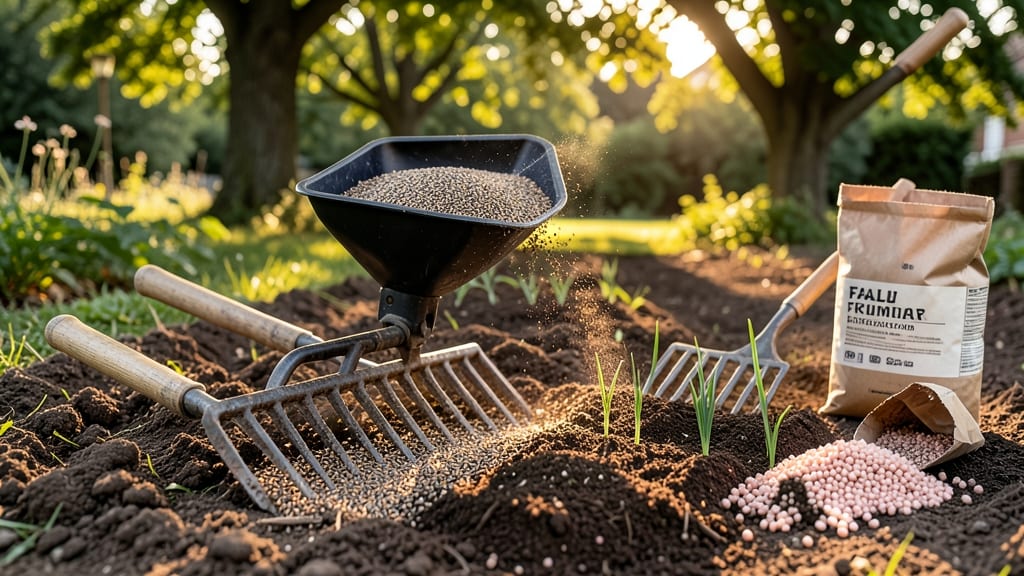
Planting grass seed in the fall is your golden ticket to a lush lawn next spring—but get the timing wrong, and you’ll end up with patchy results. The key lies in those 4-6 weeks before the first frost, when cooler temperatures and moist soil create perfect conditions for germination.
If you’re in USDA Zone 6a, that means aiming for late September or early October, but regional variations can shift your window by weeks.
Why does fall work so well? Unlike spring planting, you avoid competing weeds and scorching heat while giving grass roots time to establish before winter.
I’ve seen firsthand how a properly timed fall planting can mean the difference between a thin, weak lawn and one that greens up thick and vibrant by spring. Let’s break down exactly when—and how—to plant for success in your area.
Before you grab that seed bag, there’s prep work to tackle: soil testing, aeration, and even mowing height adjustments. Skipping these steps can leave your grass seed struggling to take hold, no matter how perfect the timing.
I’ll walk you through the essential prep checklist so you’re ready to plant with confidence—and avoid common mistakes that derail even the best-laid plans.
Ready to transform your yard? The best time to plant grass seed in the fall isn’t just about the calendar—it’s about understanding your local climate, soil conditions, and even the weather forecast.
Stick with me, and you’ll have the knowledge to plant at the ideal moment for a lawn that’ll make your neighbors green with envy.
Best fall planting windows by region: weeks before frost for perfect germination
Timing your grass seed planting in fall depends entirely on your climate zone. The golden rule? Plant 6-8 weeks before your first frost date to give seeds time to germinate and establish roots before winter dormancy.
But regional differences mean your ideal window could be September in the North or November in the South. Let’s break it down by region so you can plant with confidence.
In Northern climates (USDA Zones 3-5), aim to plant late August to mid-September. This gives cool-season grasses like tall fescue and Kentucky bluegrass enough time to sprout before ground temperatures drop below 50°F.
Southern regions (Zones 7-10) have more flexibility, with ideal windows stretching from early September to early October. Warmer soils in the South allow seeds to germinate faster, so you can plant later without risking frost damage.
Transitional zones (Zones 6-7) bridge the gap, with mid-September to early October being the sweet spot. These areas often experience earlier frosts, so monitor your local frost forecast and adjust planting dates accordingly.
For example, if your first frost is typically October 20th, plant by September 10th to ensure roots establish before winter.
🌱
| Region | USDA Zones | Ideal Planting Window | Soil Temp Goal (°F) | Key Grass Types |
|---|---|---|---|---|
| Northern | 3-5 | Late August - Mid-September | 50-65°F | Tall fescue, Kentucky bluegrass |
| Transitional | 6-7 | Mid-September - Early October | 55-70°F | Fine fescue, Perennial ryegrass |
| Southern | 7-10 | Early September - Early October | 60-75°F | Bermuda grass, Zoysia |
| Mountainous | 4-6 | July - Early September | 45-60°F | Alpine bluegrass, Creeping red fescue |
Adjust your planting window if your region experiences early or late frosts. For example, if your area typically sees frost by September 30th, plant by August 15th to avoid cold snaps.
Conversely, if you’re in a mild-winter zone (like coastal California), you might extend planting to November—just ensure soil temps stay above 50°F for germination.
Cool-season grasses thrive in fall’s mild temperatures, which reduce weed competition and disease pressure compared to spring planting. Warm-season grasses (like Bermuda grass) can also be overseeded in late fall, but focus on cool-season varieties for best results in most regions.
Always check your seed packet for specific recommendations, as some blends are formulated for fall planting.
Pro tip: Use a soil thermometer to confirm temps are in the ideal range (50-70°F) before planting. If soil is too warm (>75°F), germination slows, and seeds may dry out. Conversely, if soil is below 40°F, seeds won’t sprout at all. Balance is key!
🌿
Don’t stress if your local weather forecast is unpredictable. A 10-day delay won’t ruin your lawn—just avoid planting within 4 weeks of frost. If you miss the ideal window, wait until early spring (March-April) for your next attempt.
With the right timing, your fall-planted grass will reward you with a thicker, greener lawn next spring.
☀️
How to prepare your lawn for fall grass seed planting: soil, weather, and prep checklist
Perfect timing alone won't guarantee a lush lawn—your soil and lawn prep play equally critical roles in fall grass seed success. I've learned the hard way that skipping these steps can leave you with patchy germination or weed takeover, no matter how ideal the planting window.
The secret? A 4-step prep process that addresses soil health, weed control, and proper seedbed conditions before your first seed hits the ground.
Start with a soil test to check pH and nutrient levels—most grasses thrive in pH 6.0-7.0. If your soil is too acidic (<6.0), add lime 4-6 weeks before planting. For alkaline soil (>7.0), work in sulfur or peat moss.
I recommend testing through your local cooperative extension service for accurate results. Organic matter is equally important—aim for 3-5% organic content by amending with compost or well-rotted manure.
🌱
- Step 1
- Step 2
- Step 3
- Step 4
- Step 5
After prepping your soil, monitor the 7-day weather forecast for consistent moisture and no rain within 24 hours of planting.
Fall's cooler temps mean you can water less frequently than in summer—aim for 1/2 inch of water daily (or 1 inch for sandy soil) until germination occurs (typically 7-21 days). Use a rain gauge or tuna can to measure water accurately.
Pro tip: Plant when a light rain is forecast within 48 hours—this naturally waters your seeds without disturbing them. If drought hits, water twice daily (morning and evening) until germination begins. Avoid overhead sprinklers that can displace seeds or cause disease—consider a soaker hose instead for gentle, even moisture.
Once seeds sprout, reduce watering to 3-4 times per week and avoid walking on the lawn until grass reaches 3 inches tall. This prevents seedling damage and encourages deep root growth.
I've found that fall-planted grass benefits from a light mulch (like straw) to retain moisture and suppress weeds—just apply it thinly (1/4 inch) to avoid smothering seedlings.
💧
Don't forget to fertilize lightly 6-8 weeks after planting with a balanced lawn fertilizer (10-10-10 or 16-4-8). This gives your grass a nutrient boost before winter dormancy.
By following this prep checklist, you'll create the perfect conditions for your grass seed to germinate thick and strong—setting your lawn up for spring green-up success.