
Plants
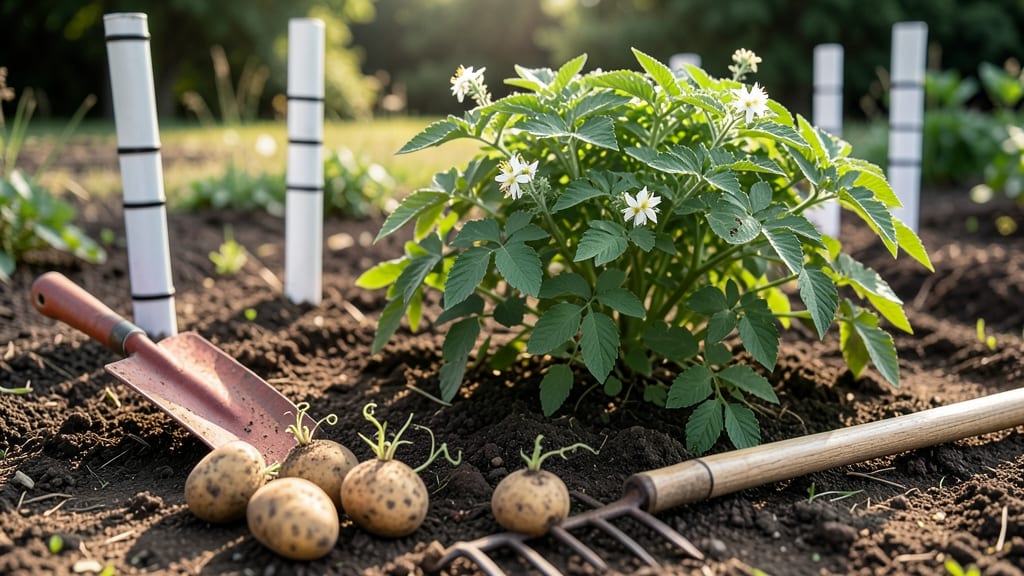
Planting potatoes in Florida at the wrong time can mean the difference between a bumper crop of crisp, golden 🥔 and a sad, withered mess.
The secret to success isn't just avoiding frost—it's timing your planting to match Florida's unique climate, where even winter can feel like summer in some zones.
If you've ever wondered why your neighbor's potatoes thrive while yours struggle, the answer likely lies in the calendar. Florida's frost-free growing season runs from October through March, but not all months are created equal.
I'll show you exactly which months give you the best shot at harvests that rival your favorite farm stand—and how to avoid the common mistakes that kill yields.
You don't need to be a master gardener to grow potatoes in Florida, but you do need to know the best time to plant for your specific zone.
Whether you're in the cooler north or the balmy south, these exact planting windows will help you grow potatoes that are bigger, healthier, and ready to harvest at the perfect moment.
Ready to turn your garden into a potato powerhouse? Let's dive into the month-by-month strategy that works for Florida's climate—no frost worries, just homegrown success.
Florida’s two ideal potato planting windows: month-by-month breakdown
Florida’s unique climate offers two perfect windows for planting potatoes—October through March—but timing varies dramatically between North Florida (Zones 8a-9a) and Central/South Florida (Zones 10a-11). The key? Avoiding soil temperatures above 75°F and leveraging Florida’s natural cool seasons.
In North Florida, frost is a distant risk by January, while Central/South Florida gardeners can plant year-round with shade adjustments.
Your first window opens in late September to October when soil cools to 60-65°F, ideal for sprouting. The second window spans January through early March, perfect for a second harvest before summer heat arrives.
Each region has microclimates—coastal areas stay warmer longer, while inland zones cool faster. For example, Orlando’s January soil temps average 68°F, while Tallahassee’s drop to 55°F—both prime for planting.
Here’s the breakdown you need to maximize yields, avoid disease, and align with Florida’s frost-free growing seasons:
For North Florida gardeners, October is your best bet—soil temps hover around 65°F, and you’ll avoid the 90°F+ summer heat that stresses potatoes. Plant seed potatoes 4–6 inches deep in loose, well-draining soil amended with compost.
In Central Florida, you can push into late September if you use shade cloth, but aim for January for a spring harvest.
South Florida’s frost-free status lets you plant year-round, but summer plantings demand extra care. Use 50% shade cloth to keep soil temps below 75°F and prevent premature flowering. Varieties like Red LaSoda tolerate heat better than Russet potatoes.
Pro tip: In South Florida, stagger plantings every 4–6 weeks for a continuous harvest from March to August.
Regional microclimates play a huge role. For example, Gainesville’s inland areas cool faster than St. Augustine’s coastal zones. If you’re in a Zone 9a inland area, plant January for a March–April harvest.
Coastal gardeners in Zone 10a can plant through December but must monitor soil temps closely—above 75°F triggers bolting (flowering) and poor tuber formation.
Soil prep is non-negotiable. Florida’s sandy soils drain too quickly, so mix in 2–3 inches of compost and aged manure before planting. Aim for a pH of 5.0–6.0—too alkaline, and your potatoes develop scab disease.
Test your soil in late summer to adjust before your first planting window. In North Florida, a black plastic mulch in early spring can add 5–10°F to soil temps, giving you a head start.
Watering strategies shift with the seasons. During October–March, water deeply 2–3 times per week to encourage tuber formation. Avoid wetting foliage to prevent late blight, Florida’s #1 potato enemy. In summer plantings, increase frequency to daily but use drip irrigation to keep leaves dry.
A 3-inch layer of straw mulch retains moisture and regulates soil temps—critical in Florida’s erratic climate.
Harvest timing varies by planting window. For October plantings, expect harvests in March–April (90 days). January plantings yield in May–June. In South Florida, you can harvest as early as 60 days with fast-maturing varieties like Yukon Gold.
Stop watering 2 weeks before harvest to toughen skins and reduce disease risk. Dig
How to extend your potato growing season in Florida (without frost worries)
Florida’s long growing season means you can grow potatoes almost year-round, but the key to maximizing yields lies in strategic timing and heat management. Unlike northern climates, we don’t have to worry about frost—but we do need to avoid Florida’s brutal summer heat.
The trick is planting in cooler months while using simple techniques to protect your crop from excessive heat and humidity.
One of my favorite strategies is staggered planting. By planting new batches every 2-3 weeks from October through February, you’ll have a continuous harvest instead of one overwhelming crop. This method also helps spread out labor and reduces the risk of disease spreading through your garden.
Plus, it’s a great way to test different varieties without committing to a full season of one type.
Another game-changer is container growing. If your garden soil gets too hot, grow potatoes in 5-gallon buckets filled with compost-rich potting mix. This gives you complete control over soil temperature and drainage.
I’ve had great success with this method in urban yards where space is limited—just remember to water containers daily during Florida’s dry spells.
Don’t forget about soil preparation. Florida’s sandy soils drain too quickly for potatoes, so amend with 2-3 inches of compost and a handful of aged manure before planting.
Aim for a pH between 5.0 and 6.0—too alkaline, and your potatoes won’t form properly. Test your soil in late summer so you’re ready when planting season arrives.
One common mistake I see is planting too early in September. While it’s tempting to get a head start, soil temps are still too high, leading to poor tuber formation and disease susceptibility.
Wait until October when daytime temps consistently stay below 85°F. If you’re in North Florida, you can push planting into early March for a late-season harvest.
With these strategies, you can enjoy fresh potatoes from January through June—no frost worries required! The key is adapting to Florida’s heat rather than fighting it. Start small with one variety, then expand as you master the timing. Happy growing! 🌱