
Companion Plants
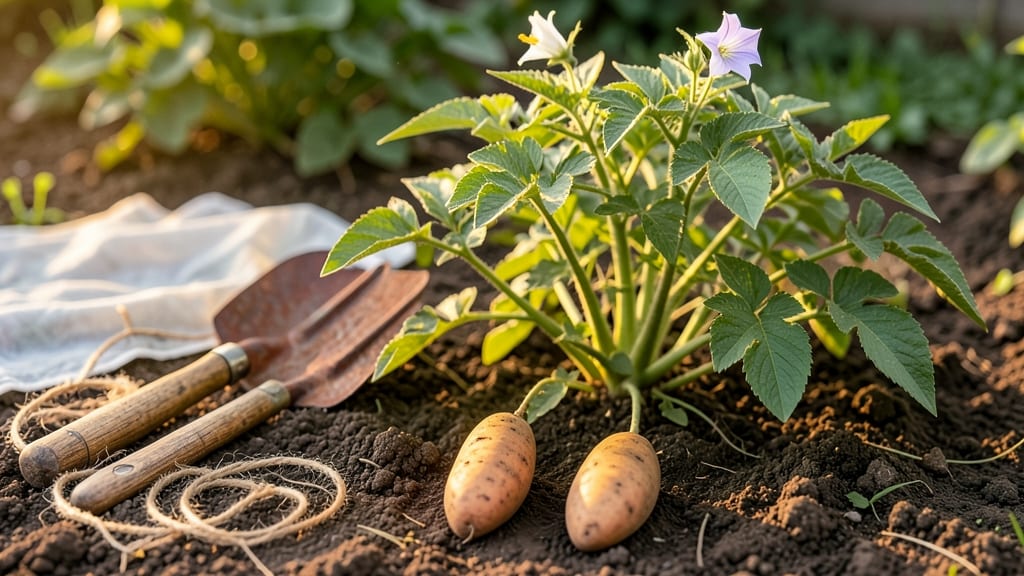
Planting potatoes in Zone 6 at the wrong time can leave you staring at sad, stunted 🥔 instead of a bountiful harvest. The key to success?
Knowing exactly when to get those seed potatoes in the ground—typically 4-6 weeks before your last frost date, but with a few critical adjustments for your specific microclimate.
Most gardeners in Zone 6 (whether you're in 6a or 6b) rush to plant as soon as the soil warms, but that can backfire if the ground stays too cold or soggy.
I've learned the hard way that timing matters more than you'd think—plant too early, and your potatoes rot; too late, and you miss the sweet spot for maximum yield.
Here's what you need to know: the ideal window opens in early spring, but the exact timing depends on your last frost date (usually mid-April in most of Zone 6).
We'll break down exactly how to calculate your perfect planting window, which varieties work best for your climate, and how to avoid common mistakes that ruin harvests.
With the right schedule, you'll enjoy crisp, homegrown potatoes all summer long—no more store-bought spuds that can't compare. Let's get you planted at the perfect moment for a harvest that'll make your neighbors jealous.
Zone 6 potato planting timeline: exact weeks before last frost for maximum yield
Timing your potato planting in Zone 6 is all about beating the last frost date while avoiding frozen soil. Most gardeners aim to plant 4-6 weeks before the average last frost, but the exact window depends on your local microclimate and whether you’re growing early or late varieties.
In northern Zone 6 (like Chicago or Buffalo), this might mean planting in late March or early April, while southern Zone 6 (like Kansas City or Richmond) can start as early as mid-February.
Potatoes thrive when soil temperatures hit 40-50°F, but planting too early in cold, soggy soil can rot your seed potatoes. Use a soil thermometer to confirm warmth before planting—this small step prevents wasted effort and ensures strong sprouts.
My rule of thumb? Wait until you can work the soil without it sticking to your gloves.
📅 Last frost dates vary—check your USDA Zone 6a/b average (typically April 15 for 6a, April 1 for 6b). For example, if your last frost is April 15, plant 4-6 weeks earlier (mid-March). But if you’re in a warmer microclimate, like a south-facing slope, you might push planting to late February.
Here’s the key: Spring planting gives the longest harvest window, but fall planting (late summer) can yield a second crop if you use early-maturing varieties. Fall-planted potatoes need to mature before the first frost (mid-October), so time your harvest carefully.
For northern Zone 6 (like 6a areas), err on the side of planting later—soil warms slower, and early planting can lead to rot. I’ve seen gardeners in Buffalo wait until mid-April to avoid soggy conditions.
Meanwhile, in southern Zone 6 (like 6b), you can start as early as late February, but only if your soil drains well.
Pro tip: Chit your seed potatoes (sprout them indoors in bright light for 2-3 weeks) to jumpstart growth. This gives you a 2-week head start on the season, especially useful if your spring is unpredictable.
Place them near a sunny window or under grow lights—you’ll see white roots and green shoots in no time.
If you’re planting for a fall harvest, aim to finish planting by mid-July in Zone 6. This gives early varieties (like New Potatoes) time to mature before the first frost.
Use black plastic mulch to warm the soil faster and extend the season by 1-2 weeks. Just remove it before harvest to avoid green skin on your potatoes.
Finally, track your local frost dates for 3 years to spot patterns. Weather stations like Almanac’s Frost Calculator or local CoCoRaHS data can help adjust your schedule. For example, if your area had an early frost in 2022, plant 1-2 weeks later the next year to hedge your bets.
With the right timing, you’ll enjoy homegrown potatoes from June through September—and maybe even a fall crop
How to adjust potato planting for early vs. late varieties in Zone 6
Not all potatoes thrive on the same schedule in Zone 6, and mixing up your early, mid-season, and late varieties can lead to a harvest that’s either too early (small tubers) or too late (missed peak flavor).
The key is planting cold-hardy varieties first for spring harvests, then following with heat-tolerant types for a summer-long supply. I’ve found that staggering my plantings by 2-3 weeks gives me a steady stream of spuds from June through August.
For Zone 6, your last frost date (usually mid-April) is your anchor point.
Early varieties like Yukon Gold or Red Norland can handle cooler soils and should go in 4-6 weeks before last frost, while late varieties like Russet Burbank or Kennebec need warmer soil and should wait until 2 weeks after last frost.
This timing ensures each type gets the ideal growing window for maximum yield.
| Variety Type | Planting Window | Days to Maturity | Best For |
|---|---|---|---|
| Early (New Potatoes) | 4-6 weeks before last frost | 60-75 days | Spring harvest, cool weather |
| Mid-Season | 2 weeks after last frost | 75-90 days | Summer harvest, versatile use |
| Late (Storage) | Late April to early May | 90-120 days | Fall harvest, long-term storage |
My secret for a staggered harvest is to plant early varieties first (like Red Pontiac or Kennebec), then follow with mid-season types (such as Yukon Gold) 2 weeks later, and finally add late varieties (like Russet Burbank) another 2 weeks after that.
This way, I’m harvesting new potatoes in June, maincrop potatoes in July, and storage potatoes in August. The trick is to space them out so each variety gets its ideal growing conditions.
For cold-hardy early varieties, I always test soil temperature first—it should be at least 45°F (7°C) before planting. If your soil is still too cold, your potatoes will rot. I’ve learned this the hard way!
For late varieties, I wait until the soil reaches 50°F (10°C) or warmer, which usually aligns with late April in Zone 6. This ensures strong root development before the heat of summer sets in.
Don’t forget about fall planting if you want an extended harvest. In Zone 6, you can plant heat-tolerant varieties like Sweet Potato (not true potatoes, but great for fall) or fingerling potatoes in late summer (around August 1) for a harvest in early fall.
These varieties thrive in warmer soil and can handle the shorter days before frost. Just be sure to harvest before the first hard frost hits!
Pro tip: Mark your planting dates on a garden calendar so you don’t forget. I use colorful flags to track each variety’s progress—it’s a simple way to stay organized and ensure you’re harvesting at the right time.
With this schedule, you’ll have a continuous supply of homegrown potatoes all season long, and no more rushing to the store for sad, shriveled spuds.