
Companion Plants
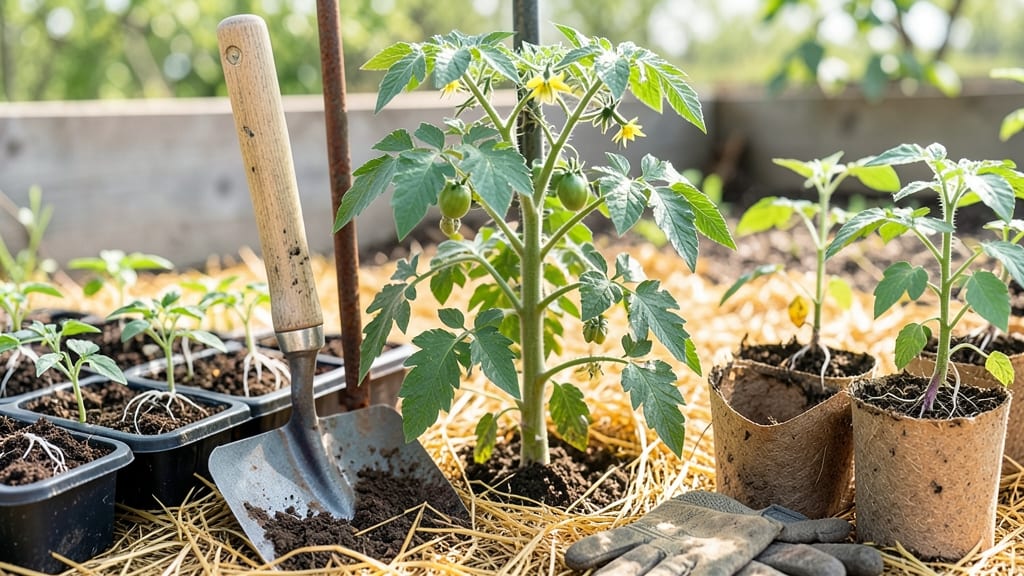
Planting your 🍅 tomatoes at the wrong time in Illinois can turn your dream harvest into a frost-killed flop—so timing isn’t just important, it’s everything.
Whether you’re starting seeds indoors or transplanting seedlings, getting those 🍅 tomato plants in the ground too early or too late means the difference between a garden full of ripe fruit and a sad, wilted disappointment.
In Illinois’ USDA Zones 5-6, the ideal window stretches from mid-April to early June, but that’s not a one-size-fits-all rule. Urban heat islands, river valleys, and cold pockets can shift your perfect planting date by weeks—so knowing your microclimate is the key to success.
I’ll break down exactly when to plant, how to adjust for local conditions, and which tomato varieties thrive best in Illinois’ short but sweet growing season.
You’ll learn how to time your plantings for zero-frost risk, whether you’re growing in containers or the ground, and which varieties mature fast enough to beat Illinois’ early autumn chills. Let’s get those 🍅 tomatoes in the ground at the perfect moment—no guesswork, just guaranteed results.
From soil temperature tricks to last-frost guarantees, I’ve got the exact strategies Illinois gardeners need. Ready to turn your tomato dreams into a reality? Let’s dive in.
Illinois tomato planting dates by USDA hardiness Zone (with frost-free guarantees)
Timing your tomato planting in Illinois depends heavily on your USDA hardiness zone—whether you're in Zone 4 (northern Illinois) or Zone 6 (southern Illinois).
The difference between these zones can mean 2-3 weeks in your planting window, which matters when last frost dates vary from mid-April in the south to late May in the north. Even within zones, microclimates (like urban heat islands or river valleys) can shift your schedule by 10-14 days.
For tomato success, you’ll need to balance soil temperature (aim for 60°F+) with frost-free guarantees. In Illinois, most gardeners wait until after May 15 to transplant outdoors, but seed-starting indoors can begin as early as late February for a head start.
Let’s break down the exact windows for each zone, including soil prep tips and transplanting tricks to maximize your harvest.
If you’re starting seeds indoors, begin 6–8 weeks before your last frost date. For Zone 4, that means late February; for Zone 6, early March works.
Use grow lights or a sunny south-facing window to prevent leggy seedlings. Transplant outdoors only after soil temperatures hit 60°F—cold soil stunts root growth and delays fruiting.
For urban gardeners, your microclimate may be warmer than rural areas due to heat islands. If you’re in Chicago or Springfield, you can safely plant 5–7 days earlier than the zone average.
Conversely, valley areas (like the Mississippi River Valley) often warm up 3–5 days faster—monitor local weather stations for real-time soil temps.
One critical mistake Illinois gardeners make is rushing transplants. Even if <
How to adjust tomato planting dates for Illinois microclimates (urban heat islands, river valleys, and cold spots)
Illinois' diverse microclimates can shift your tomato planting dates by weeks—so understanding your specific location is key. Urban areas like Chicago often experience urban heat islands that warm up faster, while river valleys (like the Mississippi) mature crops 10-14 days earlier than surrounding regions.
Meanwhile, cold spots near lakes or northern suburbs may need 2-3 week delays to avoid frost damage. These variations mean a one-size-fits-all approach won't work—your planting schedule must adapt.
For example, in Chicago's urban core, you might safely transplant seedlings by May 1st due to warmer pavement and buildings, while rural areas in Zone 5 might need to wait until May 15th.
River valleys like the Illinois River Valley often see frost-free conditions by April 20th, giving you an earlier start. By learning these patterns, you can optimize your planting for maximum yield and zero frost risk.
To protect your early tomato plants in cold spots, I recommend using floating row covers or mini greenhouses until nighttime temperatures stay above 50°F. These simple tools can extend your growing season by 3-4 weeks without chemicals or complex setups.
For example, in Northern Illinois (Zone 5), I’ve successfully used row covers to transplant seedlings by April 25th—weeks before the official frost-free date.
Another trick is to plant heat-loving varieties like 'Solar Fire' or 'Heatmaster' in urban areas, as they tolerate the extra warmth. In contrast, river valleys benefit from early-maturing varieties like 'Stupice' or 'Mountain Merit', which can ripen before the first autumn frost.
By matching your microclimate to the right tomato variety, you’ll maximize your harvest potential.
Finally, always include a risk-assessment checklist before planting. Ask yourself: Is my soil warm enough? Are nighttime temps stable? Do I have protection for late frosts? If you can answer "yes" to these, you’re ready to plant with confidence.
Illinois’ microclimates might be tricky, but with these adjustments, you’ll be harvesting juicy tomatoes all summer long.