
Plants
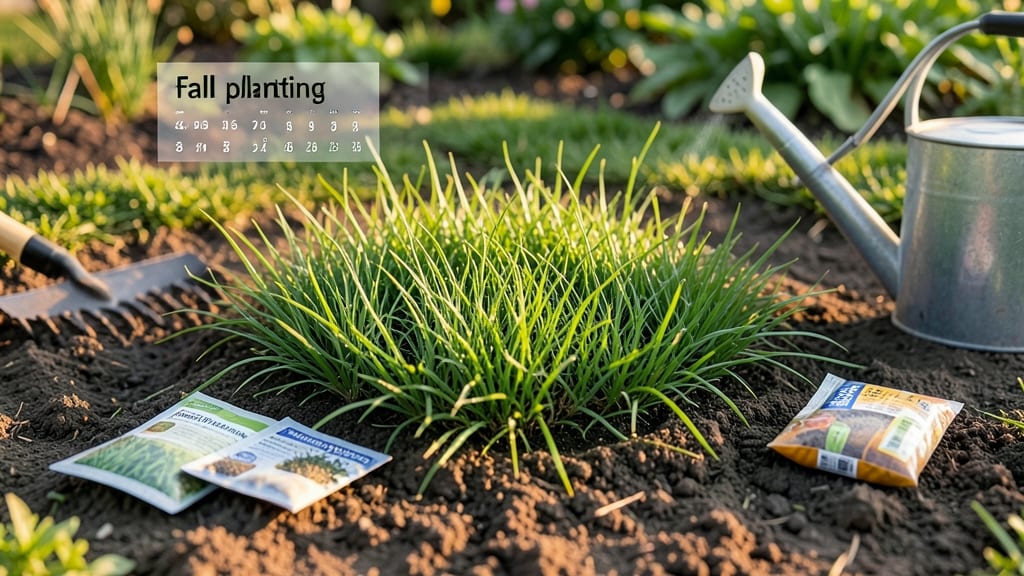
Planting grass seed in the fall is one of the most effective ways to get a lush, healthy lawn—but if you wait too long, your efforts might get smothered by frost.
The secret to success lies in understanding when soil temperatures drop into that ideal 60°F to 75°F range, which gives your 🌱 roots the perfect window to establish before winter sets in.
Many gardeners assume fall means "plant as soon as leaves change," but the truth is more nuanced. In USDA Zone 6, where most of us live, timing matters just as much as the seed you choose.
Plant too early, and your grass may bolt before winter; too late, and it won’t have time to root deeply before the ground freezes.
What if you could skip the guesswork and plant with confidence? I’ll walk you through the exact soil temperature triggers, regional adjustments, and even how to tell when your lawn is truly ready—without relying on a calendar.
Let’s make sure your fall planting sets your grass up for a stronger spring.
From avoiding common mistakes to choosing the right grass varieties for your climate, this guide covers everything you need to know. Ready to transform your lawn? Let’s get started.
Ideal fall planting windows by climate Zone: soil temp triggers for success
Timing your fall grass seed planting depends entirely on your USDA climate zone and soil temperature. The sweet spot? When daytime temps hover between 60°F and 75°F—this range triggers strong root growth before winter dormancy.
In colder zones, aim for 4-6 weeks before first frost, while warmer regions can extend planting into late October or November.
Northern climates (Zones 3-5) have the tightest windows—plant too early, and you risk weed competition or fungal diseases from lingering summer heat. Southern zones (7-10) enjoy more flexibility, but late-season moisture becomes critical to prevent drought stress before winter rains arrive.
Soil temperature is your best guide, not just the calendar. Use a soil thermometer (insert 4" deep) to confirm readiness. If temps dip below 50°F at night, germination slows dramatically. Pro tip: Morning soil temps are more reliable than afternoon spikes.
Here’s how to adjust your timing by zone—plus the soil temp triggers that separate success from struggle:
In Zones 3-5, the rush to beat frost means you’ll often plant in late August, but this risks heat stress on seedlings. My trick? Start with shade cloth if temps exceed 80°F during germination.
Southern zones (7-10) can afford to wait, but don’t push past November 15—cool nights slow root growth.
Late-summer planting (August) offers longer daylight for establishment but demands extra watering to offset summer dryness. Early-fall planting (September-October) balances cooler temps with adequate rainfall, reducing your workload. For example, in Zone 6, I’ve seen 3x faster root growth when planted in early October vs. late August.
Watch for local microclimates—south-facing slopes warm faster than shaded areas. If your yard has uneven sun exposure, test soil temps in both spots before planting. A 5°F difference can mean the difference between success and failure in marginal zones like Zone 6b.
Pro move: Pre-warm cold soil in Zones 3-5 by laying down black plastic mulch 1-2 weeks before planting. This raises soil temps by 5–10°F, giving seedlings a head start. In Zones 9-10, focus on evening watering to cool the soil and prevent seed desiccation.
Remember: Grass seed needs 60–90 days to establish roots before winter. If your zone’s frost date is November 15, plant by October 1—no exceptions. Use a frost date calculator (like the Old Farmer’s Almanac) to pinpoint your local cutoff.
Finally, don’t fertilize after planting—wait until spring to avoid encouraging late-season growth that won’t harden off before winter. A light compost top-dressing at planting time is enough to support those critical early roots. 🌱
5 Signs your soil is ready for grass seed (beyond the calendar)
Forget relying on the calendar—your soil itself holds the clues about when to plant grass seed in the fall. While soil temperatures between 60°F–75°F are ideal, real-world conditions often vary.
Instead of guessing, watch for these five field indicators that your soil is primed for planting, regardless of what the date says.
First, check for leaf drop timing in nearby trees. When 50% of leaves have fallen from maples, oaks, or birches, your soil has likely cooled enough for safe planting. This typically aligns with soil temps between 65°F–70°F—perfect for germination.
In my Zone 6 yard, I’ve seen this happen as early as mid-September or as late as October 1, depending on the year.
Next, perform the soil moisture squeeze test. Grab a handful of soil and squeeze it—if it holds its shape but crumbles when touched, it’s at the right moisture level. Too dry? Your seeds will struggle to sprout.
Too wet? Risk fungal diseases like Pythium. Aim for 60% moisture content, which feels like a damp sponge. This test works year-round but is especially critical in drought-prone Zones 7–10.
- 🌿 Leaf Drop: 50% of leaves fallen = soil temps ~65°F–70°F
- 💧 Moisture Test: Soil holds shape but crumbles when touched (60% moisture)
- 🌱 Weed Activity: Weeds like crabgrass dying back = soil cooling
- 🌡️ Soil Thermometer: 4" depth reads 60°F–75°F (morning check)
- ☀️ Daylight Hours: 10–12 hours of daylight = strong seedling growth
Pay attention to weed activity—specifically, the decline of summer annuals like crabgrass or chickweed. When these weeds start yellowing and dying back, your soil has cooled enough for cool-season grasses. This often happens 2–3 weeks before your first frost date.
In my experience, Zone 5 lawns show this shift around September 20, while Zone 8 areas may see it as late as October 20.
Don’t overlook your soil thermometer—this is the most precise tool for fall planting. Insert it 4 inches deep (where seeds will germinate) and check morning temps (afternoon temps can spike falsely). If readings stay between 60°F–75°F for 3+ days, your soil is ready.
Pro tip: In Zones 3–4, I’ve used a black plastic mulch to raise soil temps by 5–10°F when planting early in the season.
Finally, track daylight hours. Grass seedlings need 10–12 hours of daylight to establish strong roots. After October 15 in most zones, daylight drops below this threshold, slowing germination.
Use a sunlight tracker app to confirm your local daylight hours—this is especially important in northern latitudes (Zones 3–5), where short days can stall growth entirely.
Too early? You’ll see slow germination, weed competition, and heat-stressed seedlings. Too late? Roots won’t mature before frost, leaving your lawn thin and patchy next spring. By combining these five signs with your USDA zone, you’ll plant with confidence—no calendar needed. 🌱🌿