
Planting
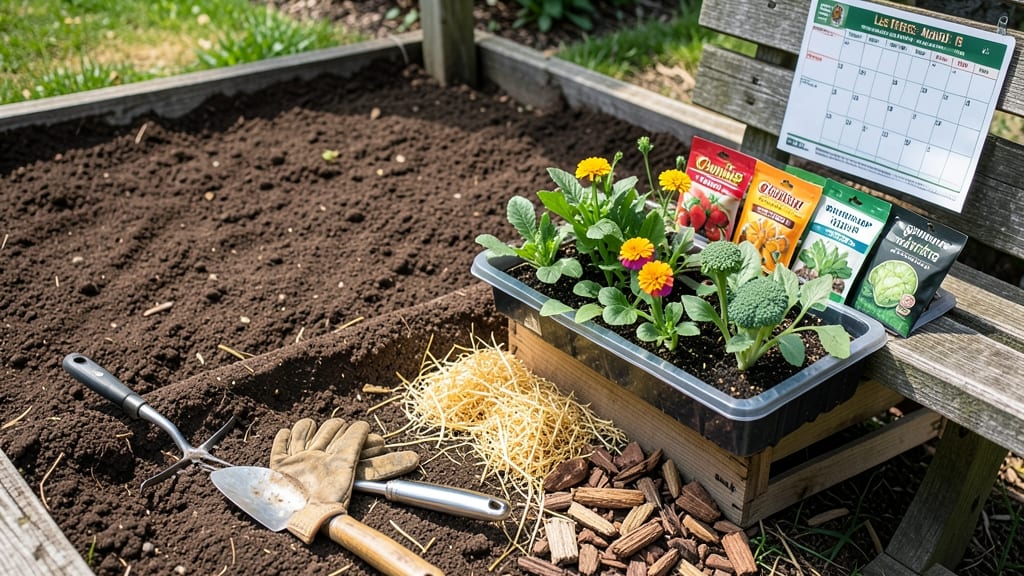
Timing your garden in Kentucky isn’t just about throwing seeds in the dirt—it’s about beating the last frost by mid-April and avoiding summer’s brutal heat before your 🌱 General Garden Vegetables & Plants bolt or wilt.
With USDA Zones 6a-7a throwing curveballs like late freezes and early heatwaves, even experienced gardeners get it wrong.
If you’ve ever watched your seedlings turn to ice crystals or your tomatoes shrivel under July’s sun, you’re not alone. The key is knowing when to plant cool-season crops (like spinach and peas) 4-6 weeks before that last frost—or risk losing them to a surprise chill.
Meanwhile, warm-season stars (tomatoes, peppers) need to wait until after mid-April’s danger zone, or they’ll sulk in the soil.
I’ve cracked the code for Kentucky’s unpredictable climate, and it’s not about guessing. It’s about using zone-specific timelines, adjusting for microclimates (urban heat islands vs. rural valleys), and choosing the right varieties for your patch of paradise.
Let me show you exactly when to plant—so you can harvest like a pro, not a gambler.
From extending your spring harvest with row covers to picking heat-tolerant crops for Zone 7’s scorching summers, this guide gives you the precise dates and strategies to turn your Kentucky garden into a year-round success. No more “maybe next year” excuses—just a plan that works.
Kentucky planting calendar by USDA Zone: exact dates for cool vs. warm-season crops
Kentucky’s USDA Zones 6 and 7 offer distinct planting windows, but frost dates can shift yearly. In Zone 6 (northern KY), your last frost typically arrives April 15-30, while Zone 7 (southern KY) sees it 2-3 weeks earlier.
Warm-season crops like tomatoes and peppers need soil temps above 60°F—usually mid-May in Zone 6 and late April in Zone 7. Cool-season crops such as spinach and peas thrive when planted 4-6 weeks before your last frost date.
Urban gardeners in Louisville or Lexington may experience microclimates with warmer micro-zones due to concrete heat absorption, while rural areas like Paducah enjoy longer frost-free seasons. Always check your local Kentucky Mesonet for real-time updates, as late frosts can delay planting by 1-2 weeks.
Start with hardy cool-season crops like kale or radishes in early March, then transition to warm-season favorites by June.
For Zone 6 gardeners, focus on early spring starts like peas and lettuce, then shift to heat-loving crops by June.
In Zone 7, you can plant tomatoes and peppers 2 weeks earlier than northern KY, but watch for summer heat stress—choose heat-tolerant varieties like 'Celebrity' tomatoes or 'Arkansas Traveler' peppers. Always harden off seedlings for 7-10 days before transplanting to avoid shock.
Urban gardeners in cities like Lexington or Louisville may face warmer microclimates due to pavement heat. To combat this, use lightweight row covers or plant in raised beds with mulch to regulate soil temperature.
Rural areas benefit from longer growing seasons, but watch for late spring frosts—keep frost cloth handy for sensitive plants like basil or eggplant.
If you’re unsure about your last frost date, use the 50% probability rule: Plant warm-season crops only after the average last frost date has passed. For Zone 6, this is typically April 20-25, while Zone 7 gardeners can start 1-2 weeks earlier.
Always have backup row covers ready for late surprises—even experienced gardeners lose plants to unpredictable Kentucky frosts.
For warm-season crops, wait until soil temperatures reach 60°F (use a soil thermometer). In Zone 6, this usually happens by mid-May, while Zone 7 can start 2 weeks earlier. Plant tomatoes and peppers deeply—bury stems up
How to adjust your planting schedule for Kentucky’s microclimates and frost risks
Kentucky’s USDA Zones 6a-7a create a tricky balance—cool springs can linger into May, while Zone 7’s summers hit 90°F+ by July. If you’ve ever lost seedlings to a late-April frost or watched tomatoes sizzle under August sun, you’re not alone.
The secret? Adjusting your planting schedule to match your microclimate—whether you’re in a cool mountain valley or a hot urban heat island.
Microclimates matter more than you think. A 1-mile elevation change can shift frost dates by 1-2 weeks, while paved surfaces in cities trap heat, pushing summer planting 2 weeks earlier than rural areas.
For example, Lexington’s urban core might be ready for peppers by May 1, while Pikeville’s highlands should wait until May 15. Ignore these differences, and your garden becomes a guessing game.
Here’s how to outsmart Kentucky’s weather: Start with frost-proofing strategies like row covers (which add 2-4°F protection) or cold frames (extending spring harvests by 3-4 weeks).
For Zone 7’s brutal summers, opt for heat-tolerant varieties like ‘Heatmaster’ tomatoes or ‘Malaga’ okra, which thrive when temps hit 95°F. Even a 5-gallon bucket of water buried near plants can stabilize soil temps by 5-10°F on scorching days.
⚠️ Kentucky’s Frost Dead Zones: When to Hold Your Seedlings
Last frost dates vary wildly: Northern KY (Zone 6a) averages April 15, while Southern KY (Zone 7a) can see April 25. But don’t rely on averages—check the UK Agronomy Center’s frost maps weekly in March/April for real-time updates. Plant cool-season crops (spinach, peas, lettuce) 4-6 weeks before your local last frost, but never before March 1, or seedlings will rot in cold, soggy soil.
Pro tip: Use biodegradable seedling pots to avoid transplant shock when moving tender starts outdoors after April 10.
For warm-season crops, timing is everything. Tomatoes and peppers need soil temps above 60°F to germinate—so wait until 2-3 weeks after your last frost (usually May 1 in Zone 6, April 25 in Zone 7). But here’s the catch: If you’re in a low-lying area, soil warms slower.
Test it with a soil thermometer—plant only when it hits 65°F+ at 2-inch depth. Skip the guesswork and use black plastic mulch to warm soil 5-8°F faster.
Extend your season with succession planting. Instead of one big lettuce harvest in May, sow every 2 weeks until August 15 to keep a steady supply. For heat-lovers like sweet potatoes or black-eyed peas, plant in late June to avoid bolting.
And don’t forget fall crops: Broccoli and kale thrive when planted by August 1, giving you harvests until November’s first frost.
Even with perfect timing, Kentucky’s unpredictable weather demands backup plans. Keep row covers handy for May frosts (they’re worth their weight in saved seedlings) and mulch heavily in July/August to retain moisture during drought spells.
My Zone 7 garden in Louisville lost half its cucumbers in 2022’s 98°F heatwave—until I switched to ‘Marketmore 76’ squash, which handled the heat like a champ.
Master these adjustments, and you’ll turn Kentucky’s climate chaos into a harvest goldmine. Start with zone-specific dates, tweak for your microclimate, and use season-extending tools like row covers or cold frames.
Soon, you’ll be the neighbor everyone envies—with tomatoes in July and spinach in November. Happy planting! 🌱