
Plants
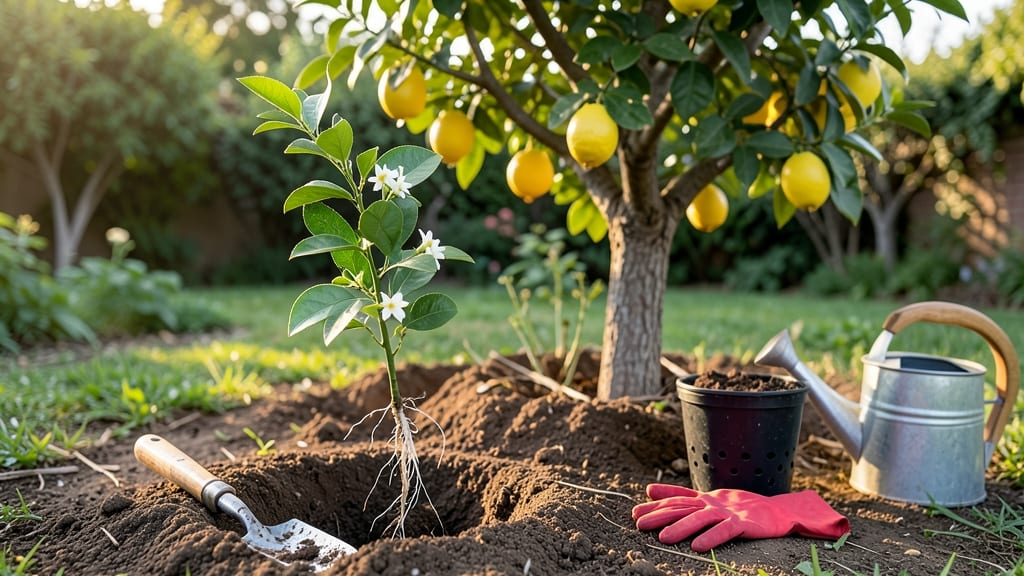
Planting a 🍋 lemon tree in the ground at the wrong time can turn your citrus dreams into a frosty disappointment—but getting the timing right means luscious fruit for years to come.
The key is waiting until after the last frost when soil temperatures hit at least 60°F, typically in April or May for most U.S. growers in zones like 6a.
Why does timing matter so much? Lemon trees are tropical at heart and hate cold, so planting too early risks shock or even death when unexpected frosts roll in. On the flip side, delaying too long can stunt root growth before summer heat sets in.
I’ll walk you through exactly when to plant based on your climate, plus how to prep your soil and spot the perfect sunny patch.
Even in cooler zones, you can still grow a lemon tree—it just takes smarter planning. Whether you’re digging in the ground or starting in containers, I’ll show you how to adjust for your local frost dates and give your 🍋 lemon tree the best shot at thriving.
Let’s get those roots in the dirt at the right moment!
Ready to avoid the common mistakes? You’ll learn how to check soil warmth, pick the sunniest spot, and even troubleshoot if your timing gets off track. Your future harvest depends on it—let’s make sure your lemon tree gets off to the right start.
Best months to plant lemon trees by USDA hardiness zones
Planting a lemon tree at the right time ensures strong root development and bountiful fruit production. Citrus trees thrive in warm climates, but even cooler zones can grow them with proper timing and protection.
The USDA Hardiness Zones 9-11 offer ideal conditions, while Zones 7-8 require careful planning to avoid frost damage.
Lemon trees need consistent warm soil temperatures (above 60°F/15°C) to establish roots. In colder zones, planting too early risks frost damage, while waiting too long can stunt growth. Let’s break down the best planting windows by zone to maximize success.
🌱
| USDA Zone | Best Planting Month | Soil Temp Requirement | Frost Risk | Winter Protection Needed |
|---|---|---|---|---|
| 9-11 | February - April | 60°F+ (15°C+) | None | No |
| 8 | April - May | 65°F+ (18°C+) | Low (late spring) | Yes (mulch + frost cloth) |
| 7 | May - Early June | 70°F+ (21°C+) | Moderate (fall frost) | Yes (container + move indoors) |
For Zones 9-11, the ideal planting window stretches from February to April, when soil temperatures consistently stay above 60°F (15°C). This aligns with the natural spring growth cycle and avoids summer heat stress for young roots.
In Zone 8, wait until April or May to plant, ensuring the last frost date has passed. Use mulch and frost cloth to protect young trees during unexpected cold snaps. Soil should be at least 65°F (18°C) for optimal root growth.
Gardeners in Zone 7 face the highest frost risk, so May to early June is the safest window. Plant in containers for mobility—move trees indoors when temperatures drop below 50°F (10°C). Soil must reach 70°F (21°C) before planting.
Always check your local frost-free dates and monitor soil temperature with a thermometer. Planting too early in cooler zones can lead to root damage or death, while delaying too long may result in stunted growth.
🌡️
If you’re in a transition zone (e.g., Zone 8a vs. 8b), err on the side of caution. Use microclimate advantages, like planting near a south-facing wall, to extend the growing season. For container-grown trees, delay planting until June if early spring is unpredictable.
Pro tip: Acclimate potted lemon trees gradually to outdoor conditions by placing them in partial shade for a week before full sun exposure. This reduces transplant shock and improves survival rates.
☀️
Signs your climate is ready for lemon tree planting
Planting a lemon tree at the wrong time can stunt its growth or even kill it—citrus trees are sensitive to cold and need warm soil to thrive. Before you dig that hole, check these critical climate indicators to ensure your lemon tree gets off to the best start.
I’ve learned from experience that skipping these steps often leads to root shock or winter damage.
First, verify your last frost date for your region. Lemon trees cannot tolerate frost, so planting too early risks freezing roots. Use the USDA Plant Hardiness Zone Map to find your zone—zones 9-11 are ideal, while zones 7-8 require winter protection or container growing.
For example, in Zone 8, wait until after May 15 to plant, while Zone 10 gardeners can plant as early as February.
🌱
⚠️ Warning: Planting Too Early or Late
Cold soil (<60°F) stunts root growth, while frost exposure kills young trees. Check these 3 critical signs before planting:
- Soil temp: Use a soil thermometer—ideal planting temp is 60°F+ at 6 inches deep.
- Frost-free: Plant 2-4 weeks after your last frost date to avoid root damage.
- Humidity: Lemon trees thrive in 40-60% humidity—dry climates need extra watering.
Pro Tip: Mulch heavily to insulate roots in cooler zones!
Next, test your soil temperature—this is often overlooked but crucial. Lemon trees need warm soil to establish roots quickly. Use a soil thermometer to check the temperature at a 6-inch depth. If it’s below 60°F, wait another week or two.
In my Zone 9 garden, I’ve found that April soil temps are usually perfect, but March plantings often fail because the ground is still cool.
Pay attention to your microclimate. Even in cold zones, some spots stay warmer due to heat-retaining walls, south-facing slopes, or urban heat islands. These areas can be 10°F warmer than the surrounding region, making them ideal for lemon trees.
For instance, a south-facing patio in Zone 7 might safely grow a potted lemon tree year-round, while the rest of the yard freezes.
Finally, monitor humidity levels. Lemon trees prefer moderate humidity (40-60%)—too dry or too wet can stress them. In arid climates, mulch with wood chips to retain moisture, while humid regions may need improved drainage to prevent root rot.
I once planted a lemon tree in a shady, damp spot and lost it within months—now I always check humidity before committing.
If you’ve confirmed all these signs—warm soil, frost-free window, and suitable microclimate—your climate is ready! Plant your lemon tree in well-draining soil with full sun exposure (6+ hours daily) for the best chance at a bountiful harvest. 🍋