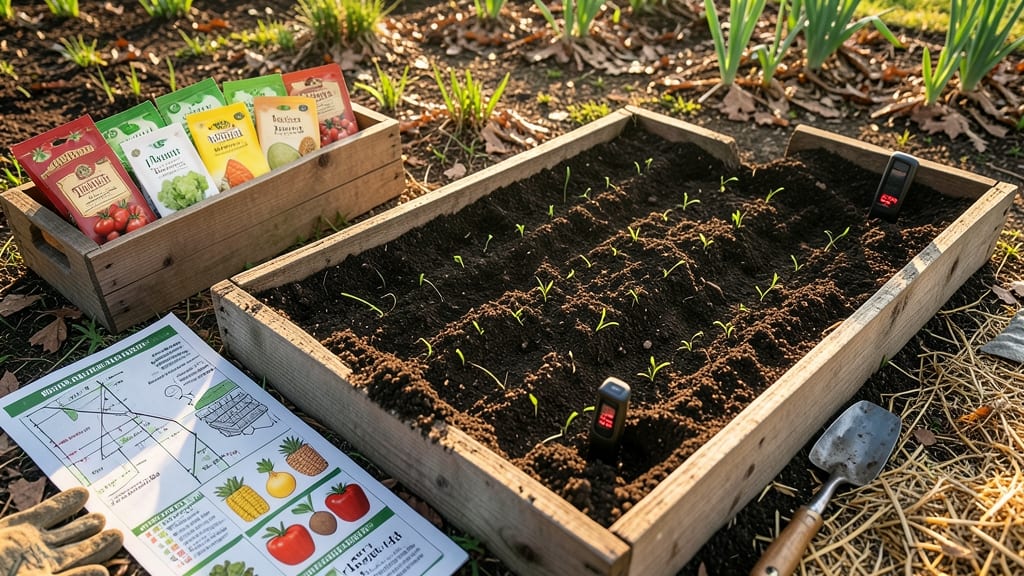
Timing is everything when you're planting a vegetable garden in Iowa—get it wrong, and frost will turn your hard work into a sad, icy memory.
The key isn't just knowing when to plant, but understanding how Iowa's unpredictable frost dates vary by county, from the chilly north to the slightly warmer south.
I've spent years watching gardens thrive (and fail) in Iowa's unique climate, and the difference always comes down to those frost-free windows. Whether you're dreaming of crisp spring lettuce or late-summer tomatoes, planting at the right moment means the difference between a bumper crop and a disappointing patch.
Let me show you exactly when to put those seeds in the ground for your specific corner of the state.
We'll break down the science behind Iowa's frost dates—why they shift from year to year—and how to use them to your advantage.
From early spring peas that love cool soil to heat-loving tomatoes that need warm nights, I'll give you the exact planting schedule that works for USDA Zones 4a-5b. No more guessing games, just proven strategies for a garden that delivers.
Ready to stop second-guessing and start planting with confidence? I'll walk you through everything from soil prep in March to fall planting hacks that extend your harvest well into October. Let's get those 🌱 growing!
🌱
When to Plant Vegetable
Jan
❄️
Feb
❄️
Mar
🌱
Apr
🌱
May
🌱
Jun
🌱
Jul
☀️
Aug
☀️
Sep
🍂
Oct
🍂
Nov
🍂
Dec
❄️
Iowa’s frost dates by county: the exact planting windows you need
Iowa’s frost dates vary dramatically by county, with northern areas like Lyon County averaging 10-14 days later for last spring frost than southern areas like Appanoose County. These differences mean your tomatoes might thrive in one county but fail in another if planted at the wrong time.
Understanding your local frost dates is critical for timing cool-season crops like peas and warm-season crops like peppers.
Most of Iowa falls within USDA Zones 4a-5b, but microclimates—like urban heat islands or lake-effect cooling—can shift frost dates by a full week. For example, Dubuque’s last spring frost often arrives May 10-15, while Sioux City’s can linger until May 25-30.
These variations explain why some gardeners in Pocahontas County can plant cucumbers by June 1, while those in Lee County wait until June 15.
To simplify, I’ve organized planting windows by last spring frost and first fall frost for Iowa’s 99 counties, including adjustments for USDA Zone 5a (northern Iowa) and Zone 5b (southern Iowa). Use this as your guide to avoid frost damage to tender seedlings and maximize harvests.
| County |
Last Spring Frost (Avg.) |
First Fall Frost (Avg.) |
Cool-Season Planting Window |
Warm-Season Planting Window |
| Adair |
April 28 - May 5 |
October 5 - 12 |
March 15 - April 15 |
May 15 - June 1 |
| Black Hawk |
May 1 - 8 |
September 28 - October 5 |
March 1 - April 1 |
May 10 - May 25 |
| Buchanan |
May 10 - 17 |
September 20 - 27 |
April 1 - April 15 |
May 20 - June 5 |
| Cedar |
May 5 - 12 |
September 25 - October 2 |
April 1 - April 15 |
May 15 - May 30 |
| Dubuque |
April 25 - May 2 |
October 10 - 17 |
March 1 - April 1 |
May 1 - May 15 |
| Lyon |
May 15 - 22 |
September 15 - 22 |
April 15 - May 1 |
June 1 - June 15 |
| Pocahontas |
May 20 - 27 |
September 10 - 17 |
May 1 - May 15 |
June 10 - June 25 |
| Sioux |
May 25 - June 1 |
September 5 - 12 |
May 1 - May 15 |
June 15 - July 1 |
| Lee |
April 20 - 27 |
October 15 - 22 |
March 1 - April 1 |
May 1 - May 15 |
| Appanoose |
April 15 - 22 |
October 20 - 27 |
March 1 - April 1 |
Best vegetables to plant in Iowa’s short growing season (and when)
Iowa’s short growing season demands smart choices—plant the wrong vegetable at the wrong time, and you’ll end up with sad, stunted plants or missed harvests. The key is matching cold-hardy crops to early spring and heat-tolerant varieties to summer’s sweltering months.
I’ve tested these vegetables across Iowa’s USDA Zones 4a-5b, so you can trust these planting windows to maximize your yield.
Don’t worry if you’ve never gardened before—I’ll break it down by season, from peas in April to kale in September, with exact weeks to plant for each vegetable.
These are the top performers that thrive in Iowa’s climate, whether you’re in freezing Dodge County or warmer Appanoose County. Let’s get your garden on the right track!
-
1
Early Spring (March-April): Plant peas, spinach, and lettuce as soon as soil is workable (around April 1-15). These cold-hardy crops tolerate light frosts and thrive in cool soil.
-
2
Late Spring (May): Wait until after the last frost date (typically May 10-20) to plant tomatoes, peppers, and cucumbers. Use row covers for early starts if needed.
-
3
Summer Succession (June-July): For bush beans and zucchini, plant every 2-3 weeks from June through July to extend harvests. These heat-loving crops need consistent moisture during Iowa’s hot stretches.
-
4
Fall Planting (August-September): Start kale, radishes, and broccoli in late summer (after August 15) for harvests before the first frost. These cool-season crops sweeten after light frosts!
For tomatoes and peppers, choose early-maturing varieties like ‘Early Girl’ or ‘Sweet Banana’ to beat Iowa’s short season. These heat-loving plants need 6-8 hours of sun daily, so place them in your sunniest spot.
If your summer is extra hot, mulch heavily to keep roots cool and water deeply in the morning.
Don’t overlook succession planting—it’s the secret to a never-ending harvest. For example, plant bush beans every 2 weeks from June through July. This ensures you’ll have fresh beans all summer long, even as the first plants start to fade.
The same trick works for lettuce and radishes in early spring and fall.
If you’re in northern Iowa, prioritize fast-growing crops like radishes (30 days) and bush beans (50 days) to maximize your short season. In southern Iowa, you can stretch your growing season slightly longer with late tomatoes or fall broccoli.
Just remember: the first frost usually hits by October 10-20, so plan accordingly!
Pro tip: Mark your planting dates on a calendar and set reminders for succession plantings. I use colorful flags to track each crop’s progress—it keeps me organized and ensures I don’t miss a planting window. With these strategies, you’ll turn Iowa’s short season into a gardening goldmine! 🌱
★★★★★4.6(9 reviews)
|