
Plants
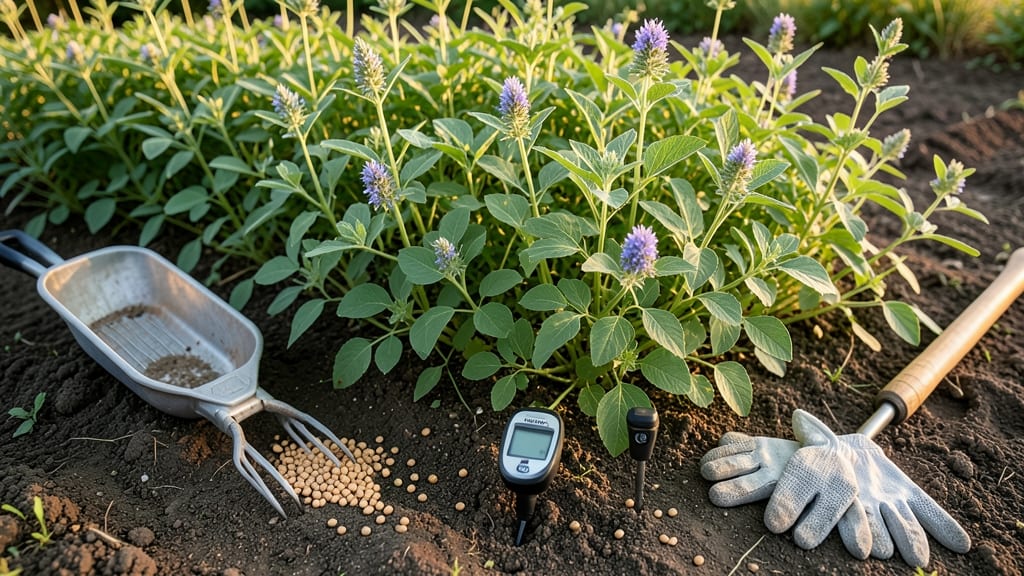
Timing your alfalfa planting in Oklahoma could mean the difference between a thriving forage crop and wasted effort. The perfect window depends on soil temperatures, frost dates, and even your county’s microclimate—get it wrong, and you’ll struggle with poor germination or stunted growth.
Most Oklahoma farmers know alfalfa 🌱 loves the spring, but the exact moment varies. Plant too early, and frost will kill your seedlings; too late, and you miss the ideal soil warmth for strong root development.
I’ll break down the critical deadlines by region so you can plant with confidence.
We’ll cover everything from testing soil temperatures to adjusting for Oklahoma’s 6b-7b zones. Whether you’re a first-time grower or a seasoned farmer, these insights will help you avoid common mistakes and set your alfalfa up for success from day one.
Ready to plant with precision? Let’s dive into the exact timing, spacing, and care tips that make all the difference in Oklahoma’s climate.
Oklahoma alfalfa planting deadlines by county: frost-free dates & critical windows
Timing is everything when planting alfalfa in Oklahoma—miss the frost-free window, and your seeds may rot or fail to germinate. Oklahoma’s USDA Zones 6b-7b create microclimates where last frost dates can vary by weeks, even between neighboring counties.
To ensure your alfalfa crop thrives, align your planting with local averages and soil temperature trends.
Most Oklahoma farmers and gardeners focus on two planting windows: early spring (March-April) and late summer (August-September). Spring planting gives alfalfa time to establish roots before summer heat, while fall planting avoids drought stress.
However, Panhandle counties (like Cimarron or Texas) often have earlier frost-free dates than southeastern regions like Choctaw or Muskogee.
Here’s a county-by-county breakdown of average last frost dates, soil warming timelines, and the critical planting windows for alfalfa in Oklahoma. Use these as guidelines, but always monitor your local weather forecasts for adjustments.
For spring planting, aim to sow alfalfa seeds 2–4 weeks after your county’s last frost date. This ensures soil temperatures reach the 50–70°F range ideal for germination.
In Panhandle counties, you can start as early as mid-March, while southeastern regions should wait until late March or early April.
Fall planting is riskier but possible if you sow seeds 6–8 weeks before your first frost. In Oklahoma City (Zone 7b), this means planting by mid-September to allow roots to establish before winter. Avoid fall planting in Zone 6b areas, where frosts arrive earlier.
Pro tip: Use a soil thermometer to confirm temperatures before planting. Alfalfa seeds won’t germinate well below 50°F, even if frost risk is low. Pair this with row covers for early spring plantings to protect tender seedlings from unexpected cold snaps.
In drought-prone areas like the western half of Oklahoma, prioritize deep soil preparation to retain moisture. Mix in compost or organic matter 4–6 weeks before planting to improve water retention. This is especially critical for alfalfa’s deep taproot system, which needs consistent moisture during establishment.
Remember: Alfalfa is a long-lived perennial, meaning your planting decisions affect yields for 3–5 years. Rush the process, and you risk stunted growth or disease susceptibility. Take the time to align your schedule with local frost dates and soil conditions for the best results.
🌱
Soil temperature requirements for alfalfa: when to plant for best germination rates
Alfalfa seeds need warm soil to germinate properly, and Oklahoma’s 50–70°F range is ideal. Planting too early in cold soil (below 50°F) slows growth, while waiting until soil exceeds 70°F risks stressing seedlings.
I’ve seen firsthand how microclimates in Oklahoma—like the cooler eastern regions versus the warmer panhandle—can shift your planting window by weeks.
For best results, aim to plant alfalfa when soil temperatures consistently stay between 55–65°F for at least 5–7 days. This typically aligns with late February to early April in most of Oklahoma, but timing varies.
The panhandle’s drier climate warms faster, while eastern counties near the Arkansas border may need to wait until mid-April.
Testing soil warmth is simpler than you think. Grab a soil thermometer (available at garden centers for under $10) and check temperatures at a 2-inch depth for 3–5 days. Morning readings (9–11 AM) are most reliable because soil cools overnight.
If temps dip below 50°F at night, wait a few more days—alfalfa seeds won’t germinate reliably in fluctuating conditions.
Oklahoma’s panhandle region (USDA Zone 7b) often hits ideal soil temps by early March, while eastern counties like Muskogee or Tulsa (Zone 6b) may need to wait until mid-to-late March. The key is patience: rushing into cold soil leads to stunted seedlings that struggle to establish roots.
I’ve seen alfalfa planted in 45°F soil take twice as long to sprout—and some seeds never break through at all.
Once soil reaches the sweet spot of 55–65°F, plant seeds ¼-inch deep in rows spaced 6–12 inches apart. Water gently but thoroughly to settle soil around seeds, then keep the area moist (not soggy) until germination, which typically occurs in 7–14 days.
Mulching with straw helps retain warmth and moisture, especially in Oklahoma’s windy spring conditions.
Fall planting is possible in southern Oklahoma (Zones 7a–8a), where soil stays warm longer. Target late August to early September for a second crop, but monitor soil temps closely—alfalfa seeds planted in soil above 75°F may fail to germinate.
Always prioritize soil temperature over calendar dates for the best chance at a healthy stand.