
Plants
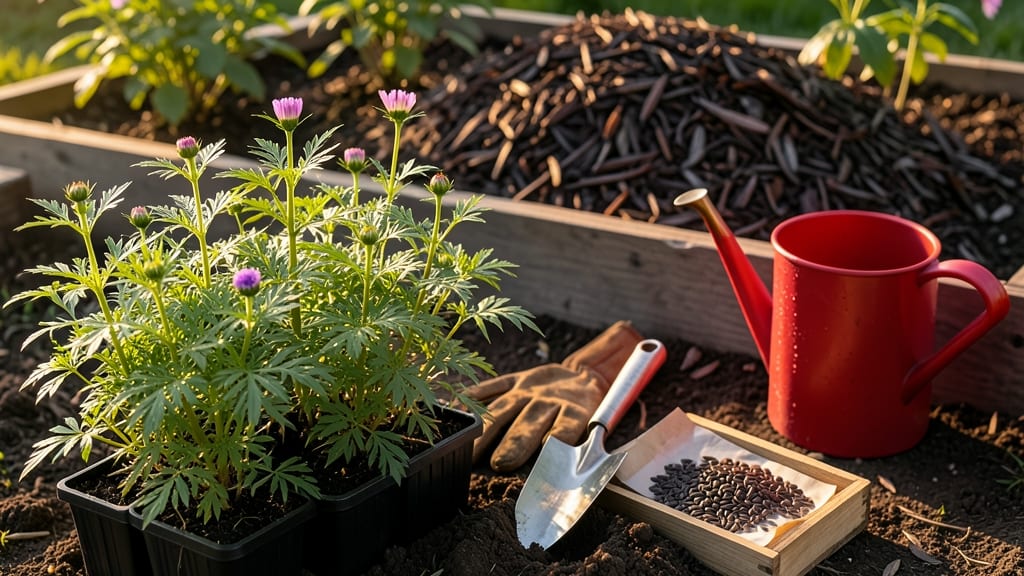
Planting annuals 🌸 in Wisconsin feels like a high-stakes game of timing—get it wrong, and your vibrant garden dreams could turn into a sad, frost-nipped memory. The key to success isn't just knowing when to plant, but understanding how Wisconsin's 4a-6b zones create wildly different planting windows across the state.
If you've ever stared at your seed packets in April wondering, "Is it too early?" or panicked in June when your tomatoes still look like baby plants, you're not alone.
The solution starts with mastering your zone's last frost date, which can vary by 2-3 weeks from southern Milwaukee to northern Superior. Let's break down exactly when to plant for peak blooms and bountiful harvests—without leaving your garden at Mother Nature's mercy.
What you'll discover here goes beyond the basic "plant after frost" advice. I'll share the exact planting windows for both spring and fall annuals, plus which varieties thrive when planted early (like hardy lettuce) versus those that demand warmth (think basil and marigolds).
Spoiler: Your timing affects everything from flower longevity to vegetable productivity.
Ready to transform your Wisconsin garden from "maybe next year" to "wow, look at this!"? Let's dive into the science—and simple strategies—that will have your annuals flourishing from April through October, no matter where you live in the Badger State.
Wisconsin last frost dates by USDA Zone: exact planting windows for annuals
Wisconsin spans USDA Zones 3-5b, meaning frost dates vary dramatically from northern forests to southern prairies. In Zone 3 (northern WI), last frosts average May 15, while Zone 5b (southern WI) sees frost-free conditions by April 25.
This 3-week difference determines whether your petunias or tomatoes survive spring's whims.
Frost-sensitive annuals like impatiens, coleus, and basil need consistent warmth—waiting until after the last frost prevents wilting. Historical data shows Zone 4a (central WI) has a 15% chance of frost after May 1, so I recommend waiting until May 10 for these heat-lovers.
For hardier annuals like pansies or kale, you can plant 2-3 weeks earlier.
| USDA Zone | Last Frost Date (Avg.) | Safe Planting Window | Frost Risk After | Example Annuals |
|---|---|---|---|---|
| Zone 3 | May 15 | May 20 - June 1 | 10% after May 25 | Pansies, Snapdragons, Lettuce |
| Zone 4a | May 1 | May 10 - May 25 | 15% after May 15 | Calendula, Marigolds, Spinach |
| Zone 4b | April 25 | April 30 - May 15 | 20% after April 30 | Petunias, Zinnias, Basil |
| Zone 5a | April 15 | April 20 - May 1 | 25% after April 20 | Impatiens, Coleus, Tomatoes |
| Zone 5b | April 25 | May 1 - May 10 | 30% after April 25 | Geraniums, Peppers, Vinca |
For Zone 5b gardeners in southern WI, you can push boundaries by planting warm-season crops like tomatoes or peppers as early as April 20 using row covers. However, in Zone 3, even hardy greens like spinach may need row covers until after May 20.
Always check your local microclimate—valleys and low areas freeze 2-3 days later than hillsides.
Use soil thermometers to confirm readiness: 50°F (10°C) is ideal for warm-season annuals, while cool-season crops tolerate 40°F (4°C). In my Zone 4b garden, I’ve seen zinnias bolt when planted too early, so I wait until May 1 for heat-lovers.
For succession planting, add fast-growing annuals like bush beans every 2 weeks after your safe window opens.
Historical data from the Midwestern Regional Climate Center shows Zone 4a has had late frosts as late as June 5 (0.5% chance), so I recommend keeping frost-sensitive starts indoors until May 15.
For container gardening, move pots to protected areas at night until the 10-day forecast shows no frost risk. My coleus plants in Zone 5a thrived after I waited until May 1—earlier plantings wilted twice.
Pro tip: Bookmark the Wisconsin State Climatology Office frost maps for real-time updates. Their 30-year averages help adjust for climate shifts.
For example, Zone 5b now sees 5 fewer frost days than in the 1980s. This means tomatoes can sometimes go in by April 15—but I still wait until April 25 to be safe. Always pair planting dates with moon phases for root crops (like carrots) and leafy greens.
If you’re in Zone 3, consider starting annuals indoors 6-8 weeks before your last frost. My impatiens
Wisconsin gardeners know the struggle: marigolds that bolt in July or lettuce that bolts in May. The difference often comes down to whether you're planting heat-loving annuals or cool-season varieties. In Wisconsin's 4a-6b zones, timing can mean the difference between a garden that thrives and one that fizzles. Heat-lovers like basil and zinnias need to wait until soil temperatures hit 60°F+, while cool-season stars like pansies and snapdragons can handle 40°F+ soils. Getting this wrong means wasted seeds or sad, stunted plants. Let me show you exactly when to plant each type for maximum impact in your Wisconsin garden. For heat-loving annuals, wait until after May 15 in southern Wisconsin or June 1 in northern zones. My go-to varieties include marigolds (plant June 1-15), zinnias (June 10-25), and basil (June 15-30). These plants reward patience with bold colors and continuous blooms through frost. Cool-season annuals deserve your attention 4-6 weeks before last frost. In southern Wisconsin, that means March 20-April 15 for pansies and snapdragons, while northern areas should wait until April 15-May 1. Don't forget lettuce and spinach—they'll bolt if planted too late! Pro tip: Use succession planting for continuous blooms. Sow cosmos every 2 weeks from June through July, and you'll have color until October. For vegetables, try bush beans every 3 weeks from May until July 15 for a steady harvest. Remember, Wisconsin's first frost typically arrives October 15, so plan your fall plantings accordingly. Kale and pansies actually taste sweeter after frost—nature's way of rewarding your timing skills! 🌱Heat-loving annuals vs. cool-season annuals: Wisconsin planting schedule by variety
🌡️ Heat-Loving Annuals
Pros
Cons
🌬️ Cool-Season Annuals
Pros
Cons