
Plants
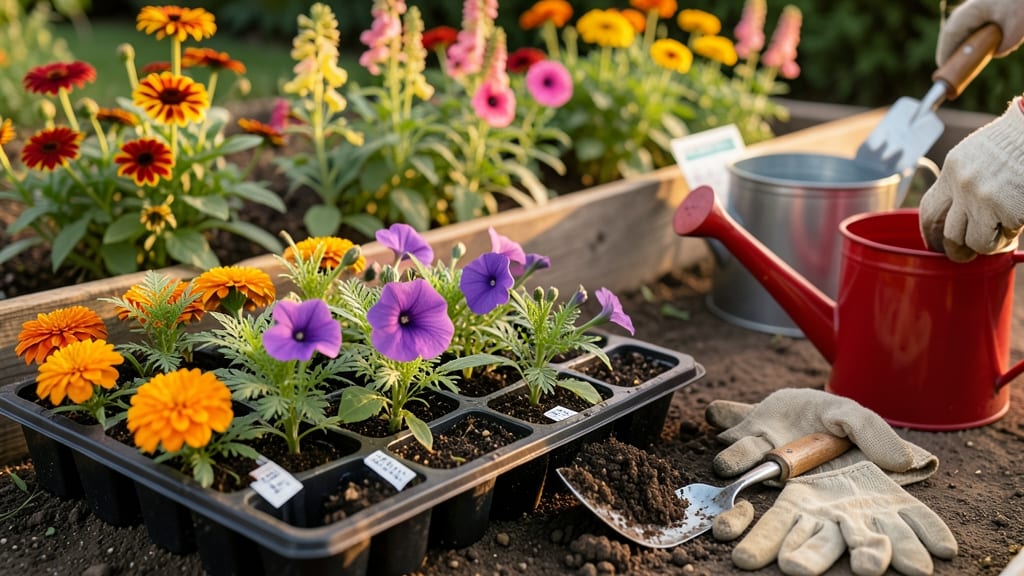
Planting annuals in Zone 6 at the wrong time can turn your dream garden into a frost-killed disappointment—so timing is everything. The difference between vibrant blooms and wilted seedlings often comes down to knowing when the last frost typically passes in your area.
I’ve learned the hard way that rushing annuals 🌱 into cold soil or waiting too long can ruin the season. Whether you’re growing colorful flowers or crisp vegetables, understanding your local frost dates is the key to success.
Let’s break down exactly when to plant for the best results in Zone 6.
From cool-season favorites like pansies to heat-loving zinnias, each plant has its own ideal window. You’ll discover how to adjust for early or late frosts and even extend your growing season with simple tricks. Ready to turn your garden into a showstopper?
Stay tuned for a month-by-month guide that takes the guesswork out of planting. With the right timing, your annuals will thrive all summer long—no frost-related surprises included.
Zone 6 last-frost dates by month: critical timing for annual planting success
Getting your annuals in the ground at the right time in Zone 6 is like hitting a moving target—frost dates shift yearly, and regional microclimates add another layer of complexity.
The average last-frost date for most of Zone 6 falls between April 15 and May 15, but this can vary by 10-14 days depending on whether you're in northern Pennsylvania or southern Tennessee.
For gardeners, this means the difference between lush summer blooms and wilted seedlings after a surprise freeze. I’ve planted marigolds too early in central Ohio only to watch them crisp overnight—lesson learned.
The key is understanding your local patterns and adjusting for heat-tolerant annuals that can handle delayed starts.
Below is a regional breakdown of last-frost dates, along with planting windows for cool- and warm-season annuals. Use this as your guide, but always check your local USDA Plant Hardiness Zone map for precision.
🌱
| Region | Avg. Last Frost | Safe Planting Window | Heat-Tolerant Annuals |
|---|---|---|---|
| Northern Zone 6 (e.g., Pittsburgh, PA) | April 25–May 5 | May 10–20 (after soil warms) | Zinnias, Sunflowers, Okra |
| Central Zone 6 (e.g., Columbus, OH) | April 15–April 30 | April 25–May 10 | Marigolds, Sweet Potatoes, Black-Eyed Peas |
| Southern Zone 6 (e.g., Nashville, TN) | March 25–April 10 | April 1–April 15 (earlier for cool crops) | Peppers, Eggplant, Basil |
| Mountainous Areas (e.g., Charleston, WV) | May 5–May 15 | May 20–June 1 (delayed) | Cosmos, Portulaca, Amaranth |
If you’re in northern Zone 6, wait until soil temperatures hit 60°F (15°C)—use a soil thermometer to avoid cold shock.
In southern areas, you can start warm-season annuals like tomatoes as early as April 1, but protect them with row covers if nights dip below 50°F (10°C).
For cool-season annuals like lettuce or pansies, you can plant 4-6 weeks before your last frost date. In Zone 6, that means mid-March to early April in most areas.
These hardy annuals can even handle light frosts, but avoid planting tender varieties like petunias until after the last frost.
Pro tip: Use frost-sensitive annuals like geraniums or begonias as your canary in the coal mine. If they survive a late frost, your tomatoes and peppers are likely safe to plant. If not, hold off another 1-2 weeks.
Don’t forget about fall planting! In Zone 6, your first frost typically arrives between October 15 and November 15.
For cool-season annuals, aim to plant 8-10 weeks before frost, so late July to early September works best. Kale, radishes, and pansies thrive in these conditions.
🌿
Adjusting for early or late frosts is part of the game. If you’re in a microclimate (like a sheltered valley or urban heat island), your frost dates may shift by 1-2 weeks.
Keep a garden journal to track your local patterns—over time, you’ll refine your planting schedule like a pro.
For heat-tolerant annuals that can handle delays, prioritize zinnias, sunflowers, and sweet potatoes. These can often be planted 2-3 weeks after your average last frost date without sacrificing performance. Just be prepared to water deeply during dry spells.
✂️
Best annuals to plant in Zone 6 by season: from cool to warm-loving flowers
Choosing the right annuals for Zone 6 means matching each plant to its ideal planting window. Spring-bloomers like pansies and snapdragons thrive in cooler temperatures, while summer favorites such as marigolds and zinnias crave warmth. Even fall-planted cosmos and calendula need precise timing to avoid early frosts.
I’ve tested these annuals in my own garden, and the difference between a vibrant display and a sad, frost-nipped failure comes down to knowing exactly when to plant each type.
Zone 6 gardeners face unique challenges—early springs with lingering frost or sudden late-season freezes. The key is understanding which annuals can handle cool-season planting and which need warm soil to germinate.
Let’s break down the best annuals for each season, their ideal planting windows, and how to care for them once they’re in the ground.
Spring Annuals (March–April)
Plant pansies and snapdragons 4–6 weeks before last frost. These cool-lovers tolerate light frost and bloom until summer heat arrives.
Summer Annuals (May–June)
Wait until soil warms to 60°F+ for marigolds and zinnias. These heat-lovers need consistent moisture to avoid wilting in Zone 6’s summer heat.
Fall Annuals (August–September)
Sow cosmos and calendula 8–10 weeks before first frost. They thrive in cooler fall temps and add late-season color before winter sets in.
For spring annuals, I recommend starting seeds indoors in late winter if your Zone 6 area has a late frost date. Pansies and snapdragons are my go-to cool-season plants—they handle light frosts and bloom nonstop until summer heat arrives.
Plant them in well-draining soil with partial shade to prevent bolting. Mulch around the base to retain moisture and protect roots from temperature swings.
When summer arrives, switch to heat-loving annuals like marigolds and zinnias. These plants need full sun and consistent watering to thrive in Zone 6’s intense summer heat. I’ve found that marigolds deter pests naturally, while zinnias attract pollinators. Deadhead spent blooms regularly to encourage continuous flowering through fall.
Don’t overlook fall annuals like cosmos and calendula—they’re perfect for extending your garden’s season. Plant them in late summer after the hottest days pass. These drought-tolerant plants handle cooler temps beautifully and add cheerful color when many summer annuals fade.
Use them in borders or containers for a late-season pop of color.
Pro tip: Always check your local last-frost dates (typically late April–early May in Zone 6) and adjust planting times if your area runs colder. A simple soil thermometer ensures you’re planting warm-season annuals only when the ground is ready.
With the right timing, your garden will bloom from spring to frost—no missed windows allowed!