
Plants
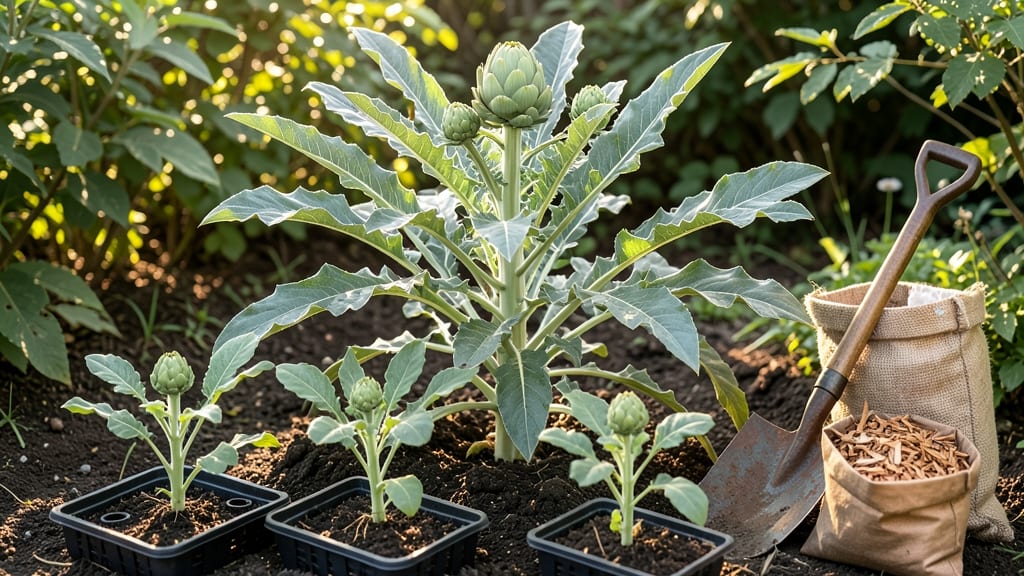
Planting artichokes in Zone 7 at the wrong time can mean the difference between a thriving 🌱 harvest and wasted effort. Unlike cold-hardy greens, these Mediterranean beauties demand precise timing to survive Zone 7's unpredictable frosts and still produce those prized, tender buds.
Most gardeners assume spring is the only window, but late winter transplants can actually give you an earlier harvest. The key is understanding your last frost date—typically around March 15 in Zone 7—and planting 4-6 weeks before that critical mark. This gives seedlings time to establish roots before temperatures climb.
What makes artichokes particularly tricky in Zone 7 is their sensitivity to both cold snaps and summer heat. A late frost can kill young plants, while planting too early in cold soil stunts growth.
I'll show you exactly how to time your planting for zero-frost survival—plus which varieties handle Zone 7's climate best.
Whether you're a first-time grower or a seasoned gardener looking to boost your yield, these insights will help you avoid common mistakes. Let's dive into the perfect planting schedule that actually works for Zone 7's unique conditions.
Ideal planting windows for artichokes in Zone 7 (with frost survival tips)
Zone 7 gardeners have two prime opportunities to plant artichokes: late winter (February) and early spring (March-April). These Mediterranean plants thrive when soil temperatures reach 60°F+, but timing is critical to avoid frost damage.
The last average frost date for Zone 7 is typically March 15, so aim to plant 4-6 weeks before this date for optimal survival.
For the earliest harvest, start seedlings indoors in January and transplant outdoors in late February. This gives plants a head start before soil warms. Alternatively, direct-sow seeds in March when soil temperatures consistently stay above 55°F—this is my preferred method for avoiding transplant shock.
Fall planting is not recommended in Zone 7 because artichokes need 120-150 days to mature. Planting too late risks buds forming before the first frost (November 15), which can ruin your harvest. Instead, focus on these two spring windows for reliable results.
Urban gardeners in Zone 7 often face microclimate challenges like cold air pockets or heat islands. To extend your planting window, use black plastic mulch to warm soil faster or row covers for late February plantings.
I've had success with floating row covers that raise soil temps by 2-3°F—just remove them when buds form to prevent heat stress.
Soil preparation is just as critical as timing. Artichokes demand well-draining soil with a pH of 6.5-7.5. Amend heavy clay with compost and sand to prevent root rot, and work in 2 inches of compost at planting.
My go-to mix is 50% garden soil, 30% compost, and 20% perlite for optimal drainage.
For container growers, choose 5-gallon pots minimum and plant one per container. Containers warm up faster than garden beds, so you can plant 1-2 weeks earlier than in-ground. Just ensure pots have drainage holes and use a lightweight potting mix to prevent waterlogging.
Monitor soil temperature (not air temp) with a soil thermometer. Artichokes won't germinate below 55°F, and growth stalls below 60°F. In my Zone 7a garden, I've seen seeds take 14-21 days to sprout when planted at 60°F—double that time if soil is cooler.
Protect young plants from late frosts using frost cloth or a mini greenhouse. Even a single night below 28°F can kill seedlings. I've used cloche tunnels made from PVC pipes and plastic sheeting for 3-4 weeks after transplanting with great success.
Remember: Artichokes are perennials in Zone 7 but often treated as annuals due to their 3-4 year lifespan. With proper winter mulching (6+ inches of straw), they'll regrow each spring, giving you multiple harvests over time.
How to time artichoke transplants for zero-frost survival in Zone 7
Timing your artichoke transplants in Zone 7 isn't just about avoiding frost—it's about giving your plants the best shot at thriving. The key is planting when soil temperatures reach 60°F (15°C), not air temperature.
In my experience, this usually aligns with mid-March to early April, but your exact window depends on microclimates. For example, urban areas with concrete heat retention may warm up faster than rural spots.
Artichokes are tender perennials in Zone 7, meaning they can survive mild winters if protected. However, young transplants are vulnerable to light frosts (below 28°F (-2°C)). The solution? Plant after your last frost date and use protective measures like row covers or cold frames for early-season insurance.
I’ve seen firsthand how a 30°F (-1°C) dip can stunt growth if plants aren’t hardened off properly.
- 1 Calculate your last frost date: Use the USDA Plant Hardiness Zone Map for Zone 7’s average last frost (March 15). For local precision, check your microclimate—southern slopes warm faster than valleys.
- 2 Monitor soil temperature: Plant only when soil reaches 60°F (15°C), 2–3 inches deep. A soil thermometer is worth its weight in gold here—air temps can lag behind soil warmth by 1–2 weeks.
- 3 Hardening off seedlings: Start 2 weeks before transplanting. Gradually expose seedlings to outdoor conditions (sun, wind, cooler nights) for 1–2 hours daily, increasing time by 30 minutes each day.
- 4 Time your transplant: Move seedlings 4–6 weeks before last frost if using row covers or cold frames. Without protection, wait until 2 weeks post-frost to minimize risk.
- 5 Adjust planting depth: Bury transplants deeper than pots (up to 2 inches) to stabilize stems and protect roots from temperature swings. This also encourages stronger root growth.
- 6 Use protective layers: Cover young plants with floating row covers or cloches if nights dip below 40°F (4°C). Remove covers during the day to prevent overheating.
One of the biggest mistakes I see is planting artichokes too early in cold soil. Roots struggle to absorb nutrients below 50°F (10°C), leading to stunted growth or even death. Always prioritize soil warmth over air temperature—it’s the real indicator of when your plants can thrive.
For example, in my garden, I’ve had 70°F (21°C) air temps in March, but soil stayed below 55°F (13°C) until April.
If you’re pushing the envelope for an early harvest, consider late-winter transplants (February) under cold frames. This can shave 3–4 weeks off your growing season, but requires vigilant monitoring.
I’ve successfully grown artichokes this way in Zone 7, but it demands daily checks for frost and proper ventilation to avoid fungal diseases like powdery mildew.
Remember, artichokes are perennials in Zone 7, so getting them established early pays off for years. With the right timing and protection, you’ll enjoy harvests from June through August—and maybe even a few stubborn buds in fall if temperatures stay mild.
The secret isn’t just avoiding frost; it’s giving your plants the confidence to grow strong from day one.