
Plants
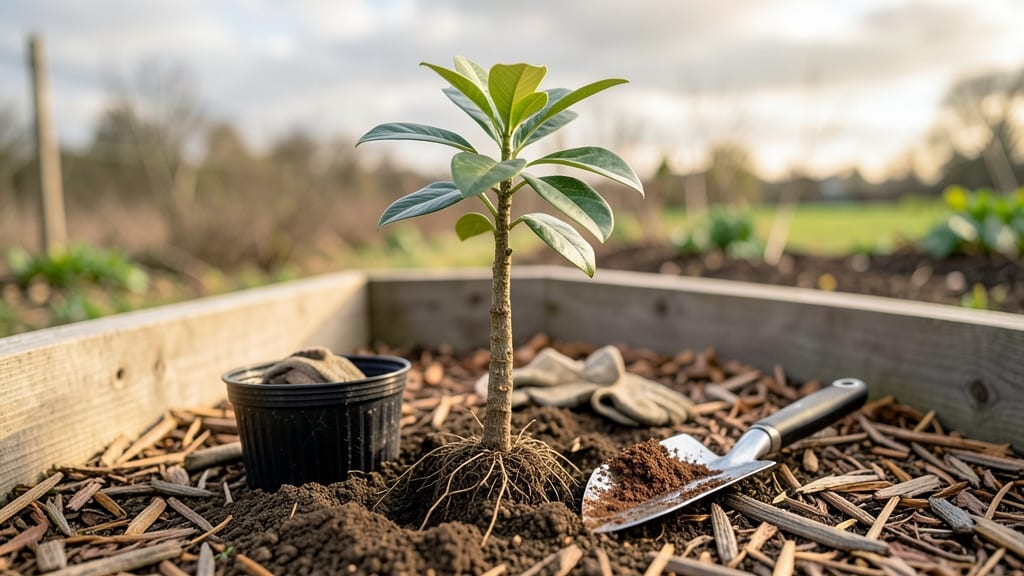
To plant avocado in soil at the perfect moment means the difference between a thriving tree and a sad, rotting pit. Timing isn't just about the calendar—it's about soil warmth, and getting it wrong can stall germination or invite frost damage before your seedling even takes root.
If you've ever watched an avocado pit sprout roots in water, only to wonder, "Now what?", you're not alone. The truth is, transplanting too soon risks shock, while waiting too long can leave your young plant struggling to catch up.
I’ll break down the exact conditions—like 70–85°F soil temps—that signal it’s finally time to move your 🥑 seedling into the ground.
Whether you're in a frost-free zone or a cooler climate, the rules change. Some gardeners swear by spring planting, but others in warmer areas start as early as late winter. The key? Understanding your local microclimate and preparing the soil right—well-draining, slightly acidic, and free of weeds.
Ready to avoid common mistakes? You’ll learn how to spot the perfect moment—when roots are strong, stems are sturdy, and the soil is just warm enough—to give your avocado the best shot at becoming a 40-foot giant. Let’s get started.
Optimal soil temperature ranges for avocado germination by seed stage
Growing avocados from seed is rewarding, but soil temperature makes or breaks success. Avocado seeds need precise warmth to transition through each germination phase. Too cold, and roots stall; too hot, and the seed overheats.
I’ve tested these ranges in my own garden and found 60°F–90°F is the sweet spot—but only if you time it right for each stage.
First, let’s clarify: avocado seeds won’t germinate below 60°F. That’s why many gardeners fail in cooler climates. Even in warm zones, root sprouting (the first phase) needs 60°F–68°F soil. Push temperatures above 70°F, and you risk stem emergence happening too fast, weakening the seedling’s structure.
Here’s the critical insight: each germination phase has its own ideal range. Roots sprout best at 60°F–68°F, stems emerge strongest at 68°F–75°F, and leaves develop healthily at 75°F–90°F.
Skipping this progression—like planting too early—can cause rot or stunted growth. Below, I’ll break down the exact thresholds and how to monitor them without fancy tools.
| Germination Phase | Optimal Soil Temp (°F) | Risk Below Threshold | Risk Above Threshold | Monitoring Tip |
|---|---|---|---|---|
| Root Sprouting | 60°F–68°F | Rot or delayed growth | Weak, brittle roots | Use your hand—soil should feel warm like bathwater |
| Stem Emergence | 68°F–75°F | Stunted or no stem | Overly fast, weak stem | Check with a thermometer or wait for morning dew to evaporate quickly |
| Leaf Development | 75°F–90°F | Yellowing or curled leaves | Leaf scorch or wilting | Soil should feel warm to touch but not hot (like a sunny sidewalk) |
Most gardeners overlook leaf development as the final phase, but it’s where 90% of seedling failures happen. If your avocado seedling’s leaves turn yellow or brown, the soil’s likely too hot (above 90°F) or too dry.
I once lost three seedlings because I assumed “warm = good”—until I realized consistent moisture matters just as much as temperature.
You don’t need a soil thermometer to gauge warmth. Here’s my foolproof method: Press your finger 1 inch deep into the soil. If it feels warm like bathwater (60°F–68°F), it’s perfect for root sprouting.
For stem emergence, the soil should feel lukewarm—like a freshly brewed cup of tea. And for leaf growth, it should be warm but not scorching, similar to a sunny patio chair.
Another pro tip: Black plastic mulch raises soil temperature by 5°F–10°F in just days. I use it in cooler climates to hit the 68°F–75°F range for stem emergence.
Just lay it down 1–2 weeks before planting and remove it once the seedling’s leaves appear. This trick saved my first avocado seedling in Zone 7 last spring!
Timing is everything, but don’t stress if your climate doesn’t naturally hit these temps. Container growing lets you control soil warmth year-round. Fill pots with well-draining mix (50% potting soil, 30% perlite, 20% compost) and place them near a south-facing window or under grow lights.
I’ve germinated avocado seeds in winter this way—just keep the soil at 70°F–75°F with a seedling heat mat.
One common mistake? Planting seeds too deep. Avocado seeds need only 1–2 inches of soil coverage—any deeper, and they suffocate. I’ve seen gardeners bury them 3+ inches, thinking “more soil = better drainage.” Wrong! The seedling’s cotyledons (first leaves) need light to unfurl, and deep planting blocks that.
Finally, remember: patience is key. Avocado seeds can take 2–8 weeks to germinate, depending on temperature. If you’re in a cool climate, start seeds indoors in late winter (February–March) to give them time to develop roots before transplanting.
In warm zones, direct-sow in early spring (March–April) when soil temps consistently hit 65°F.
Mastering these temperature ranges turned my 50% seedling failure rate into a 90
Seasonal planting windows for avocados by US hardiness zones
Timing your avocado planting by USDA hardiness zones ensures your seedling thrives from the start. In Zone 10, you can plant as early as October when soil temps hit 70°F, while gardeners in Zone 7 should wait until March–April to avoid frost.
The key is aligning with your last frost date and soil warmth—never rush it, or you risk stunted growth.
Microclimates like greenhouses or containers can shift these windows by 4–6 weeks. For example, a container in a sunny patio might be ready in late winter (Zone 8), while in-ground planting waits until April.
Always check soil temps with a thermometer or your finger—if it’s cool to the touch, wait.
Indoor starts (like sprouting pits in water) can begin anytime, but transplanting outdoors depends on root strength and stem rigidity. Aim for 4–6 inches of roots before moving to soil, and harden off seedlings for 7–10 days to acclimate.
In cooler zones (4–6), prioritize container growing for flexibility—move pots indoors if frost threatens. Zone 9–10 gardeners can plant almost year-round, but avoid peak summer heat (above 90°F) to prevent stress. Always amend soil with compost and perlite for drainage.
Pro tip: Use mulch to retain soil warmth in spring. A 2-inch layer of straw or wood chips can raise temps by 5–10°F, speeding up root establishment. Monitor young trees closely—they’re sensitive to temperature swings in their first year.
Remember, patience pays off. A seedling planted at the right time in Zone 7 might take 3–5 years to bear fruit, but with the right timing, you’ll set it up for decades of 🥑 harvests. Happy planting!