
Plants
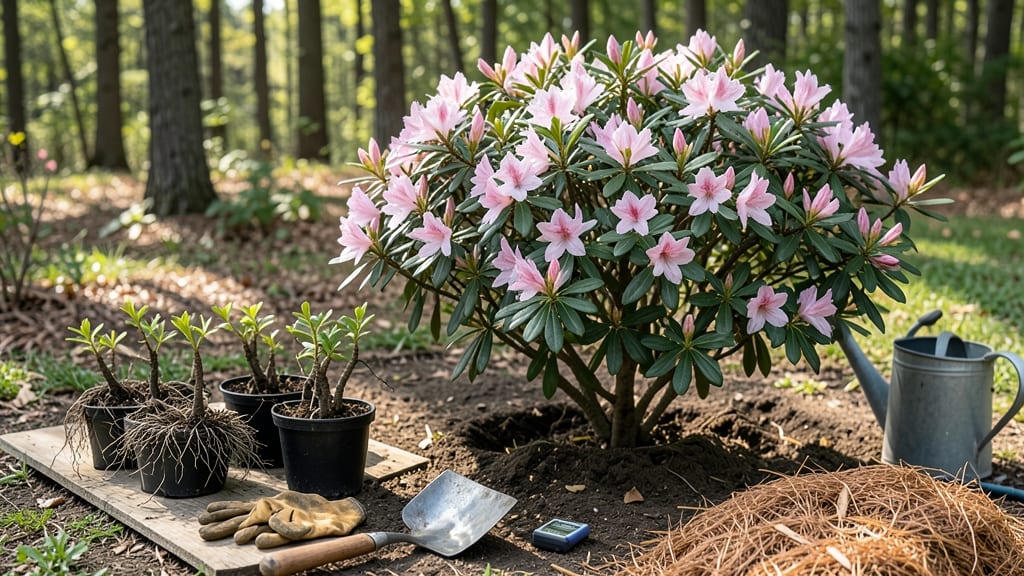
Planting azaleas 🌸 in Arkansas at the wrong time can mean the difference between vibrant blooms and struggling shrubs—because timing isn’t just about seasons, it’s about matching your region’s chill hours and soil conditions.
If you’ve ever watched your azaleas fail to thrive despite your best efforts, you’re not alone. Arkansas’s unique climate—with its 7a-8b zones and unpredictable frost dates—demands a strategic approach to planting these acid-loving shrubs.
In this guide, I’ll break down the exact windows for planting azaleas in Arkansas, whether you’re in the cooler north or warmer south.
You’ll discover why fall planting often wins over spring, how to prep your soil for optimal pH, and pro tips to protect your new shrubs from Arkansas’s erratic weather.
Ready to turn your garden into a showstopping display of color? Let’s get started with the secrets to planting azaleas at the perfect moment for your region.
Optimal Arkansas azalea planting times: chill-hours and regional zones explained
Arkansas’s USDA zones 6-8 create a unique challenge for azalea gardeners. These acid-loving shrubs need 300-1,000 chill hours—a cold period that varies dramatically between North Arkansas (zone 6) and Little Rock (zone 8). Planting at the wrong time can stunt growth or even kill your azaleas before they bloom.
Most gardeners assume fall planting is best, but Arkansas’s variable frost dates (November 15 in the north vs. December 1 in the south) mean timing is everything. The key is understanding how chill hours interact with your local microclimate—not just the calendar.
| Region | USDA Zone | Chill Hours Needed | Best Planting Window | Deadline |
|---|---|---|---|---|
| North Arkansas (Bentonville, Fayetteville) | 6a-6b | 800-1,000+ | Mid-October to November 15 | November 30 (before hard frost) |
| Central Arkansas (Little Rock, Hot Springs) | 7a-7b | 500-700 | Late October to December 1 | December 15 (before first frost) |
| South Arkansas (El Dorado, Texarkana) | 8a-8b | 300-500 | November 1 to January 15 | February 1 (before spring heat) |
| Spring Alternative (All Regions) | 6-8 | Varies | February 15 to March 15 | April 1 (before bud break) |
*Chill hours = cumulative hours below 45°F needed for blooming.
In North Arkansas, where winters are colder, you’ll need high-chill azaleas (like 'Girard’s Pink') planted by November 15 to establish roots before the ground freezes. These varieties need 800+ chill hours, so spring planting is risky—they may bloom poorly or not at all.
For Central Arkansas (Little Rock area), medium-chill types (400-600 hours) like 'Hino Crimson' thrive when planted in late October. The goal is to give roots 6-8 weeks to establish before winter dormancy. Planting after December 1 risks frost damage to tender new roots.
Southern Arkansas gardeners have the most flexibility—their low-chill varieties (300-400 hours) can handle November-January planting. Varieties like 'Southern Indica' bloom beautifully with minimal chill, making them perfect for zone 8. Just avoid planting after February 1, or summer heat will stress young plants.
Spring planting is an option, but it’s riskier. Plant between February 15 and March 15 to give roots time to establish before summer heat. The trade-off? Spring-planted azaleas may bloom 1-2 years later than fall-planted ones. For container-grown azaleas, spring is safer—they’ve already developed some roots in pots.
One critical mistake Arkansas gardeners make is ignoring microclimates. A north-facing slope in zone 7 might get 100+ extra chill hours than a south-facing yard. Use this to your advantage: plant high-chill varieties in cooler spots and low-chill types in warmer areas.
Pro tip: Mulch heavily (3-4 inches of pine bark) after planting to protect roots from temperature swings. In North Arkansas, add a light frost cloth in late fall for extra protection. For container azaleas, move pots to a shaded garage during winter freezes.
Remember: Azaleas planted in fall will bloom the following spring, while spring-planted ones may wait until year two. Choose your timing based on whether you prioritize immediate color or root establishment.
Either way, Arkansas’s climate rewards gardeners who pay attention to chill hours and local frost dates.
Soil pH secrets: how Arkansas clay and acid-loving azaleas clash (and fix it)
Arkansas’s rich, clay-heavy soil is a double-edged sword for azaleas 🌸. While it provides excellent drainage in some areas, its naturally alkaline pH (6.5-7.5) creates a hostile environment for these acid-loving shrubs, which thrive only in pH 4.5-6.0.
Without proper adjustments, your azaleas may show yellowing leaves, stunted growth, or—worst of all—fail to bloom entirely.
This clash happens because Arkansas’s native soils lack the organic matter and natural acidity azaleas need. The clay particles bind nutrients tightly, making them unavailable to plants, while the high pH prevents the uptake of essential iron and manganese.
Even if you plant at the perfect time, wrong soil chemistry will sabotage your efforts.
Don’t panic—fixing your soil’s pH is simpler than you think. The key lies in organic amendments like pine bark fines, peat moss, or sulfur-based fertilizers, which gradually lower pH over time.
For immediate results, synthetic acidifying fertilizers can give your azaleas the quick boost they need to establish roots and prepare for blooming season.
⚠️ callout-warning ⚠️
⚠️ WARNING: Over-Acidifying Kills Too!
While azaleas need acidic soil (pH 4.5-6.0), Arkansas gardeners often make the mistake of over-acidifying, which can damage roots and harm beneficial soil microbes. Test your soil annually—never guess! Use a DIY pH test kit (like the Luster Leaf model) or send a sample to your local Cooperative Extension Service for precise readings.
✅ Pro Tip: Aim for pH 5.5—the sweet spot for Arkansas azaleas—by blending 50% native soil with 50% acidic amendments.
Start by testing your current soil pH before making amendments. Dig a 6-inch hole near where you’ll plant your azaleas and collect samples from multiple spots. Mix these samples together, then use a home pH test kit (available at garden centers for under $10) to check the reading.
If your soil tests above 6.0, you’ll need to lower the pH—and the good news is, this process is gradual, so you can adjust over time.
For organic amendments, spread a 2-3 inch layer of pine bark fines or peat moss over the planting area and mix it into the top 12 inches of soil. These materials release organic acids as they break down, slowly acidifying the soil.
For faster results, apply elemental sulfur at a rate of 1-2 pounds per 100 square feet, watering it in thoroughly. Remember, sulfur works best in moist soil, so keep the area well-watered for 4-6 weeks after application.
Long-term maintenance is just as important as initial amendments. Every spring and fall, top-dress your azalea beds with a 1-inch layer of composted pine needles or leaf mold to maintain acidity.
Avoid synthetic fertilizers with high lime content, as these will raise your soil’s pH and undo your hard work. Instead, opt for acid-loving plant fertilizers labeled for azaleas, rhododendrons, and camellias.
With the right soil pH, your Arkansas azaleas will reward you with vibrant blooms year after year. The secret isn’t just timing—it’s creating the perfect acidic environment that mimics their natural habitat.
Once you’ve adjusted your soil, you’ll see healthier foliage, stronger growth, and showstopping flowers that turn heads in your neighborhood. 🌿