
Trees
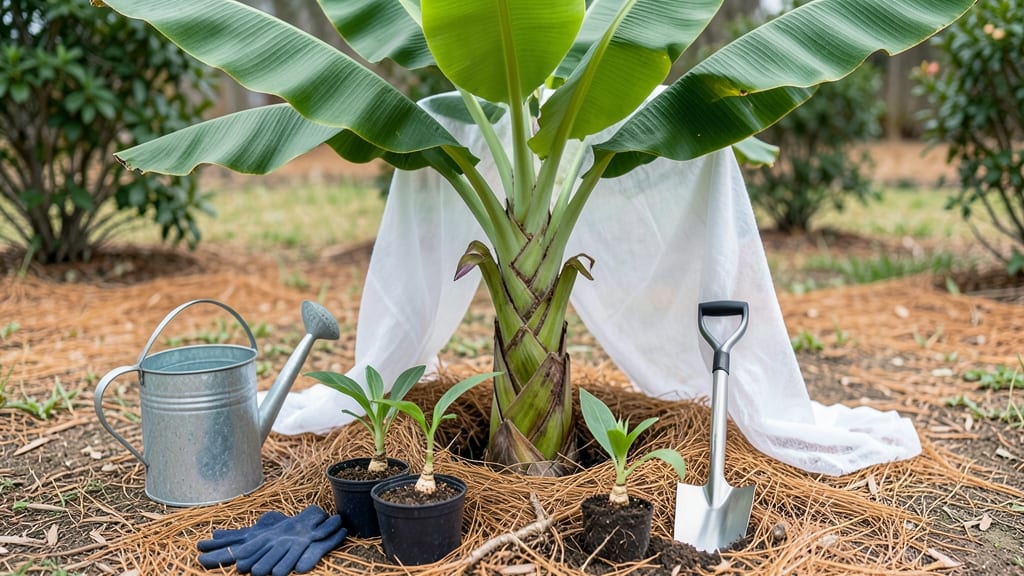
Planting a 🍌 banana tree in Florida seems straightforward—until you realize timing can make or break your harvest. Unlike other plants, these tropical giants thrive when planted at the right moment, avoiding both summer heat stress and rare cold snaps that could stunt growth.
Florida’s frost-free zones (9a-11) mean you can plant year-round, but the best months are spring (March-May) and fall (September-November). These windows give your banana tree’s roots time to establish before extreme heat or humidity kicks in—critical for fruit production.
Whether you’re planting in-ground or containers, microclimates matter. Coastal areas stay warmer longer, while inland zones may need extra protection. I’ll break down the exact steps to maximize growth, from soil prep to post-planting care, so your tree doesn’t just survive—it thrives.
Ready to grow your own bananas? Let’s dive into the ideal planting schedule, common mistakes to avoid, and how to keep your tree productive all year—no frost risk required.
Optimal planting months for banana trees in Florida’s microclimates
Florida’s diverse microclimates create perfect conditions for growing banana trees, but the best planting time varies by region. North Florida’s cooler winters demand earlier planting, while South Florida’s tropical warmth allows year-round growth. Understanding these differences ensures your banana tree establishes strong roots and produces abundant fruit.
In North Florida (USDA Zones 8b-9a), where rare frost can occur, aim to plant between March and May.
This window gives roots time to establish before summer heat arrives. Central Florida (Zones 9a-9b) gardeners have more flexibility, with ideal planting from February to June, avoiding only the hottest summer months.
South Florida (Zones 10a-11) offers the most flexibility—planting is possible year-round, but September to November is ideal. This timing aligns with natural rainfall patterns, reducing irrigation needs while preventing root stress from extreme summer heat.
Temperature fluctuations play a critical role in root establishment. Banana trees thrive in 75-85°F soil temperatures. Planting in spring or fall avoids the stress of extreme summer heat or winter chills, which can stunt growth or even kill young trees.
Here’s how Florida’s three regions differ in planting windows, temperature risks, and fruit production timelines:
For North Florida, prioritize early spring planting to avoid frost damage. Choose cold-hardy varieties like ‘Red Dacca’, which tolerates cooler temps better than tropical types. Mulch heavily in winter to insulate roots from temperature swings.
In Central Florida, fall planting (September–October) is ideal because it allows roots to establish before summer’s intense heat. This region benefits from partial shade during peak afternoon sun to prevent leaf scorch, which can reduce fruit quality.
South Florida’s tropical climate means year-round planting, but September–November aligns with natural rainfall, reducing irrigation needs. Use well-draining soil to prevent root rot, especially in low-lying areas prone to waterlogging during hurricane season.
Regardless of region, always plant banana trees in well-draining soil with partial sun exposure. Avoid planting during extreme heat waves (above 95°F) or prolonged rainy periods, as both can stress young plants and delay fruit production.
Pro tip: Test your soil’s pH (6.0–7.5) before planting. Banana trees thrive in slightly acidic to neutral soil. Amend with compost or peat moss if your soil is too alkaline, as this can lock out essential nutrients like potassium and magnesium, critical for fruit development.
With the right timing and care, your banana tree can produce fruit within 12–18 months, depending on the variety and growing conditions. Start with a healthy pups (offspring) or young plant from a reputable nursery to ensure a strong foundation for your tropical harvest. 🍌
How to avoid common mistakes when planting banana trees in Florida
Even in Florida’s frost-free climate, planting a banana tree at the wrong time can lead to root stress or poor fruit production. The biggest mistake? Ignoring microclimate differences across the state.
North Florida’s occasional cold snaps (even in Zone 9a) demand extra caution, while South Florida’s humidity requires vigilant drainage management.
Another critical error is skipping soil preparation. Banana trees thrive in well-draining, slightly acidic soil (pH 5.5-7.0). If your yard has heavy clay or sandy soil, amending it with compost or coconut coir is non-negotiable. Without proper prep, roots suffocate or dry out, stunting growth from day one.
🚨 callout warning 🚨
⚠️ Top 3 Planting Pitfalls in Florida
- Planting in summer: Extreme heat (90°F+) stresses young roots. Wait until September-November for ideal conditions.
- Ignoring drainage: Waterlogged soil causes root rot. Banana trees need 6+ inches of drainage—raise beds if needed.
- Skipping mulch: Florida’s intense sun evaporates moisture. Apply 3-4 inches of mulch to retain humidity and regulate soil temp.
Pro Tip: In North Florida, plant in containers for mobility during rare cold snaps (below 32°F).
🌱
Timing your plant isn’t just about months—it’s about temperature consistency. In Central Florida, aim for 70-85°F soil temps during planting. Use a soil thermometer to check; cooler temps slow root development. If you plant in spring (March-May), your tree will establish before summer’s peak heat.
For container planting, drainage holes are a must, but so is pot size. A 15-gallon container is the minimum for young trees—any smaller, and roots circle, leading to stunted growth. Use a lightweight potting mix with perlite or vermiculite to prevent compaction.
Post-planting, watering habits make or break success. Banana trees need deep, infrequent watering—not daily shallow drinks. In Florida’s humidity, water every 2-3 days for young trees, but monitor soil moisture; soggy soil invites pests like banana weevils. Mulch with straw or wood chips to lock in moisture.
Finally, resist the urge to fertilize immediately after planting. Wait 4-6 weeks to let roots establish, then use a balanced 6-6-6 fertilizer (or 8-3-9 for fruiting trees). Over-fertilizing burns roots, and Florida’s nutrient-rich soil often means less is more.
Start light, and adjust based on leaf color: yellow leaves = too much nitrogen; purple stems = phosphorus deficiency.