
Companion Plants
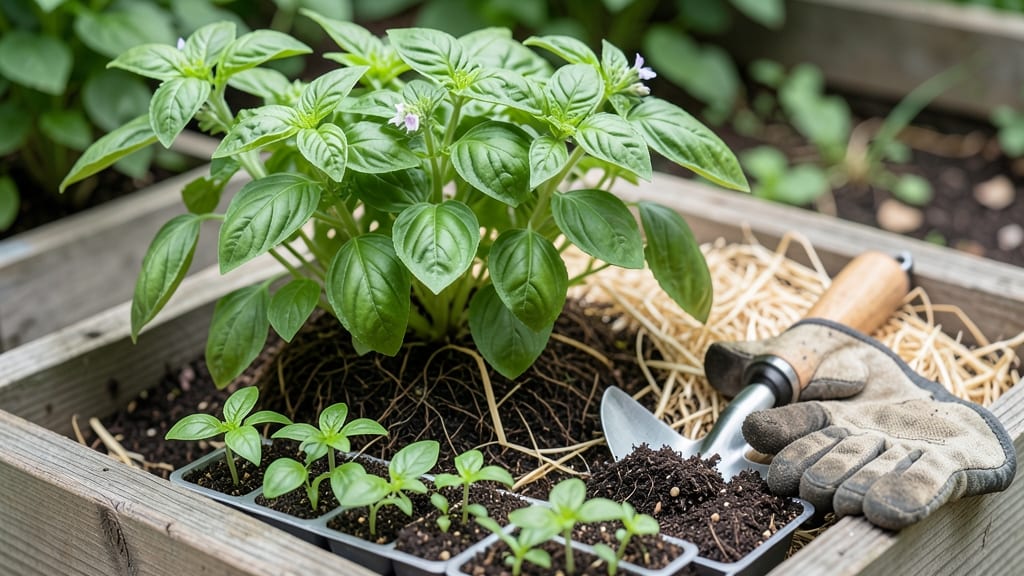
Planting basil in Pennsylvania at the wrong time can mean the difference between a fragrant, flavorful harvest and a sad, frost-bitten disappointment.
The exact window to get your 🌿 basil in the ground—after the last frost but before summer’s heat sets in—is the key to growing basil that tastes like it came from a gourmet garden.
Most gardeners in PA’s Zone 6a wait until late April or early May, but timing isn’t one-size-fits-all. Urban heat islands in cities like Philadelphia can warm up faster than rural areas near Pittsburgh, so knowing your microclimate makes all the difference.
Whether you’re starting seeds indoors or sowing directly outside, getting this right ensures your basil thrives all summer long.
I’ll walk you through the best weeks to plant, how to adjust for your specific corner of PA, and even how to extend your harvest into fall. No more guessing—just a foolproof plan to grow basil that’s bursting with flavor from June through September.
Ready to turn your garden into a basil powerhouse? Let’s dive into the secrets that will keep your plants lush, productive, and full of that signature sweet aroma—no matter where you are in the Keystone State.
Best weeks before last frost to plant basil in Pennsylvania (with hardiness zones 5-7)
Pennsylvania’s last frost dates vary dramatically across USDA Zones 5-7, so timing your basil planting is critical. In Philadelphia (Zone 7a), the average last frost is April 15, while Pittsburgh (Zone 6b) sees frost until May 1.
Allentown (Zone 6a) falls in between. Planting too early risks frost damage, while waiting too long shortens your harvest window.
For direct sowing, aim to plant basil seeds 2-3 weeks after your region’s last frost date. This gives seedlings time to establish before summer heat arrives. In containers, you can start seeds indoors 6-8 weeks before the last frost, then transplant outdoors after temperatures stabilize above 50°F.
Microclimates play a huge role in PA. Urban areas like Philadelphia warm faster than rural zones, while mountainous regions near Pittsburgh stay cooler longer. Adjust your planting window by 1-2 weeks if your garden sits in a frost pocket or near a heat-retaining wall.
Basil thrives in warm soil (minimum 50°F) and full sun (6+ hours daily). In Zone 5, start seeds indoors by March 15 for transplanting after last frost. Zones 6-7 can direct sow April 20-May 5, depending on location.
| Region | Avg. Last Frost | Direct Sow Window | Indoor Start (Transplant) | Soil Temp Goal |
|---|---|---|---|---|
| Philadelphia (Zone 7a) | April 15 | April 25-May 10 | March 15-April 1 | 50°F+ |
| Pittsburgh (Zone 6b) | May 1 | May 10-25 | March 1-April 15 | 50°F+ |
| Allentown (Zone 6a) | April 25 | May 5-20 | March 10-April 10 | 50°F+ |
| Mountain Areas (Zone 5) | May 10 | May 25-June 5 | February 28-March 15 | 50°F+ |
Container gardening offers flexibility—you can plant basil in pots as early as 2 weeks before your region’s last frost if nights stay above 45°F. Use black plastic mulch to warm soil faster in cooler zones.
For in-ground planting, amend soil with compost and avoid heavy clay, which retains too much moisture.
Pro tip: Monitor soil temperature with a thermometer—basil won’t germinate below 50°F. If your garden runs cold, opt for heat-loving varieties like Genovese or Sweet Basil, which tolerate PA’s short growing season better than delicate types.
After transplanting, protect young plants with row covers if nighttime temps dip below 55°F. This buys you 1-2 extra weeks of growth before summer’s full heat arrives. Harden off seedlings gradually to prevent shock when moving them outdoors.
For a continuous harvest, stagger plantings every 2 weeks through early June. This ensures fresh basil leaves from summer through early fall, even if late frosts arrive in October. Always harvest leaves in the morning for peak flavor and aroma.
Remember: Basil hates cold, so never plant before your region’s last frost date—even if seedlings look healthy. A single 28°F night will kill your plants instantly. Use local frost date tools like the National Weather Service or Old Farmer’s Almanac to fine-tune your schedule.
How to extend basil’s growing season in Pennsylvania’s short summers
Pennsylvania’s short growing season and unpredictable autumn frosts can cut your basil harvest short—but don’t let that happen. With the right techniques, you can keep your 🌿 basil thriving well into September or even October.
The key is protecting your plants from late frosts and early chills while maximizing sunlight and warmth. Whether you’re using containers or garden beds, these methods will help you squeeze every last flavorful leaf out of your basil season.
In my Zone 6a garden, I’ve found that combining row covers with succession planting gives me basil until the first hard frost in mid-October. The secret?
Start your second planting in early July to replace any early harvests, and use protective covers to shield tender leaves from 32°F temperatures or lower. Let’s break down the most effective methods, ranked by how well they work in PA’s climate.
Cold frames are my top recommendation because they create a microclimate that traps heat and protects basil from unpredictable late frosts. I use a simple DIY cold frame made from a wooden box covered with clear plastic. Place it over your basil plants by early September, and you’ll extend the season by 3-4 weeks. Just ensure good airflow to prevent fungal issues, and remove the cover during the day to avoid overheating.
For gardeners who prefer low-maintenance solutions, floating row covers are a game-changer. These lightweight fabrics allow sunlight and water to pass through while shielding plants from 30°F temperatures. I’ve seen basil survive under row covers until the first hard frost in October.
Pair this with succession planting—sow new seeds every 2-3 weeks from late June to early August—to ensure a continuous harvest. This method works especially well for Genovese basil, which is slow to bolt in cooler weather.
Don’t underestimate the power of companion planting to protect your basil. Planting bush beans or marigolds nearby can deter pests like aphids and spider mites, which thrive in PA’s humid summers. Additionally, taller companions like tomatoes or peppers provide shade during the hottest afternoons, reducing stress on your basil.
I always interplant basil with oregano—it repels pests naturally and complements basil’s flavor profile.
If you’re growing basil in containers, move them indoors before the first frost. Place pots near a south-facing window or under grow lights to keep them thriving. I’ve kept potted basil going until December with this method, though the flavor may mellow slightly.
For the best results, use 5-gallon containers to ensure stability and root growth. Add a layer of mulch to retain moisture and insulate roots from temperature swings.
Finally, never skip regular pruning and harvesting. Pinch back the tips of your basil plants to encourage bushier growth, and harvest leaves frequently to prevent flowering. When temperatures drop below 50°F at night, bring potted basil indoors overnight and return it to sunlight the next day.
With these techniques, you’ll enjoy fresh basil pesto and homemade tomato sauce well into autumn—no matter where you are in Pennsylvania.