
Plants
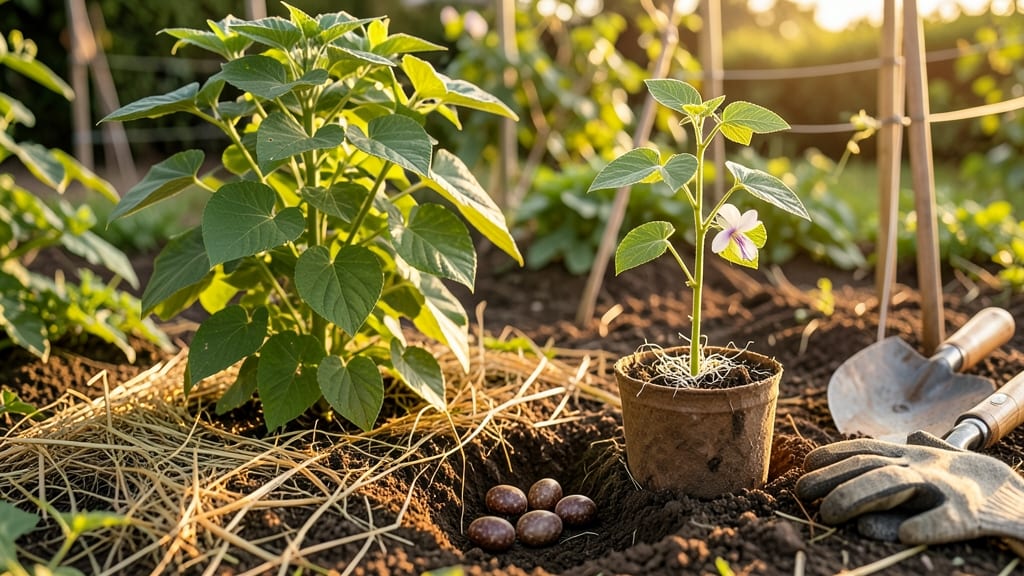
Planting beans at the wrong time in Zone 8 can mean the difference between a thriving 🌱 harvest and struggling seedlings that never take off. Unlike cool-season crops, beans demand warm soil—at least 60°F—to germinate properly, and getting this timing right is the key to success.
If you've ever watched your bean seeds sit in cold soil for weeks without sprouting, you know how frustrating it can be. The solution? Planting when the soil warms up naturally, which in Zone 8 typically means waiting until mid-April for early spring or late August for a fall harvest.
But here's the catch: coastal areas may warm up faster than inland spots, so knowing your microclimate makes all the difference.
What I'm about to share will help you avoid those common mistakes and get your beans growing fast. We'll cover exactly when to plant based on soil temperature, how to test it without fancy tools, and which varieties thrive in Zone 8's heat.
Let's make sure your next bean harvest is your best one yet.
Whether you're growing bush beans for quick pickings or pole beans for a steady supply, timing is everything. I'll walk you through the two perfect windows in Zone 8, plus pro tips for succession planting so you can enjoy fresh beans all season long. Ready to transform your garden?
Ideal planting times for beans in Zone 8 based on soil temperature
In Zone 8, where winters are mild but summers can be scorching, timing your bean planting around soil temperature is critical for success. Beans need soil to reach at least 50°F to germinate, but they thrive best when temperatures hit 60-70°F.
Planting too early risks cold soil and poor germination, while waiting too long can lead to bolt-yielding beans before harvest.
Zone 8 gardeners have two prime windows: early spring (March-April) and late summer (August-September). The key is aligning planting with both soil warmth and frost-free dates. Coastal areas may have a longer spring window, while inland regions should prioritize late summer plantings to avoid summer heat stress.
| Planting Window | Soil Temp Requirement | Best Varieties | Key Considerations |
|---|---|---|---|
| Early Spring (March-April) | 55-65°F | Bush: 'Blue Lake', 'Kentucky Wonder' Pole: 'Rattlesnake', 'Scarlet Runner' |
Plant after last frost (avg. March 15), use black plastic mulch to warm soil faster |
| Late Summer (August-September) | 60-75°F | Heat-tolerant: 'Black Valentine', 'Romano', 'Purple Hull' | Avoid planting before August 1 to prevent summer heat stress; succession plant every 2 weeks |
| Coastal Zone 8 | 50-60°F | 'Contender' (bush), 'Blue Lake' (pole) | Soil warms earlier; can plant 2-3 weeks earlier than inland areas |
| Inland Zone 8 | 60-70°F | 'Tendergreen', ' Provider' (bush) | Wait for consistent 60°F+ soil temps; prioritize late summer plantings |
For spring planting, focus on bush beans like Blue Lake or Kentucky Wonder, which mature quickly (50-60 days). These varieties handle cooler soil better and produce before summer heat arrives. Plant seeds 1 inch deep and 3-4 inches apart in rows spaced 18-24 inches apart for bush types.
Pole beans, like Scarlet Runner or Rattlesnake, thrive in late summer plantings when temperatures are stable. These varieties need trellises or poles and benefit from heat-tolerant characteristics. Plant seeds 1 inch deep at the base of your trellis, spacing them 4-6 inches apart in rows 12-18 inches apart.
Zone 8 gardeners can extend their harvest by practicing succession planting. After your first planting, wait 2-3 weeks and sow another batch. This works especially well for late summer plantings, where you can stagger seeds every 10-14 days until early September.
Always monitor soil moisture during dry spells, as beans need consistent watering to prevent blossom drop.
One common mistake is planting beans too early in spring, hoping for faster germination. Cold soil (below 50°F) causes seeds to rot or sprout unevenly. Use a soil thermometer to confirm temperatures before planting—this simple tool can save your entire crop.
If soil temps are too cold, opt for black plastic mulch or wait 1-2 weeks.
Heat-sensitive varieties like Romano beans perform poorly when daytime temps exceed 85°F. For these, focus on late summer plantings when nights are cooler. Heat-tolerant varieties like Black Valentine can handle up to 95°F but still need adequate water to prevent pod shriveling.
Always provide afternoon shade during extreme heat waves.
Remember that Zone 8's frost-free season spans about 240 days, giving you plenty of time for two full harvests. Start your first planting as soon as soil reaches 55°F (typically late March), and your last planting by mid-August to ensure mature pods before fall.
With the right timing, you'll enjoy fresh beans from June through October!
How to test soil warmth for perfect bean germination timing
Testing soil warmth before planting beans is one of the most important steps for Zone 8 gardeners. Unlike cool-season crops, beans need soil temperatures of at least 60°F to germinate properly.
If you plant too early, your seeds may rot in cold soil, while waiting too long could mean missing the ideal growing window. The good news? You don't need expensive equipment to check—there are simple, effective methods to test soil warmth at home.
For most of Zone 8, the soil warms up to the ideal range between mid-April and early May for spring planting. However, coastal areas may reach this temperature earlier, sometimes as early as late March.
If you're unsure about your specific microclimate, testing is the only way to know for sure. I've found that even a 5°F difference can mean the difference between fast germination and weeks of waiting.
Here's how to test your soil warmth accurately, whether you have a soil thermometer or need a DIY solution:
- 1 Use a soil thermometer for precise readings. Insert the probe 2-3 inches deep (the depth where beans will germinate) and check the temperature on a cool morning (before 10 AM). Repeat for 3-4 days to confirm consistency.
- 2 Try the candling trick if you lack a thermometer. Place a candle near the soil for 10 minutes—if the wax melts easily, your soil is likely warm enough. For a more precise DIY method, bury a thermometer in a jar of water near your planting area for 24 hours.
- 3 Check for visual clues. Warm soil often has darker, moist spots where water pools. If you see earthworms or ants active, your soil is likely warm enough. In Zone 8, these signs typically appear by late April in inland areas and early April near coasts.
- 4 Plant test seeds in a small pot. If they sprout within 7-10 days, your soil is ready. This is my favorite method because it gives you a real-world test without guesswork. Use a few seeds per pot to confirm germination rates.
- 5 Adjust for microclimates. South-facing beds warm up faster than north-facing ones. If your garden has shaded areas, test those separately—beans planted in cooler spots may take 2-3 weeks longer to germinate, even if other areas are ready.
Once you've confirmed your soil is warm enough, plant your beans 1 inch deep and 2-3 inches apart for bush varieties or 4-6 inches apart for pole beans.
In Zone 8, I've found that planting in late April gives beans enough time to mature before summer heat sets in, while a late August planting ensures a fall harvest before the first frost.
Remember, beans are sensitive to cold soil, but they also don't tolerate extreme heat once established. If your soil tests above 85°F, wait until evening to plant and provide light shade during the hottest part of the day.
With these soil warmth tests, you'll avoid the most common mistakes and set your beans up for a successful, bountiful harvest.
Pro tip: Keep a garden journal to track soil temperatures year after year. Over time, you'll notice patterns in your microclimate that help you predict the perfect planting window without testing every season. Happy gardening! 🌱