
Plants
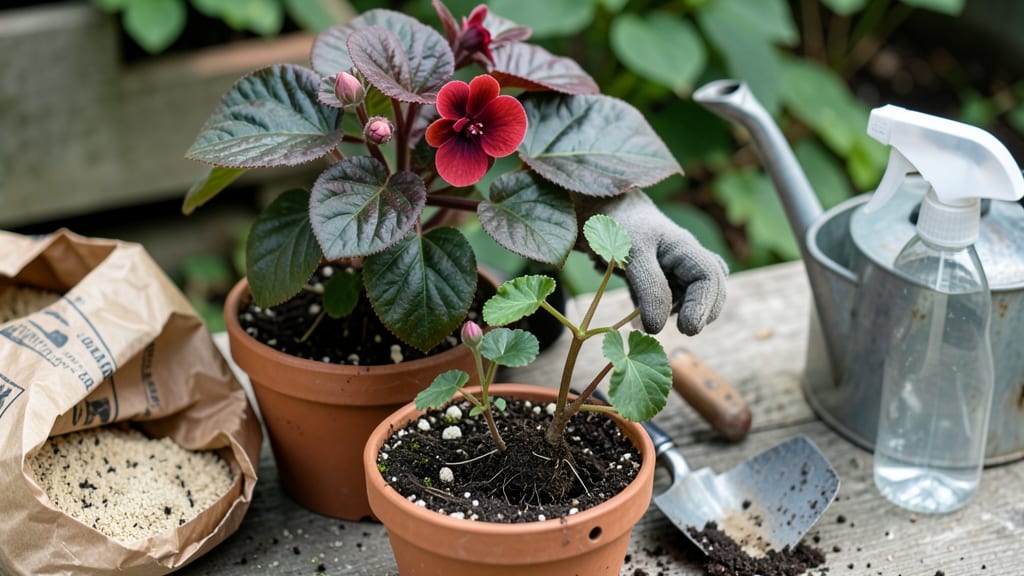
Planting begonias 🌸 in pots at the wrong time can turn your patio into a sad, wilted mess—especially if frost sneaks in unexpectedly. The key to vibrant blooms all season? Timing your transplant just right, whether you're in chilly USDA Zone 6a or a balmy southern climate.
I’ve learned the hard way that begonia roots hate cold—even a light frost can spell disaster for potted plants. But here’s the good news: with zone-specific planting windows and a few smart tricks, you can extend their season and keep those colorful blooms thriving from spring until fall.
In this guide, I’ll break down exactly when to plant begonias in pots based on your climate, plus pro tips for container selection and care. Whether you’re a first-time gardener or a seasoned pro, these insights will help you avoid common mistakes and enjoy longer-lasting begonias.
Ready to transform your balcony into a blooming paradise? Let’s dive into the perfect planting schedule for your zone—and keep those begonias happy all season long.
USDA Zone-specific begonia planting timeline for pots
Begonias in pots thrive when planted at the right time, but their delicate nature makes timing critical. Frost sensitivity and heat tolerance vary dramatically across USDA zones, so knowing your zone's last-frost date is essential.
In warmer zones (8-11), you can plant as early as February, while cooler zones (3-6) must wait until late spring or early summer to avoid frost damage.
Your begonia's success starts with understanding your local climate thresholds. For example, Zone 3-5 gardeners face a 10-12 week shorter growing season compared to Zone 10-11, meaning earlier starts and later finishes. Meanwhile, Zone 6-7 gardeners must balance late frosts with summer heat stress for potted plants.
| USDA Zone | Last Frost Date | Ideal Planting Window | Heat Tolerance Threshold | Transplant Notes |
|---|---|---|---|---|
| Zones 3-4 | Mid-May | Late May - Early June | Up to 80°F (27°C) | Use frost cloths for early starts |
| Zones 5-6 | Early May | Early May - Mid-May | Up to 85°F (29°C) | Hardy begonias only; avoid late frosts |
| Zones 7-8 | Mid-April | March - April | Up to 90°F (32°C) | Start indoors in Zone 7 for earlier blooms |
| Zones 9-10 | None (winter mild) | January - February | Up to 95°F (35°C) | Can plant year-round with shade |
| Zone 11 | None (tropical) | Year-round (avoid winter rain) | Up to 100°F (38°C) | Use shade cloth in summer |
In Zones 3-4, where frost lingers until mid-May, I recommend starting begonias indoors in early April using grow lights.
By the time outdoor temperatures stabilize, your seedlings will be 4-6 inches tall and ready to transplant. Tuberous begonias in these zones need extra protection—consider using heat-retaining pots wrapped in bubble wrap for cooler evenings.
For Zones 5-6, aim to plant after your last frost date, which typically falls in early May. If you're eager to start earlier, use a mini greenhouse or cold frame to protect young plants. Fibrous-rooted begonias handle cooler temps better than tuberous varieties, making them ideal for these zones.
Always monitor nighttime temperatures—below 50°F (10°C) can stunt growth.
Gardeners in Zones 7-8 have the most flexibility, with planting windows stretching from March to April.
Here, I recommend a two-phase approach: start tender varieties indoors in February, then transplant outdoors after mid-April. Rex begonias thrive in this climate, but watch for humidity stress—these plants prefer 60-70% humidity and may need daily misting in dry spells.
Warmer climates in Zones 9-11 allow for year-round planting, but timing still matters. In Zone 9, plant in January-February to avoid summer's peak heat, while Zone 10-11 gardeners can plant year-round with proper shade. Angular-leaved begonias excel here, but always use lightweight containers to prevent root overheating in direct sun.
No matter your zone, container size and drainage are non-negotiable. Use pots with drainage holes and 3-5 gallons of soil volume per plant. Terracotta pots help regulate moisture, while self-watering containers reduce stress in hot zones.
Always plant begonias at the same depth they grew in their nursery pots to prevent stem rot.
After transplanting, focus on consistent moisture and light shade for the first week. Begonias in pots dry out faster than in-ground plants, so I recommend mulching with orchid bark to retain moisture. Fertilize lightly with a balanced 10-10-10 mix every 4-6 weeks to encourage blooms without burning delicate roots.
For extended blooming seasons, consider staggered planting: start a second batch 3-4 weeks after your first planting. This ensures continuous color from late spring to early fall, even in cooler zones. In Zones 3-6, overwinter tuberous begonias indoors under grow lights for a head start next season.
🌸
How to extend begonia blooming season in pots
Extending your begonias' blooming season in pots is all about strategic timing and smart protection. In cooler zones like USDA 4-7, a single late frost can wipe out weeks of growth—so I’ve learned to plant early and shield them from cold snaps.
Meanwhile, gardeners in zones 8-11 can push their season later by choosing heat-tolerant varieties and adjusting watering routines. The key is matching your begonias' needs to your local climate quirks.
My secret weapon? A combination of frost cloths, cold-hardy varieties, and flexible planting windows. For example, in Zone 5, I start tuberous begonias indoors in March, then transplant them into pots after the last frost date—usually mid-May.
This gives them a head start on growth before summer heat arrives. In warmer zones, I delay planting until June to avoid early-season wilting from intense sun.
Here’s how I extend the blooming season for my potted begonias, broken down by zone and technique:
🌱 5 Pro Tips to Extend Begonia Blooms
- 1. Plant tuberous varieties early (March-April indoors) in zones 4-7—they need 10-12 weeks to establish roots before outdoor planting. Use grow lights if natural light is weak.
- 2. Use frost cloths for zones 4-6: Drape lightweight frost fabric over pots when night temps drop below 50°F. Secure with clips to avoid wind damage.
- 3. Choose cold-hardy types like Begonia grandis or B. semperflorens—they tolerate 32°F brief dips better than tropical varieties.
- 4. Delay planting in warm zones (8-11): Wait until June 1st to avoid early heat stress. Use self-watering pots to prevent drought.
- 5. Prune strategically: After first frost in fall, trim back 1/3 of growth to encourage compact regrowth. Move pots to bright indoor light for winter blooms.
For gardeners in zones 8-11, the challenge shifts to heat management. I’ve found that planting begonias in partial shade (under 50% sun) and using light-colored pots reflects excess heat.
In my Zone 9 garden, I also switch to drip irrigation during summer to keep roots cool—overwatering from hand-watering can stress plants in high heat.
Don’t forget about container size—small pots dry out faster and stress plants. I use 10-12 inch containers for tuberous begonias and 8-inch pots for fibrous-rooted types. Larger pots retain moisture better and give roots room to establish before blooming season peaks.
Add a layer of perlite to potting mix to improve drainage and prevent root rot.
Even with perfect timing, begonia blooms will fade as days shorten in fall. To squeeze out extra weeks of color, I move pots to a sunroom or covered porch where they get 4-6 hours of morning sun.
A little balanced fertilizer (10-10-10) in early fall can also stimulate new growth—just stop feeding by October 1st to prepare plants for dormancy.
With these techniques, my potted begonias now bloom from late May until Thanksgiving—nearly double the usual season! The key is observing your local microclimate and adjusting your approach. Try one of these tips this year, and I bet you’ll see a noticeable difference in your begonias' longevity and vibrancy.