Plants
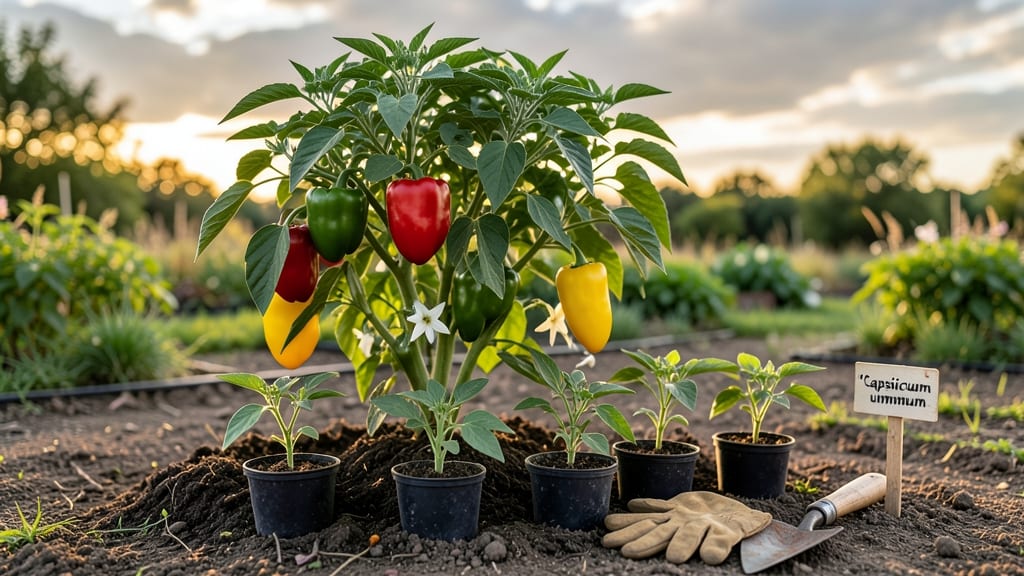
Planting bell peppers 🌶️ in North Carolina isn’t just about checking a calendar—it’s about catching that sweet spot between frost and scorching heat where your plants actually thrive.
Get the timing wrong, and you’ll either watch them wilt in a late frost or struggle through a sweltering summer before producing anything edible.
Most gardeners in USDA zones 7a-8b know the general rule: wait until after the last frost, typically around April 15, but that’s just the starting line. What you really need is a county-specific heat zone deadline that accounts for North Carolina’s dramatic shifts from Piedmont chill to Coastal humidity.
In this guide, I’ll break down exactly when to plant—whether you’re starting seeds indoors for an early jump or sowing directly into warmed soil.
You’ll learn how to read your local microclimate, spot the perfect soil temperature (hint: it’s not what most guides say), and even extend your growing season with simple tricks.
Skip the guesswork and grow plump, flavorful peppers all the way through October. Let’s get your planting schedule locked in for a harvest that’ll make your neighbors jealous.
North Carolina heat zone deadlines: when to plant bell peppers by county
North Carolina’s diverse climate—from the humid Coastal Plain to the cooler Mountain regions—means bell pepper planting deadlines vary dramatically by county. Unlike tomatoes or lettuce, bell peppers demand consistent warmth (soil temps above 60°F) and hate frost, so timing is everything.
Get it wrong, and you’ll end up with stunted plants or worse, a crop lost to late-season frost.
To simplify, I’ve broken down planting windows by NC’s three main regions—Coastal, Piedmont, and Mountain—plus key county examples. Use these as your guide, but always double-check with your local Cooperative Extension Service for microclimate quirks (like frost pockets in valleys).
🌶️ Pro Tip: Start seeds indoors 6-8 weeks before your county’s last frost date for a head start. Transplant outdoors only after nighttime temps stay above 55°F consistently.
In the Coastal Plain, counties like Brunswick and Carteret enjoy the longest growing seasons, with last frosts as early as March 15. This means you can direct-sow seeds in March or transplant seedlings by April 15—but watch for hurricane delays in June, which can disrupt pollination.
For Piedmont counties like Wake or Forsyth, timing is tighter. Last frosts typically hit April 1–10, so wait until April 15 to transplant hardy varieties like ‘Carolina Wonder’. If you’re direct-sowing, hold off until May 1 to avoid soil-borne diseases from cool, wet springs.
Mountain counties such as Ashe or Haywood are the riskiest—last frosts linger into May 1, and first frosts can arrive as early as October 15. Here, you must transplant after May 15 and choose early-maturing varieties (like ‘Jupiter’) to harvest before frost.
Consider using black plastic mulch to warm the soil faster.
🌱 Microclimate Alert: Even within counties, elevations vary. For example, Asheville (USDA 7a) can have 10°F temperature swings just 10 miles away. Check local weather stations or ask neighbors with established gardens for their frost history.
If you’re in a transition zone (like Chatham County between Coastal and Piedmont), err on the side of caution. Start seeds indoors in February and have backup seedlings ready in case of late frost. Use row covers for the first 2 weeks after transplanting to protect young plants.
For container gardening in urban areas (e.g., Charlotte or Raleigh), you can plant 1–2 weeks later than ground planting since containers warm up faster. Just ensure pots have drainage holes and use a lightweight potting mix to prevent waterlogging.
💧 Soil Prep Tip: Test your soil’s pH (bell peppers prefer 6.0–6.8) and amend with compost or aged manure 2–3 weeks before planting. Warm soil speeds up germination and reduces damping-off disease.
Signs your soil and climate are ready for bell pepper planting
Your bell pepper seeds won’t sprout until the soil hits 60°F or warmer, and waiting for this temperature is critical in North Carolina’s unpredictable spring. I’ve learned the hard way that cool soil leads to stunted growth or worse—seed rot.
Use a soil thermometer to check 2-3 inches deep, especially in Piedmont regions where mornings can still dip below 55°F even after the last frost.
Beyond temperature, your soil must also be moist but not soggy. Bell peppers hate waterlogged roots, so if your garden feels spongy after rain, wait 2-3 days before planting.
Test by squeezing a handful—it should hold shape but not drip. Coastal areas like Wilmington often have higher humidity, so well-draining soil is non-negotiable there.
🌱
⚠️ Warning: NC’s Frost Traps Can Ruin Your Crop
Even after the last frost date, low-lying areas and valleys in NC (like the Blue Ridge Mountains) can experience late frosts into May. Check your county’s microclimate—if your garden sits in a frost pocket, delay planting by 2-3 weeks or use row covers for protection.
🌡️ Pro Tip: Plant near warm structures (south-facing fences, brick walls) to create a 2-3°F warmer microclimate.
Watch the weather forecast for consistent 70°F+ days before planting—bell peppers need warmth to germinate and thrive. In the Mountains (e.g., Asheville), this might not happen until mid-May, while Coastal areas (e.g., Morehead City) can start as early as mid-April.
If nighttime temps drop below 50°F regularly, your peppers will struggle to set fruit.
To extend your growing season in cooler NC regions, try these tricks: Black plastic mulch raises soil temps by 5-10°F, and cold frames can push your harvest window into early November. I’ve had success with ‘Jupiter’ peppers in Zone 7a—they tolerate cooler temps better than most varieties.
Finally, avoid planting when heavy rains are forecasted within 48 hours. Bell peppers are sensitive to waterlogged soil, which can cause blossom-end rot. If you must plant during rain, use raised beds with gravel drainage layers to keep roots happy.
Once your soil hits 60°F+, stays moist, and the forecast shows stable warmth, your bell peppers are ready to go in the ground. With these signs checked off, you’re set for a harvest that’ll last from July through October—just in time for fresh salsas and grilling!