
Plants
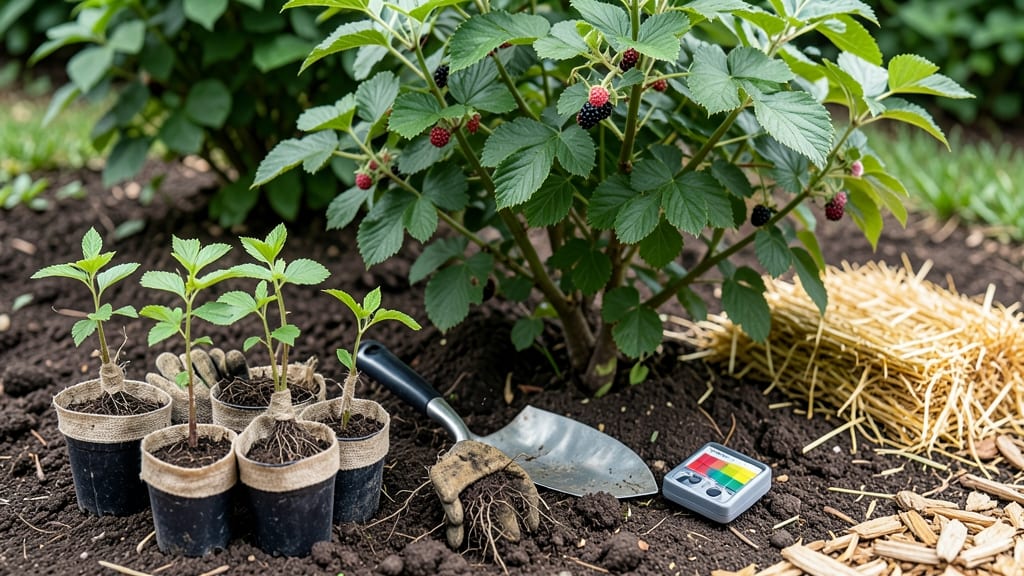
Planting blackberries at the wrong time in Virginia can mean the difference between a bountiful harvest and struggling canes—so timing isn't just important, it's critical for your 🫐 bushes to thrive.
With Virginia's 6a-7b zones, you've got two prime windows: late winter to early spring or fall, but getting it wrong could leave your plants vulnerable to frost or heat stress.
I've seen gardeners rush planting in early spring only to watch their canes wilt when unexpected frosts hit. The key is matching your variety to Virginia's chill-hour requirements—some need 500+ hours of cold, while others prefer milder winters.
Let me show you exactly when to plant for success, whether you're working with bare-root canes or potted plants.
You'll discover why September-October is actually the best time for fall planting in most of Virginia, how to prepare your soil for maximum root growth, and what to watch for when transplanting. We'll also cover the 3 most common mistakes Virginia gardeners make—and how to avoid them completely.
By the end, you'll have a clear timeline tailored to your microclimate, plus pro tips for soil prep, mulching, and protecting young canes. Let's get those blackberries growing strong so you can enjoy that summer harvest you've been dreaming of!
Virginia’s chill-hour zones: matching blackberry varieties to planting windows
Virginia’s climate varies dramatically from the mountainous west (USDA Zone 6a) to the coastal plains (Zone 8a), creating chill-hour differences that directly impact blackberry success. Chill hours—the cumulative hours below 45°F—determine which varieties thrive in your area.
For example, 'Chester' thrives in 500–700 chill hours, while 'Prime-Ark Freedom' handles 1,000+ hours. Choosing the wrong variety can mean poor fruit set or even plant death.
Blackberries need dormancy periods to produce fruit, and Virginia’s zones range from 500 chill hours in the south to 1,000+ hours in the mountains. Fall planting (September–October) works best in warmer zones (7a–8a), while late winter/early spring (February–March) suits cooler zones (6a–6b).
Misjudging this can delay harvests by months—or worse, kill your canes.
Why chill hours matter: Blackberries require cold exposure to break dormancy and set buds. In Zone 6a (e.g., Roanoke), 'Natchez' excels with 600–800 chill hours, while Zone 8a (e.g., Norfolk) needs 'Arapaho' or 'Ouachita' (300–500 hours). Use Virginia Cooperative Extension’s chill-hour calculator to verify your local totals before selecting varieties.
If you’re in Zone 6a, prioritize 'Prime-Ark Freedom'—it handles 1,000+ chill hours and produces large, sweet berries even in harsh winters. For Zone 7b, 'Natchez' is a top pick: it balances 700–900 chill hours with high yields and disease resistance.
Meanwhile, Zone 8a gardeners should stick to 'Arapaho', which thrives with 500–700 hours and minimal winter damage.
Timing your planting window is just as critical as variety selection. In cooler zones (6a–6b), plant bare-root canes in late February or March to avoid early spring thaws that can stress roots.
In warmer zones (7b–8a), fall planting (September–October) lets canes establish roots before winter. Pro tip: Soak bare-root canes for 2–4 hours before planting to revive dormant roots.
One common mistake? Assuming all blackberries are cold-hardy. 'Triple Crown', for example, needs only 300–500 chill hours—perfect for Zone 8a but a disaster in Zone 6a.
Always cross-reference your local chill-hour data with variety tags. For instance, 'Chester' (700+ hours) might fail to fruit in Zone 8a because it lacks sufficient dormancy triggers.
For fall planting, aim to finish by mid-October in Zone 7b or earlier in Zone 6b. Canes need 4–6 weeks to root before first frost. In spring, wait until soil temps hit 50°F (10°C)—usually mid-March in Piedmont but late April near coastal areas.
Use a soil thermometer to avoid planting too early.
Protect young canes from late spring frosts (common in April) by covering them with frost cloth or row covers. In Zone 6a, add 3–4 inches of mulch in late fall to insulate roots.
For Zone 8a, focus on shade cloth during summer heat waves to prevent sunscald on canes.
Need a quick reference? Bookmark the Virginia Tech Blackberry Guide
Step-by-step planting timeline for Virginia’s climate: when to order, prepare, and transplant
Timing is everything when planting blackberries in Virginia, where USDA zones 6a-7b create a delicate balance between frost risks and warm soil needs. I’ve seen gardeners miss the window by just a few weeks—resulting in stunted growth or even plant death.
The best time to plant depends on whether you’re working with bare-root canes or potted plants, but both follow a similar seasonal rhythm.
For fall planting (my preferred method in Virginia), aim for September to October when soil temps are still warm but frosts aren’t imminent. This gives roots time to establish before winter dormancy.
Spring planting (February-March) works too, but requires careful soil warming and frost protection. Let’s break down the exact steps to maximize your success.
📅 Step-by-Step Blackberry Planting Timeline for Virginia
- 1 Order Bare-Root Canes: Place orders in October-November for fall delivery. Look for dormant canes with multiple buds—these establish faster than spring-planted ones.
- 2 Soil Prep (Feb-Mar): Test soil pH (5.5-6.5) and amend with compost. Till to 12 inches deep—blackberries hate compacted soil. Install trellis supports now to avoid disturbing roots later.
- 3 Fall Planting (Sept-Oct): Plant when soil temps are 50°F+ but night temps stay above 40°F. Space canes 4-6 feet apart on trellises for airflow. Water deeply immediately after planting.
- 4 Spring Planting (Feb-Mar): Wait until last frost date has passed (typically mid-March in Virginia). Soak canes in water for 2 hours before planting to reduce transplant shock.
- 5 Mulching: Apply 3-4 inches of mulch (straw or wood chips) around (not touching) canes. Replenish annually to retain moisture and suppress weeds.
- 6 Watering Schedule: Deep water 2x weekly for first year. Reduce to weekly once established. Avoid wetting foliage to prevent fungal diseases like botrytis.
Planting too early risks frost damage to tender new growth, while planting too late means roots won’t establish before winter. In Virginia’s Zone 7a, I’ve had the most success with September 15-October 15 fall plantings—the sweet spot before soil cools below 50°F.
For Zone 6a areas (like the Shenandoah Valley), push planting to late September to avoid early frosts.
Pro tip: If you’re in a high-chill zone (800+ hours), prioritize varieties like 'Chester' or 'Natchez'—they handle Virginia’s winters better. For milder microclimates (like coastal areas), 'Prime-Ark Freedom' thrives with fewer chill hours. Always check your local last frost date and adjust your timeline accordingly.
Remember, blackberries are hungry plants—they’ll reward you with juicy berries for years if you give them the right start. Follow this timeline, and you’ll be harvesting summer fruit in just 120-150 days after planting! 🫐