
Plants
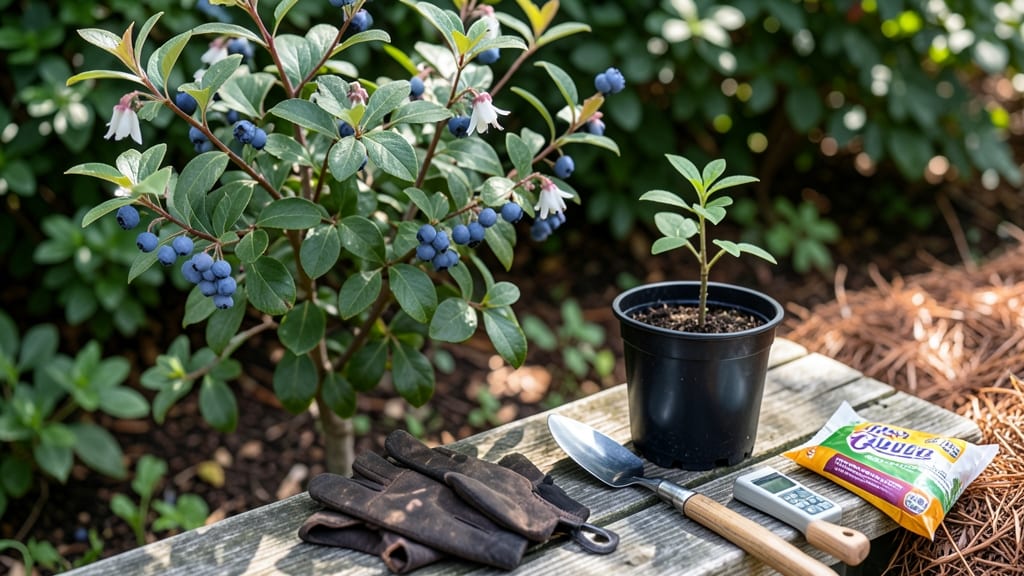
Planting blueberry bushes in Georgia at the wrong time can mean the difference between a thriving 🫐 harvest and struggling plants fighting off Southern heat. With USDA zones 7b-8b and a long growing season, timing is everything—especially when balancing early spring warmth with the delicate roots of your new bushes.
Most gardeners in Georgia aim to plant between late February and early March, right after the last frost but before the soil gets too hot. This window gives your blueberry bushes the best chance to establish strong roots before summer’s intensity kicks in.
But here’s the thing: Georgia’s climate varies dramatically from North to South, and even microclimates can shift your ideal planting date by weeks.
Whether you’re dealing with cooler mountain air or sweltering coastal humidity, getting the timing right is the key to avoiding common pitfalls like drought stress or fungal diseases.
In this guide, I’ll walk you through the exact steps to plant your blueberry bushes—whether you’re going bare-root or in containers—and how to adjust for Georgia’s unique growing conditions. Let’s get those bushes in the ground the right way.
Best planting months for blueberry bushes in Georgia’s climate zones
Georgia’s USDA zones 7b-9 offer perfect conditions for growing blueberry bushes—but timing your planting is critical. The ideal window balances cool soil temperatures and the plant’s dormancy period, ensuring strong root establishment before summer heat arrives.
In most of Georgia, late winter to early spring (February-March) is your best bet, but fall planting can work in cooler microclimates.
For North Georgia (zones 7-8), where winters are slightly cooler, aim for February through early March when soil temperatures reach 50-60°F. This gives roots time to establish before summer’s intense heat.
Meanwhile, South Georgia (zone 9) gardeners can push planting into March or even early April due to later frost dates and warmer soils.
🌱
| Zone | Best Planting Window | Soil Temp Threshold | Microclimate Notes |
|---|---|---|---|
| 7b (North GA) | Feb 15 - Mar 15 | 50-55°F | Cooler nights; protect from late frosts |
| 8a (Central GA) | Feb 28 - Mar 31 | 55-60°F | Balanced climate; ideal for most gardeners |
| 8b-9 (South GA) | Mar 15 - Apr 15 | 60-65°F | Warmer soils; avoid summer heat stress |
| Fall Alternative (All Zones) | Oct 1 - Nov 15 | 60-65°F | For container plants only; establish before winter |
If you’re considering fall planting, focus on container-grown bushes planted between October and mid-November. This gives roots time to establish before winter dormancy, but avoid planting bare-root bushes in fall—they won’t survive Georgia’s mild winters.
For North Georgia’s cooler microclimates, like the Blue Ridge Mountains, stick to spring planting entirely to avoid winter stress.
Soil temperature is your biggest indicator—wait until the ground warms to 50-60°F at a depth of 6 inches. Use a soil thermometer to check, especially in clay-heavy Georgia soils, which warm more slowly.
In South Georgia’s sandy soils, you can plant slightly earlier since they heat up faster.
🌡️
For bare-root bushes, prioritize February-March planting in all zones. These plants need time to develop roots before summer’s heat arrives.
If you’re using container-grown bushes, you have more flexibility—plant them up to April in South Georgia or even May in cooler microclimates, as long as you provide consistent moisture during establishment.
Pro tip: In North Georgia’s higher elevations, where frost can linger until March 15, protect young plants with row covers or mulch until the last frost date.
Meanwhile, South Georgia gardeners can plant Southern Highbush varieties like ‘Climax’ or ‘Premier’ slightly later, as they tolerate heat better once established.
🪴
Adjust your planting timeline based on local microclimates. Urban areas with concrete heat islands may warm up faster, while wooded areas stay cooler longer. Always monitor frost forecasts—a late frost after planting can damage tender new growth.
If you’re unsure, err on the side of earlier planting in North Georgia and later planting in South Georgia to maximize success.
Finally, remember that blueberries thrive in acidic soil (pH 4.5-5.5). Test your soil before planting and amend with sulfur or peat moss if needed. This prep work is just as important as timing—your bushes will reward you with years of harvests if you get both right.
✅
Critical factors that determine planting success in Georgia’s heat
Once you’ve locked down your planting window, the real work begins: preparing your Georgia garden to handle the intense heat and humidity that can make or break your blueberry bushes.
The difference between a thriving 🫐 harvest and a struggling plant often comes down to three critical factors: soil pH, moisture retention, and mulching strategies. Let’s break down what you absolutely must do—and avoid—to give your bushes the best shot in Georgia’s climate.
First, blueberries are acid-loving plants, and Georgia’s native soils are often too alkaline. Aim for a soil pH between 4.5 and 5.5. If your soil tests higher, amend it with peat moss or sulfur before planting.
Skipping this step means your bushes will struggle to absorb nutrients, even if you plant them at the perfect time. Think of it like giving your blueberries the right “soil diet” to thrive.
Next, Georgia’s heat can dry out soil quickly, but blueberries hate soggy roots too. The key is moisture retention without waterlogging. Incorporate organic matter like compost into your planting hole to improve drainage while holding moisture.
For container-grown bushes, use a well-draining potting mix designed for acid-loving plants. This balance is non-negotiable—too much water stress or root rot will kill your bushes faster than poor timing.
Mulching is your secret weapon against Georgia’s heat. Apply a 2-3 inch layer of pine straw or wood chips around your bushes, keeping it a few inches away from the trunk to prevent rot.
This mulch layer acts like a cooling blanket, locking in moisture and protecting roots from temperature swings. In the summer, it can reduce soil temps by up to 10°F, which is a game-changer for blueberries that struggle in extreme heat.
Finally, watch for common pitfalls like drought stress and fungal diseases. Georgia’s humidity creates the perfect storm for botrytis blight or anthracnose, especially if leaves stay wet. Always water at the base of the plant in the morning and avoid overhead sprinkling.
Prune for airflow, and remove any diseased leaves immediately. These small steps can prevent major setbacks and keep your bushes healthy through the hottest months.
With these factors in check, your blueberry bushes will have the resilience to handle Georgia’s heat—giving you a bountiful harvest year after year. The upfront work pays off in spades when your bushes thrive instead of struggle. 🌱