
Plants
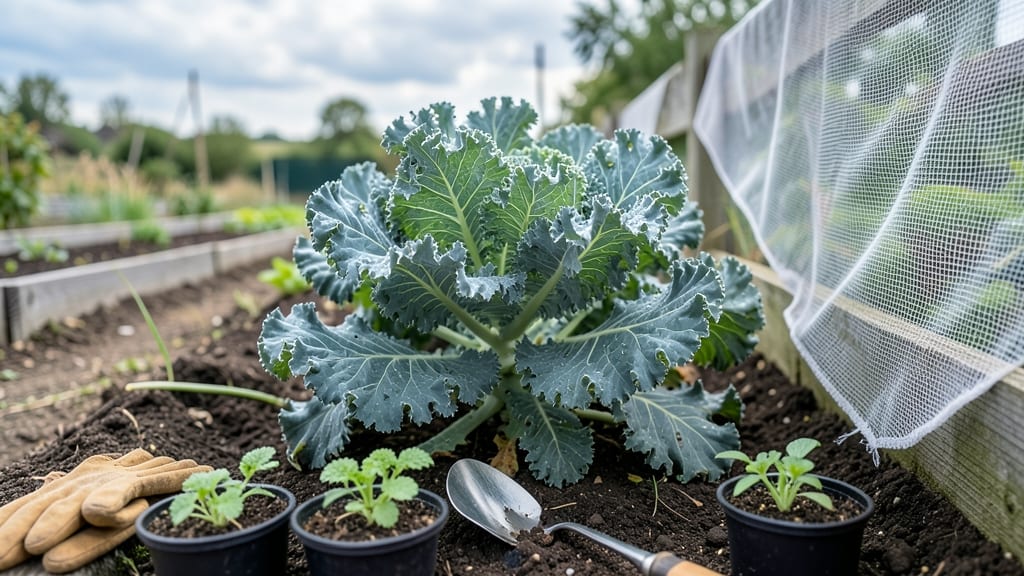
Planting brassicas 🥬 in Wisconsin isn’t just about the calendar—it’s about dodging frost, outsmarting short summers, and knowing exactly when to start seeds or set them in the ground.
Get the timing wrong, and you’ll either lose your crop to early freezes or miss the sweet spot for harvests that last from May through November.
I’ve grown brassicas in Wisconsin’s USDA Zones 4-5 for years, and the difference between a thriving garden and a failed one often comes down to those critical 2-3 week windows when soil warms just enough to avoid stunted growth.
Whether you’re sowing cabbage in March or planning a fall kale harvest, the right move depends on your county—and yes, southern Wisconsin’s microclimates can differ by weeks from the north.
Here’s the game-changer: a frost-date cheat sheet tailored to Wisconsin’s unpredictable weather, so you can plant with confidence. We’ll cover early spring starts, late-summer sowings, and how to adjust for late frosts or heatwaves that can throw off even the best-laid plans.
Ready to stop guessing and start growing? Let’s break down the exact dates—and smart strategies—to maximize your brassica harvests, no matter where you garden in the Badger State.
Wisconsin brassica planting windows by county: frost-date guide
Wisconsin’s diverse frost dates mean your cabbage or broccoli timing in Dane County differs from Bayfield County. Southern regions like Walworth can plant 2-3 weeks earlier than northern areas like Burnett.
Use this guide to align your brassica planting with local last frost dates, ensuring harvests before winter sets in.
Brassicas thrive in cool weather but bolt when temperatures climb above 75°F. For spring crops, aim to plant 4-6 weeks before your county’s average last frost. For fall harvests, sow seeds 80-100 days before the first frost.
Below, we’ve broken down planting windows by county, using USDA Zone 4-5 data and historical records from the Wisconsin State Climatology Office.
Pro Tip: Start seeds indoors for head starts—especially for slow-growing varieties like Brussels sprouts. Transplant seedlings outdoors 2-3 weeks after your county’s last frost date to avoid chilling stress.
For northern counties like Burnett or Bayfield, focus on fast-maturing varieties (e.g., ‘Windsor’ broccoli or ‘Blue Vantage’ kale). These cold-hardy options tolerate shorter growing seasons and earlier frosts. In southern Wisconsin, you can even try two spring plantings: one
How to adjust planting dates for Wisconsin’s unpredictable weather
Wisconsin’s weather can throw off even the most experienced gardener’s timing. A late frost in May or an early snow in October means the difference between a bumper crop of cabbage and kale and a total loss.
I’ve learned the hard way that rigid planting dates don’t work here—flexibility is key. The good news? With a few smart adjustments, you can stretch your growing season and protect your brassicas from Mother Nature’s whims.
One of the best tools in my arsenal is season-extending techniques. Whether it’s using floating row covers to shield seedlings from late frosts or choosing cold-hardy varieties like ‘Winterbor’ kale, these strategies help me play offense instead of defense.
For example, in northern Wisconsin, where frost can linger until mid-May, I often start broccoli indoors in late February to transplant after the last frost. In southern Wisconsin, where summers can be hot, I opt for shade cloth to prevent bolting.
Another game-changer is understanding your microclimate. A garden in Milwaukee might have 10 more frost-free days than one in Eau Claire. Pay attention to local patterns—if your neighbors’ gardens thrive with late plantings, it might be safe for you too.
I always check the National Weather Service’s frost prediction maps and adjust my schedule accordingly. For instance, if the forecast calls for a late frost in early June, I delay planting Brussels sprouts until after June 10.
⚠️ callout-warning
Planting cabbage or broccoli too early in Wisconsin’s USDA Zones 4-5 can mean frost damage, even if your neighbors swear by early sowing. Here’s the critical rule: Wait until soil reaches 40°F+ and use row covers for extra protection. For high-stakes crops like head cabbage, delay planting until after May 15 in northern Wisconsin or after May 1 in the south.
✅ Do: Test soil temp with a soil thermometer before planting.
❌ Don’t: Plant Brussels sprouts before June 1—they’re frost-sensitive even as mature plants.
For fall harvests, timing is just as critical. I always aim to plant kale and collards by mid-August in southern Wisconsin to ensure they mature before the first frost in early October. In northern areas, I push that window to early August.
One trick I’ve picked up is using black plastic mulch to warm the soil faster in spring, which can shave off critical days. I also prioritize fast-maturing varieties like ‘Quick Start’ broccoli, which can go from seed to harvest in just 45 days.
Don’t overlook the power of succession planting. Instead of sowing all your radishes (a brassica relative) at once, I stagger plantings every 2 weeks. This ensures a steady harvest and reduces the risk of losing an entire crop to a single late frost.
For example, I’ll plant a batch of turnips in early May, another in late May, and a final batch in early June. This way, even if one batch fails, I still have others to rely on.
Finally, keep a planting journal to track what works—and what doesn’t—in your specific microclimate. Note the exact dates you plant, any weather anomalies, and how your crops perform. Over time, you’ll spot patterns and refine your strategy.
For instance, I’ve learned that in my garden, cauliflower planted in early July always bolts by September, so I’ve switched to late-July plantings for better results. With these adjustments, you’ll turn Wisconsin’s unpredictable weather into an advantage, not a roadblock.